 Arrest Follows Violent Protests
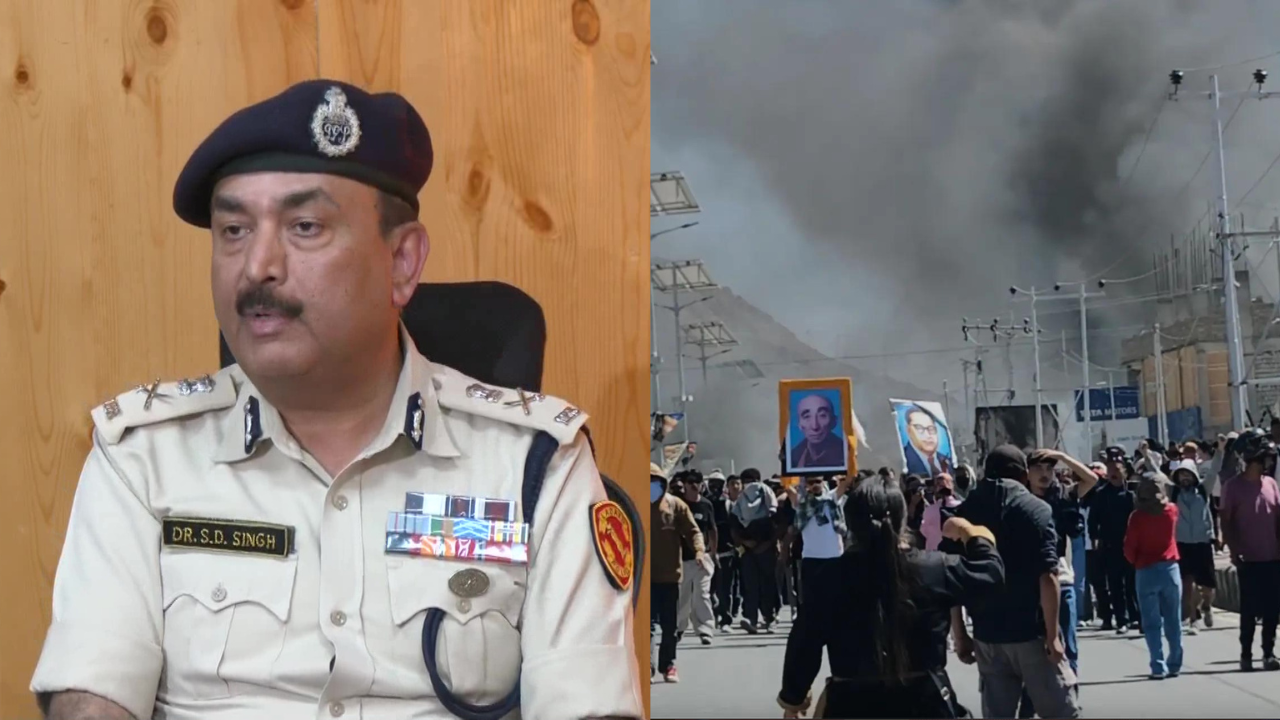
The crackdown came two days after protests demanding statehood for Ladakh and inclusion under the Sixth Schedule turned violent in Leh. Police firing during the clashes left four people dead and more than 80 injured. Authorities alleged that Wangchuk’s speeches and hunger strike escalated the unrest, leading to the torching of government property, including a local BJP office and official vehicles.
“His speech worked as an instigation as he talked about the Arab Spring and unrest in neighboring countries,” the DGP said, adding that investigators were examining his foreign travel and alleged financial transactions.
Probe Into Alleged Pak Links and Funding
The police chief linked Wangchuk’s protests to a recently arrested Pakistani intelligence operative accused of transmitting videos across the border. He also claimed Wangchuk’s NGO activities were under scrutiny for suspected FCRA violations. The Ministry of Home Affairs (MHA) has since cancelled the FCRA license of the Students’ Educational and Cultural Movement of Ladakh (SECMOL), alleging foreign fund transfers from Sweden.
Separately, the Central Bureau of Investigation (CBI) is probing the Himalayan Institute of Alternatives Ladakh (HIAL), founded by Wangchuk, after its land allotment was revoked by the administration.
Administration Defends Transfer to Jodhpur
Officials said keeping Wangchuk in Leh was “not advisable in the larger public interest.” A statement from the Union Territory administration accused him of repeatedly “indulging in activities prejudicial to state security” and claimed his videos and speeches directly incited violence on September 24.
Authorities also extended curfew and mobile internet suspension in Leh for the fourth consecutive day. Police and paramilitary forces have intensified patrolling and launched raids to apprehend those accused of fueling the protests.
Wangchuk Denies Allegations
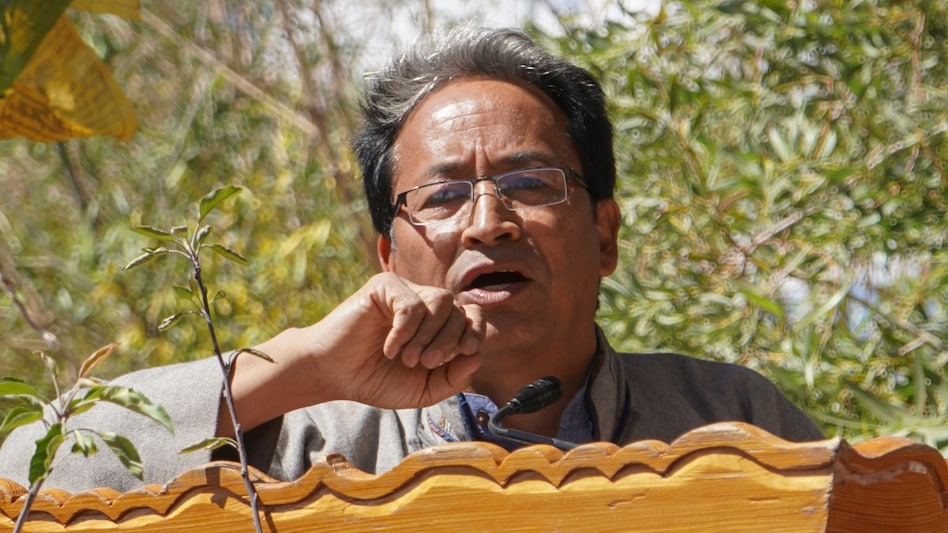
Before his detention, Wangchuk described the crackdown as a “witch hunt” and accused authorities of targeting him for demanding Ladakh’s constitutional safeguards. “This is happening because of our demand for statehood and Sixth Schedule protections. Corporates are eyeing Ladakh’s pastures, and when I spoke out, they came after me,” he said.
Wangchuk ended a 35-day hunger strike earlier this week, but vowed to continue his campaign for Ladakh’s environment and people. His elder brother, Phunsong Wangchuk, insisted the activist had always pursued peaceful methods. “He will treat jail like an ashram. It will give him more time to meditate, read, and write,” he remarked.
Political Reactions
Opposition parties, including the Congress, have slammed the arrest, demanding a judicial probe into the killings during the protests. Leaders argued that silencing Wangchuk will not address Ladakh’s aspirations. Civil society groups have also expressed concern over the use of NSA, which permits detention without trial for up to a year.
The episode has intensified debate over Ladakh’s governance and autonomy, with both local groups and national parties calling for urgent dialogue between the Centre and Ladakhi representatives.