 Dharma as the Core of Indian Unity
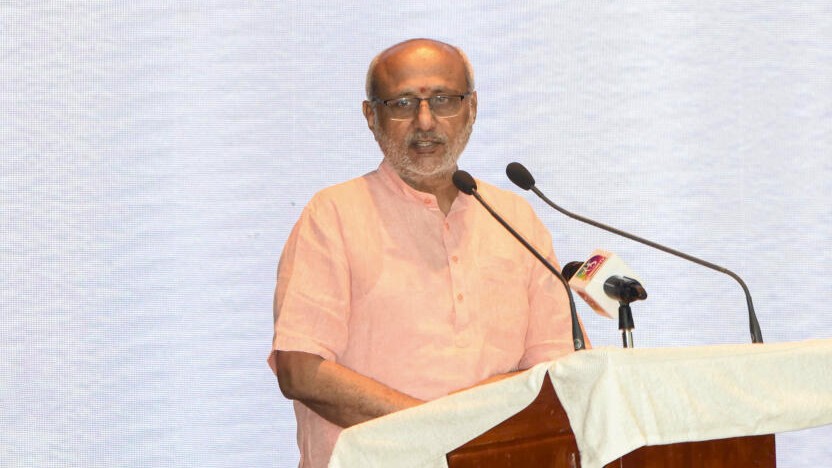
Recounting a discussion with a European dignitary, Radhakrishnan said he was asked how India managed unity despite its vast linguistic diversity. “I told him that while our people speak different languages, they are bound together by the concept of dharma,” the Vice-President noted, stressing that this idea has guided India’s social and political evolution for centuries.
Bihar’s Democratic and Cultural Heritage
The Vice-President cited Bihar’s historical legacy, pointing to the Mauryan Empire and the republican state of the Lichchhavis at Vaishali, which he described as an ancient cradle of democracy. “Democracy may be seen as a Western idea, but Bihar had seen both—the powerful Mauryan empire and the ancient republic at Vaishali,” he said.
He also praised Bihar’s spiritual contributions, referencing Gautam Buddha’s message of compassion, Lord Mahavira’s philosophy of non-violence, and the inspiration they provided to Mahatma Gandhi. He recalled Gandhi’s Champaran Satyagraha and Jayaprakash Narayan’s Sampoorna Kranti, noting his own youthful involvement in the movement in Tamil Nadu.
Cultural Traditions and Call for Dialogue
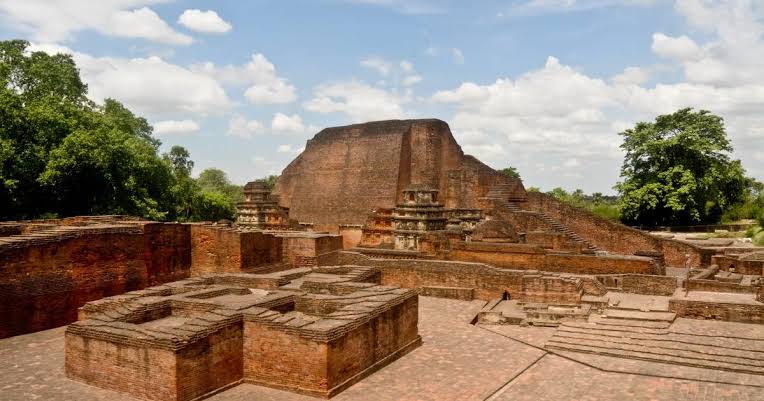
Radhakrishnan lauded Bihar’s folk culture, including Mithila paintings and the Chhath festival, which he described as unique for offering prayers to both the rising and setting sun. He also highlighted Bihar’s ancient educational institutions like Nalanda and Vikramshila, calling Nalanda a “superpower of knowledge” in its time.
Calling for the Unmesh Festival to become a regular event, the Vice-President said such platforms help celebrate India’s cultural richness while fostering intellectual dialogue. Earlier, he paid floral tributes at JP Golambar and was welcomed by Governor Arif Mohammed Khan and Deputy Chief Minister Vijay Kumar Sinha. Other speakers included Union Culture Secretary Vivek Kumar Agrawal, Bihar Tourism Minister Raju Kumar Singh, and Sahitya Akademi chairman Madhav Kaushik.