 Addressing Sugarcane Challenges
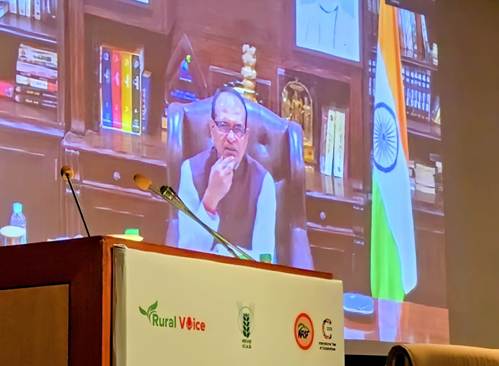
Minister Chouhan highlighted that sugarcane variety 238 offers good sugar content but is susceptible to red rot disease. He stressed the importance of developing alternative varieties and controlling diseases, noting that new crops often bring new challenges. He also pointed out the negative impact of mono-cropping on soil fertility and nitrogen fixation, and suggested exploring intercropping strategies after careful assessment.
Emphasizing sustainability, the Minister highlighted water use concerns and urged adoption of the “per drop, more crop” principle to reduce irrigation requirements. He acknowledged the cost challenges of drip irrigation for farmers and stressed the need to improve mechanization and reduce cultivation expenses.
Boosting Farmer Profits and Bioproducts
Chouhan encouraged the development of new value-added bioproducts from sugarcane, in addition to ethanol and molasses, to enhance farmers’ incomes. He also highlighted the potential of natural farming techniques to reduce fertilizer dependency. Addressing the sugar value chain, the Minister acknowledged farmers’ grievances over delayed payments and urged timely settlements alongside innovations in harvesting mechanization to ease labor shortages.
ICAR’s Research Focus Areas
ICAR Director General and DARE Secretary Dr. M.L. Jat outlined four key areas for sugarcane research: defining research priorities, identifying development challenges, addressing industry issues, and recommending supportive policies. He emphasized the need for efficient water and fertilizer usage, citing successful micro-irrigation practices in Maharashtra.
Dr. Jat also advocated for crop diversification by integrating pulses and oilseeds with sugarcane to improve productivity, farmers’ income, and environmental sustainability.
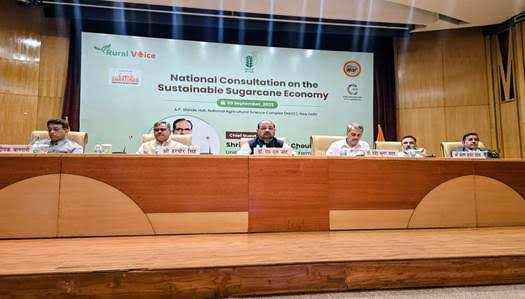
Dr. Devendra Kumar Yadav, Deputy Director General of Crop Science at ICAR, explained that although variety 238 initially encouraged monocropping, alternatives require time and rigorous testing over three years for disease resistance, insect tolerance, and yield performance. He assured that the seminar’s recommendations will inform practical solutions for farmers. Dr. Rajbir Singh, DDG Extension at ICAR, chaired one of the seminar sessions.
Way Forward
Minister Chouhan reiterated that ICAR’s sugarcane research must focus on actionable outcomes that benefit both farmers and the sugar industry. He emphasized that research that does not support farmers is meaningless, highlighting the government’s commitment to enhancing production, mechanization, and profitability across the sugarcane sector.