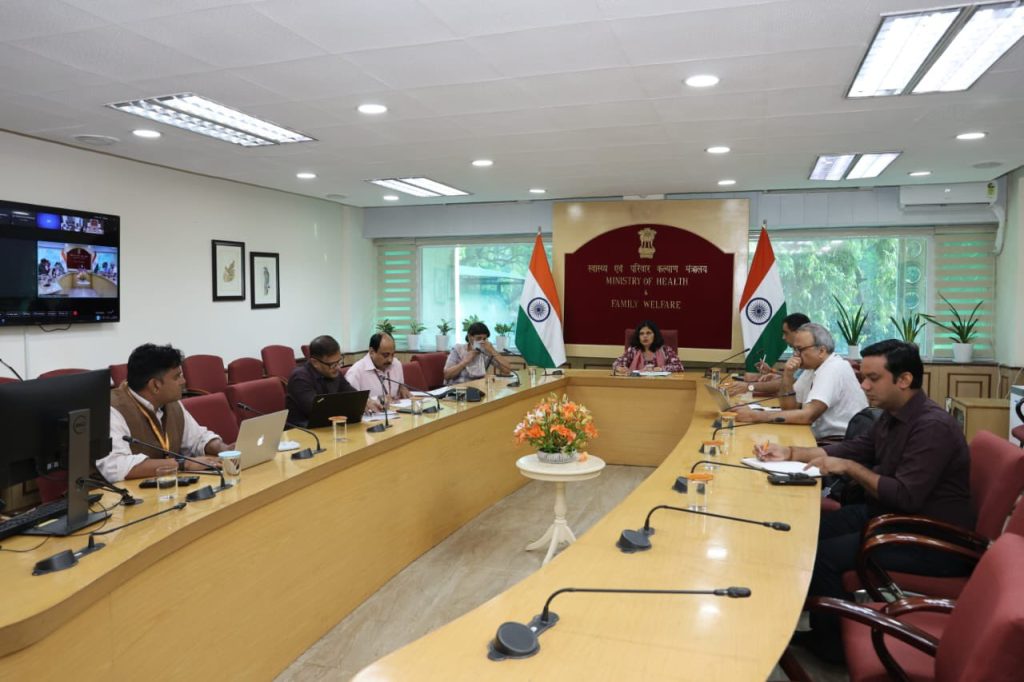
Union Health Secretary Reviews Cough Syrup Safety in India
 High-Level Participation and Agenda
The meeting included senior officials such as Shri Amit Agarwal (Department of Pharmaceuticals), Dr. Rajiv Bahl (DG, ICMR), Dr. Sunita Sharma (DGHS), Dr. Rajeev Raghuvanshi (DCGI), Dr. Ranjan Das (NCDC), and top health authorities from all States and Union Territories.
Three key agenda points were addressed: compliance with Schedule M and other G.S.R. drug quality norms, rational use of pediatric cough syrups, and strengthening retail pharmacy regulation to prevent misuse of formulations.
Triggering Events: Chhindwara Incident
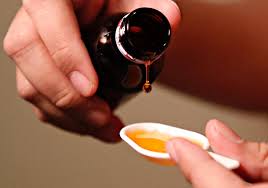
The meeting followed reports of child deaths in Chhindwara, Madhya Pradesh, linked to contaminated cough syrups. A Central team from NCDC, NIV, and CDSCO, in coordination with state authorities, conducted detailed investigations, collecting clinical, environmental, entomological, and drug samples for laboratory testing. Preliminary findings ruled out common infectious diseases except one positive case of leptospirosis. Chemical analysis revealed that 9 out of 10 sampled syrups met quality standards, while one sample, Coldrif, exceeded permissible limits for diethylene glycol (DEG). Regulatory action against the Kancheepuram-based manufacturing unit has been initiated, including license cancellation and criminal proceedings.
Emphasis on Compliance and Safety
Union Health Secretary Smt. Srivastava stressed strict adherence to Revised Schedule M for Good Manufacturing Practices (GMP) by all drug manufacturers. States were urged to promote rational use of cough syrups, particularly in children, as most coughs are self-limiting and do not require pharmacological treatment. DGHS advisories for pediatric cough syrup use were also highlighted for implementation across States and UTs.
Risk-Based Inspections have been initiated across 19 manufacturing units in six states to identify systemic gaps and strengthen quality assurance mechanisms.
Expert Guidance and Recommendations
Dr. Rajiv Bahl emphasized that children should not be prescribed cough syrups or combination drugs unnecessarily and noted that the National Joint Outbreak Response Team provides coordinated support to states. Dr. Sunita Sharma reinforced the minimal benefits and potential risks of pediatric cough medications, advocating for guidelines for parents, pharmacists, and doctors. Dr. Rajeev Raghuvanshi reiterated strict GMP compliance and informed that several units have availed of the Revamped Pharmaceuticals Technology Upgradation Assistance Scheme (RPTUAS) for GMP improvements.
State-Level Actions and Surveillance
States shared their ongoing efforts to strengthen drug quality control, reporting, and rational use of pediatric formulations. Rajasthan reported that the four deaths in their state were unrelated to drug quality and are conducting awareness campaigns. Maharashtra confirmed that children admitted in Nagpur hospitals are receiving optimal care.
States and UTs were advised to ensure timely reporting through IDSP-IHIP, wider dissemination of the community reporting tool, and enhanced inter-state coordination for early detection and joint action against unusual health events.
Commitment to Public Health
The Union Health Ministry reaffirmed its commitment to drug quality and patient safety, directing States and UTs to take swift, coordinated action to prevent recurrence of such incidents. The meeting highlighted the importance of rational prescribing practices, regulatory oversight, and proactive public health surveillance in safeguarding child health.