 Focus on Infrastructure and Innovation
Highlighting the institute’s commitment to excellence, Minister Margherita said, “It is this very culture of innovation and creativity that NIFT Mumbai and NIFT Daman cultivate every day. With state-of-the-art infrastructure, skilled faculty, and a vibrant student community, both campuses stand tall as some of the most respected design institutions in the country.”
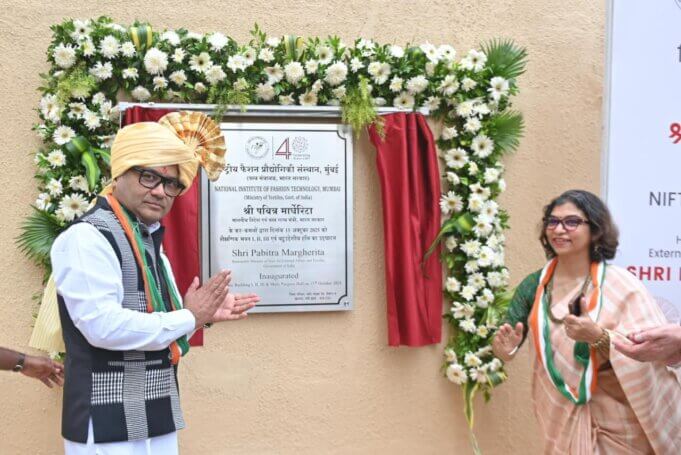
He toured the campus, unveiling the commemorative plaque and interacting with students showcasing technical textile projects and creative design collections. The event underscored the government’s focus on developing globally competitive talent in the textile and fashion industry.
Margherita added that initiatives like the PM MITRA Parks and the National Technical Textiles Mission reflect India’s growing strength in sustainable and innovative textile production. “Through landmark initiatives and a strong focus on sustainability, India is fast emerging as a global leader in textiles and fashion,” he emphasized.
Convocation 2025: Honouring 341 Graduates
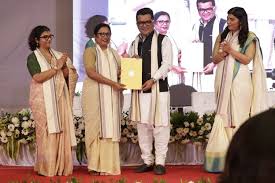
The Convocation 2025 ceremony conferred degrees upon 312 students from NIFT Mumbai and 29 from NIFT Daman. Graduates were recognized for their creativity and academic achievements, with awards including the Extraordinary Service Award, Best Academic Award, Meritorious Student Award, Most Innovative and Creative Design Collection Award, and Best Graduation Project Award.
Associate Professors Susmita Das from NIFT Mumbai and Amisha Mehta from NIFT Gandhinagar were conferred PhD degrees for their outstanding research contributions in design education and textile studies.
The ceremony was graced by key dignitaries including Director General, NIFT, Tanu Kashyap (IAS); Director, NIFT Mumbai, Khushal Jangid; Director, NIFT Daman, Brijesh Deore; CAC-NIFT Daman, Vidhushekhar P.; and NIFT alumna and CEO of Cover Story Clothing Ltd., Manjula Tiwari.
Empowering the Future of Sustainable Fashion
Addressing the gathering, the Minister highlighted the evolving dynamics of global fashion. “The world of fashion is shifting from commercial success to conscious creation,” he said, stressing the importance of sustainability, ethical fashion, and zero-waste design practices. He encouraged students to rediscover India’s textile heritage—from handloom weaving to natural dyeing—and integrate traditional artistry with modern sensibilities.
With the expansion of its facilities, NIFT Mumbai is poised to further strengthen its role in producing next-generation designers and entrepreneurs who can drive India’s vision of a sustainable, innovation-led textile sector.
The event marked a defining step in aligning India’s fashion education infrastructure with global standards, reinforcing NIFT’s reputation as a leader in creativity, research, and responsible design.