 The AI Clip and Its Message
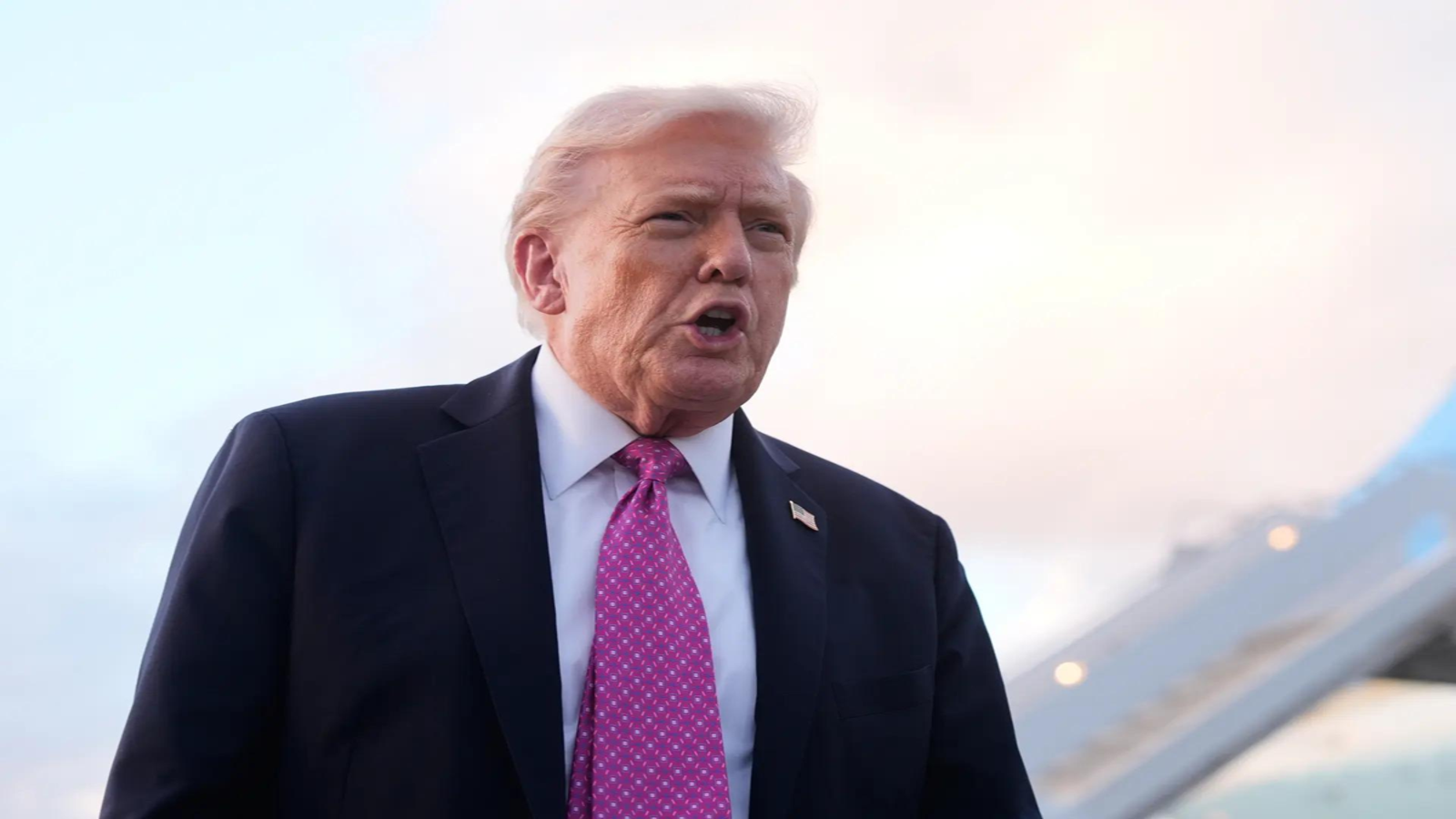
The controversial 19-second video shows Trump wearing a golden crown and piloting a jet emblazoned with the words “King Trump.” In the video, the aircraft flies over what appears to be New York’s Times Square, releasing mud and debris onto protesters below. Among the caricatured figures in the crowd is Democratic influencer Harry Sisson, portrayed being hit by Trump’s jet attack.
Though clearly AI-generated, critics argue the video sends a dangerous authoritarian message amid heightened political divisions. The White House later posted a still from the video on X (formerly Twitter), showing Trump in the Emperor’s crown, further fueling online outrage.
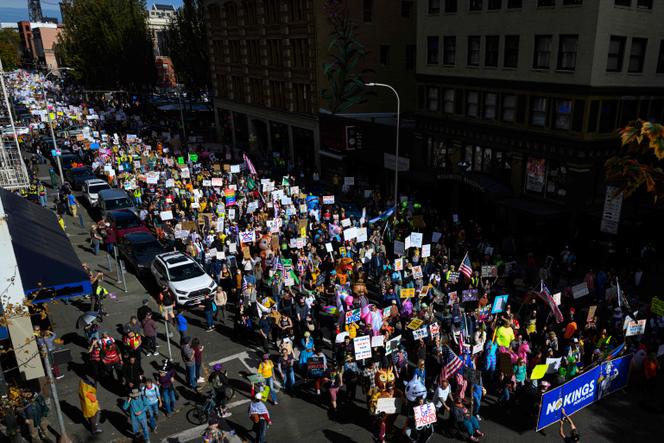
‘No Kings’ Protests Sweep Across the US
The response was swift. Tens of thousands of Americans took to the streets in major cities including New York, Washington D.C., Boston, Chicago, Los Angeles, and Atlanta. Protesters carried placards reading “End the ICE Age,” “Orange Lies Matter,” and “Nothing is More Patriotic Than Protesting.”
Despite the intensity, the demonstrations remained largely peaceful, with music, inflatable characters, and performance art lending a festive air. Protesters spanned generations, from young college activists to elderly veterans, united under the message that democracy “belongs to the people, not kings.”
White House Reaction and Political Fallout
While the White House has not issued an official apology, officials described the AI clip as “humorous political satire.” However, opposition leaders, civil rights groups, and digital ethics experts have condemned its tone and timing. “At a time of polarization, weaponizing AI for personal glorification is deeply irresponsible,” said policy analyst Brookings Institution fellow Maria Sandoval.
Republican allies, meanwhile, defended Trump, claiming the outrage was overblown. “It’s art. It’s entertainment. It’s his way of mocking the media hysteria,” said Senator Ted Cruz.
Digital Ethics and Free Speech Concerns
The controversy has reignited debate over the ethical use of AI in politics. Experts warn that realistic synthetic media could mislead voters or inflame tensions ahead of the 2026 midterm elections. The White House Office of Science and Technology Policy has already drafted guidelines for labeling AI-generated content, but enforcement remains inconsistent.
“When the president himself promotes such material, it normalizes misinformation,” said Dr. Ravi Patel, a digital communications scholar at Stanford University. “The lines between humor, propaganda, and manipulation blur dangerously.”
A Country Divided Yet Defiant
For many Americans, the “No Kings” rallies symbolize both frustration and resilience. Protesters vow to continue their movement through the winter, demanding accountability, free speech protection, and a reaffirmation of democratic principles. As the nation grapples with a government shutdown and deep partisan rifts, the debate over Trump’s AI stunt has become a defining test of political discourse in the AI era.
For now, one thing is clear — the ‘King Trump’ video may have been intended as satire, but it has struck a nerve in a country already divided between power and protest.