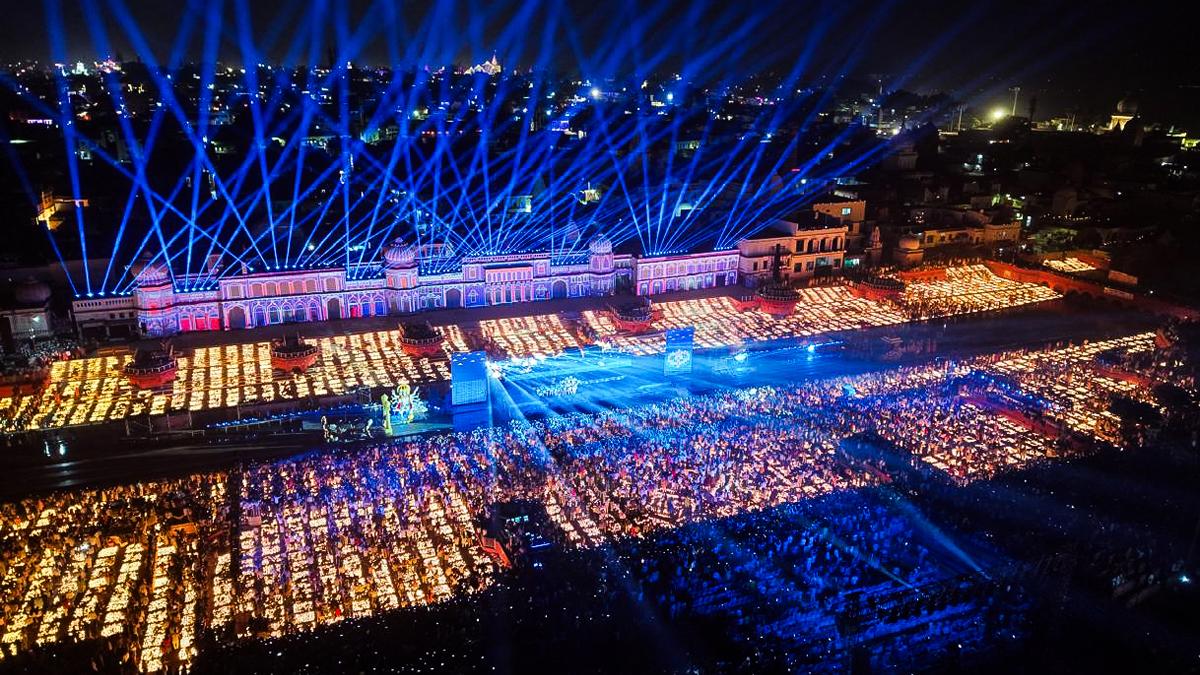
Ayodhya transformed into a golden panorama on the evening of Deepotsav 2025 as volunteers and devotees lit an official total of 26,17,215 earthen lamps along the banks of the sacred Saryu river, earning the city two Guinness World Records and global attention.
 Record-setting spectacle on Ram Ki Paidi
The ninth edition of Deepotsav saw diyas placed across 56 ghats, including the iconic Ram Ki Paudi. Organisers coordinated tens of thousands of volunteers to place and light lamps in carefully measured zones so that an independent verification — including drone footage — could authenticate the count. The event was certified as a Guinness World Record for the largest oil-lamp display.
Mass aarti and cultural programming
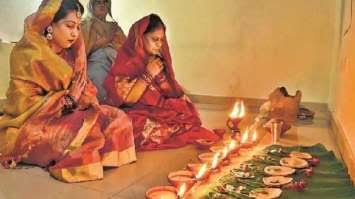
Alongside the sea of lamps, a simultaneous Saryu aarti involving 2,128 priests and devotees was organised and verified as a separate Guinness World Record, according to organisers and media reports. The aarti, accompanied by bhajans, Vedic chants and processions, added a solemn cadence to the visual spectacle.
Technology, volunteers and choreography
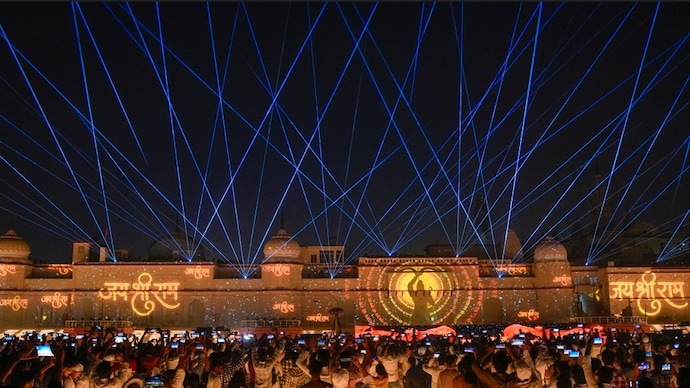
Event logistics combined traditional ritual with modern verification methods. Drone teams recorded systematic footage to support the lamp count and the coordinated aarti; stewards and local administration mapped ghats into sectors for counting and certification. The Deepotsav programme also featured Ramayana-themed tableaux, music performances, and a drone-light show that recreated scenes from the epic.
Voices from the celebration
Officials described the evening as a demonstration of faith, unity and cultural revival. The Uttar Pradesh government framed Deepotsav as both spiritual commemorative ritual and a cultural tourism highlight, drawing pilgrims from across India and abroad. Local priests and participants said they felt humbled to be part of a record-certified devotion that also spotlighted Ayodhya’s festivals on the world stage.
Impact and significance
Beyond the immediate spectacle, organisers say Deepotsav bolsters Ayodhya’s identity as a pilgrimage and cultural hub. Authorities noted increased footfall, publicity for regional artisans who make earthen lamps, and amplified interest in riverfront conservation and crowd management ahead of such mass events. Observers say the visually striking event highlights how ritual, public policy and tourism intersect in contemporary religious festivals.
Where to read more
Official details and government statements can be found on the Press Information Bureau and other national outlets. For on-the-ground coverage and images, see reports by national news media.