 Handlooms and Pashmina Industry
Pashmina wool, a prized product of the Changthang region, supports over 10,000 nomadic herders. With GST cut from 12% to 5%, authentic Ladakhi Pashmina becomes more competitive against imports, helping artisans increase earnings and expand market reach. Similarly, handwoven woollens, Namda rugs, and woollen accessories see cost reductions that benefit local weavers and seasonal cottage industries.
Traditional Handicrafts and Carpentry
Ladakhi carpentry and Thangka paintings, produced in Leh, Alchi, and Hemis, are vital cultural expressions. The 5% GST will make these products more affordable and market-competitive, preserving traditional skills and supporting craftsmen from marginalized communities.
Boosting Local Tourism and Homestays
Tourism and homestays across Leh, Nubra, Pangong, and Kargil employ over 25,000 people. GST reduction on hotel tariffs up to ₹7,500 per night will make travel more affordable, fostering eco-tourism and sustaining livelihoods in the region’s hospitality sector.
Dairy and Agricultural Products
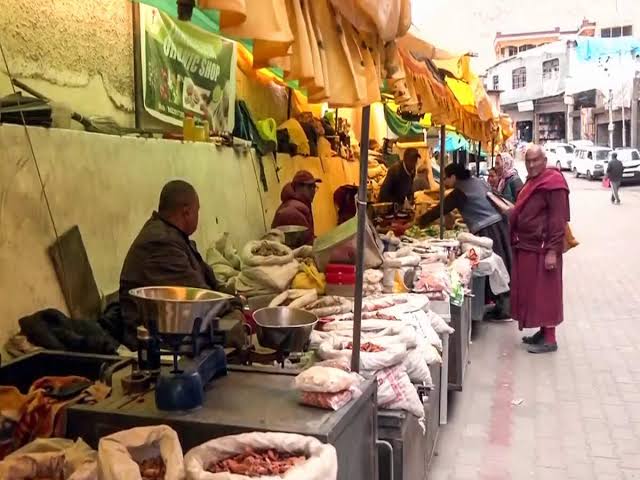
Ladakh is India’s largest apricot producer, engaging over 6,000 farming families. Reduced GST improves the marketability of apricots and value-added products like dried apricots, jams, and oils. Sea buckthorn berries, yak cheese, and milk products also benefit from lower taxes, supporting women-led SHGs and nomadic communities.
Organic farming in Sham Valley and Kargil gains momentum as GST cuts lower production costs for herbal teas, dried vegetables, and other eco-friendly products. The reforms encourage sustainable practices while increasing farmer incomes.
Conclusion
These GST reforms mark a transformative step for Ladakh’s economy. By supporting artisans, farmers, and local tourism operators, the measures strengthen cultural preservation, promote eco-friendly industries, and make local products more competitive in both domestic and global markets.