 CJI Gavai to Retire on November 24
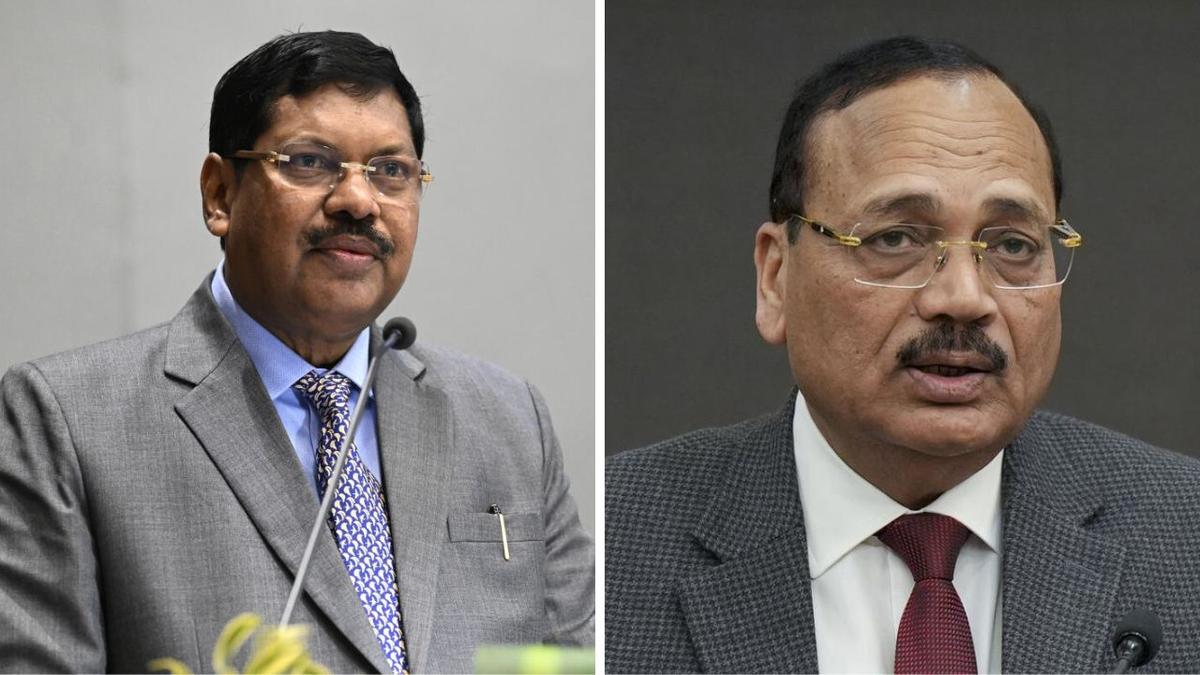
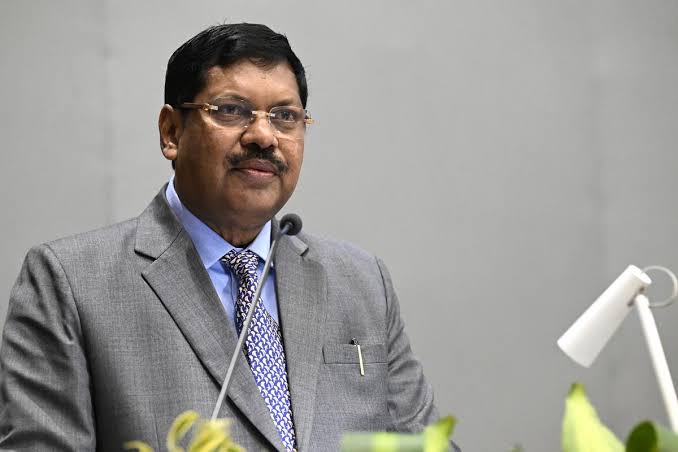
Chief Justice Gavai, who took office on May 24, 2024, is set to retire on November 24, 2025. The government’s letter to him marks the beginning of the procedural timeline under the Memorandum of Procedure (MoP) governing the appointment of the Chief Justice of India and judges of the Supreme Court.
As per convention, the Law Ministry sends a formal communication to the outgoing CJI about a month before retirement, seeking his recommendation for the next Chief Justice. The process ensures a smooth transition at the apex of the judiciary.
Justice Surya Kant: The Likely Successor
Justice Surya Kant, who is next in line by seniority, is widely expected to take over as the 53rd Chief Justice of India. Born on February 10, 1962, in Hisar, Haryana, Justice Kant completed his law degree from Maharishi Dayanand University, Rohtak, in 1984. He began his legal career at the Hisar District Court before moving to Chandigarh in 1985 to practice in the Punjab and Haryana High Court.
Over the years, he built a strong reputation in constitutional, service, and civil matters, representing various universities, boards, corporations, and banks. His legal acumen led to his appointment as the youngest Advocate General of Haryana on July 7, 2000. He was designated as a senior advocate in March 2001.
Judicial Journey and Key Appointments
Justice Kant was elevated as a judge of the Punjab and Haryana High Court on January 9, 2004. Later, he served as the Chief Justice of the Himachal Pradesh High Court from October 2018 to May 2019. On May 24, 2019, he was appointed as a judge of the Supreme Court of India, where he has since delivered significant judgments in constitutional and administrative law.
He is due to retire on February 9, 2027, giving him a tenure of over a year as the Chief Justice if appointed. Known for his clarity in judicial reasoning and commitment to public service, Justice Kant’s elevation would continue the convention of seniority-based appointments.
Transition in the Supreme Court
The Chief Justice of India plays a pivotal role not only in leading the Supreme Court but also in the administration of the entire Indian judiciary. The CJI oversees the functioning of the Supreme Court benches, allocates cases, and heads the collegium system responsible for judicial appointments.
Justice Gavai’s tenure has been marked by efforts to improve court efficiency and push for technology-driven reforms in the judicial system. His successor will inherit ongoing challenges, including reducing case backlogs and strengthening digital court infrastructure.
Next Steps in the Appointment Process
Once the Chief Justice submits his recommendation, the government forwards the name to the Prime Minister, who then advises the President to make the formal appointment. Traditionally, this process concludes before the incumbent retires, ensuring seamless continuity in the Supreme Court’s leadership.
CJI Gavai is currently on a four-day official visit to Bhutan and is expected to send his recommendation upon his return to India. The official announcement of the next Chief Justice is likely to follow soon after.
Understanding the Memorandum of Procedure
The Memorandum of Procedure (MoP) outlines the steps for appointing judges to the higher judiciary. It mandates that the senior-most Supreme Court judge, found fit to hold the office, should be appointed as the Chief Justice of India. This convention, followed since 1950, ensures stability, continuity, and institutional integrity in the judiciary’s leadership transition.