 Boosting Capital and Investor Confidence
The policy, once finalized, could open the door for significant foreign investments into India’s 12 public sector banks, which collectively hold assets worth over ₹171 trillion as of March 2025. The government is expected to retain at least a 51% majority stake to maintain control while offering up to 49% to overseas investors.
“The objective is to strengthen the capital base of state-run banks and attract long-term global investors,” a source told Reuters. The move comes at a time when foreign interest in Indian banking is surging, highlighted by Emirates NBD’s $3 billion investment in RBL Bank and Japan’s Sumitomo Mitsui Banking Corp acquiring a 24.99% stake in Yes Bank.
Positive Market Reaction
The report of a potential FDI hike sent the Nifty PSU Bank Index soaring by over 3% to a record high of 8,053 points before closing 2.2% higher. Analysts say the decision, once implemented, could improve valuations and liquidity across the sector.
“This reform will help public sector banks compete more efficiently with private lenders and meet the growing credit demand,” said a Mumbai-based banking analyst. India’s economy has averaged nearly 8% annual growth over the past three fiscal years, driving an unprecedented appetite for credit expansion.
Safeguards and Governance Measures
While opening the sector to foreign capital, the government intends to retain strict safeguards. The cap on voting rights for a single shareholder is expected to remain at 10%, preventing any single foreign entity from gaining controlling influence.
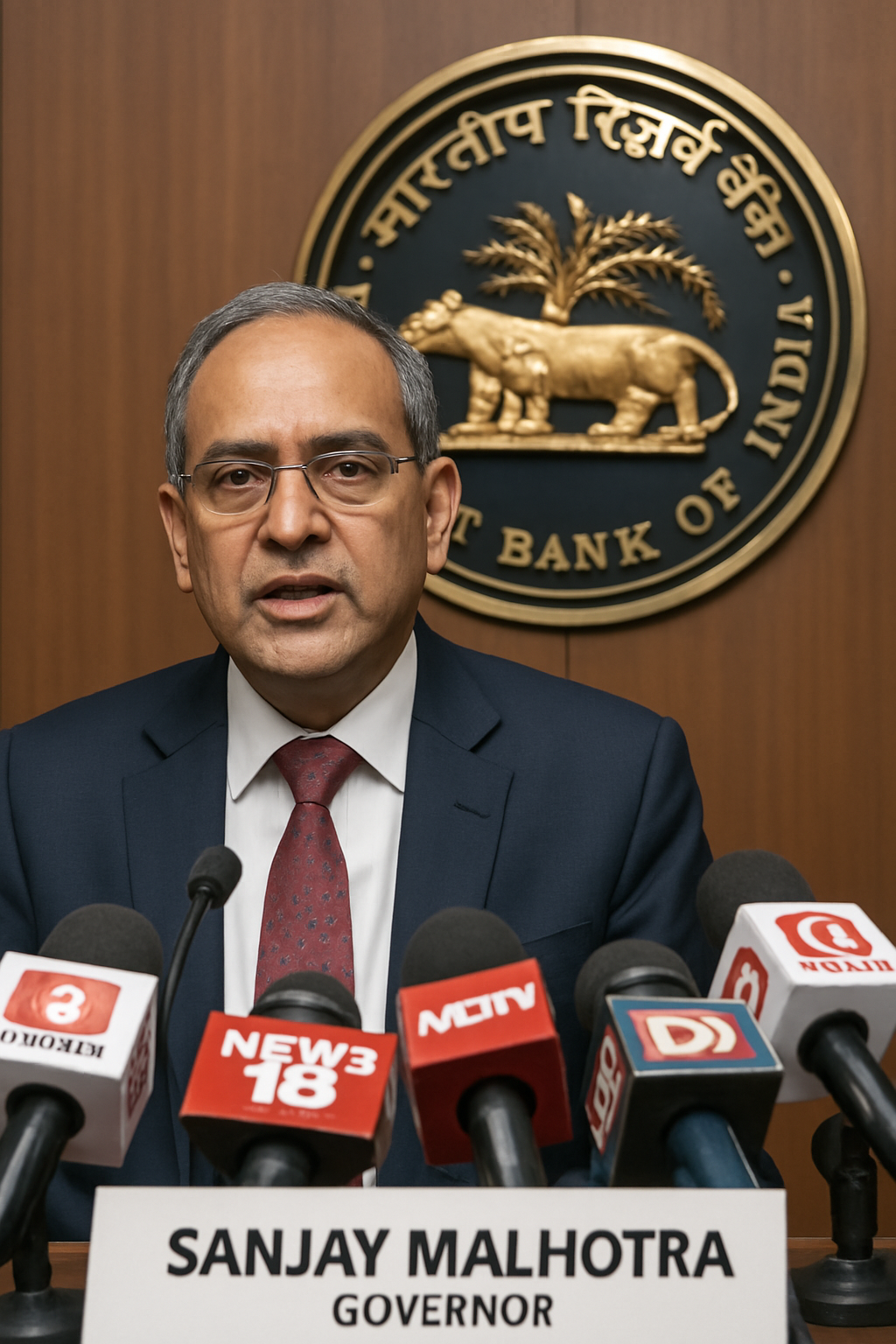
The RBI, in parallel, has eased several norms for banking operations and foreign ownership, signaling its comfort with deeper international participation while prioritizing financial stability. These steps are consistent with India’s broader economic liberalization efforts to position itself as a global investment hub.
Public Sector Banks: Strength and Challenges
India currently has 12 public sector banks, including major players such as State Bank of India (SBI), Punjab National Bank (PNB), and Bank of Baroda. While these institutions dominate 55% of the country’s banking market, they often face profitability challenges due to social obligations and higher non-performing assets (NPAs).
Foreign investment in these banks currently ranges from about 12% in Canara Bank to near zero in UCO Bank. Increasing the cap would provide these lenders a much-needed infusion of capital for modernization, digital transformation, and credit expansion.
A Step Toward Banking Reform
Experts see the proposal as a continuation of the government’s broader agenda to reform India’s financial ecosystem. The plan to raise FDI limits aligns with recent efforts to merge, recapitalize, and streamline public sector banks for better governance and operational efficiency.
With India emerging as one of the world’s fastest-growing major economies, global investors are expected to view this policy change as a landmark opportunity. If approved, it could mark one of the most significant liberalizations in India’s banking history since the economic reforms of 1991.