 First Attempt in 53 Years
According to the Indian Institute of Tropical Meteorology, Delhi’s previous cloud seeding attempts took place in 1957 and 1972 to mitigate drought. The latest operation marks the first indigenous effort to combat air pollution using this technology.
“The moisture content in the clouds was too low,” said IIT Kanpur Director Prof. Manindra Agarwal. “One measure of success is rainfall, which didn’t happen this time. Still, our sensors recorded a small but measurable reduction in particulate matter, showing partial success even under unfavorable conditions.”
The city’s Environment Minister Manjinder Sirsa confirmed that another trial would be conducted once atmospheric humidity improves in the coming weeks.
Smog Levels Remain Alarming
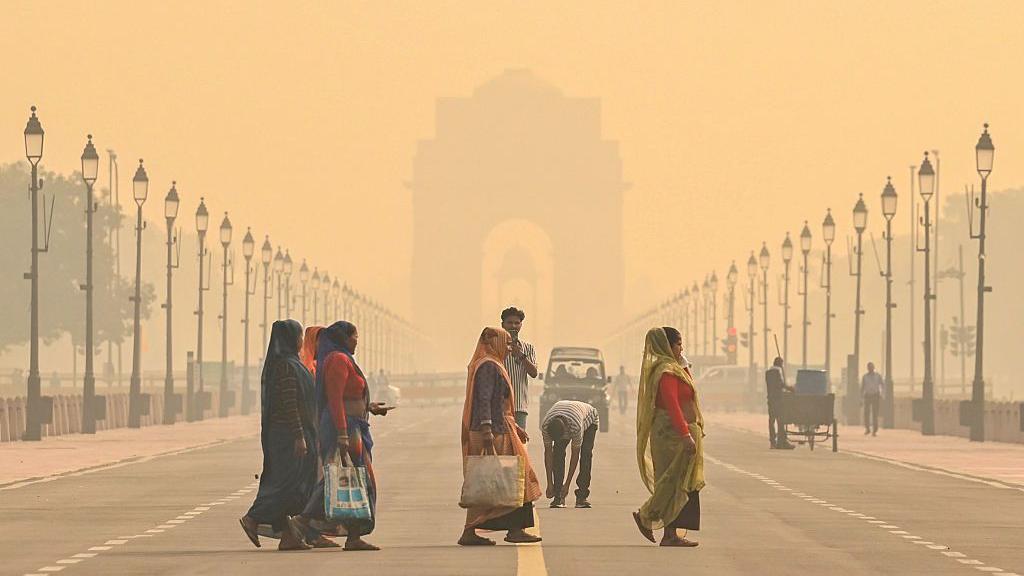
Delhi’s Air Quality Index (AQI) has been fluctuating between 300 and 400—nearly 20 times the World Health Organization’s safe limit. The dense smog, caused by crop residue burning, vehicular emissions, and stagnant winds, has triggered widespread health concerns across the National Capital Region (NCR).
Authorities have also deployed smog guns and water sprinklers to control dust, while schools remain under advisories to minimize outdoor activity for children.
Experts Question Long-Term Impact
While IIT Kanpur’s initial findings suggest cloud seeding might slightly improve air quality, experts argue it cannot serve as a long-term solution. “It’s an expensive and unpredictable intervention,” said climate expert Abinash Mohanty. “You’re trying to manipulate natural processes, and that brings several limitations.”
Globally, cloud seeding results have been mixed. China claimed success during the 2008 Beijing Olympics, while similar efforts in the United Arab Emirates led to unintended flooding in 2024.
Understanding Cloud Seeding
Cloud seeding accelerates condensation by introducing artificial nuclei that help water vapor form ice crystals. These then attract more moisture and eventually fall as rain. However, without sufficient humidity, the process cannot generate precipitation effectively.
Scientists emphasize that the technique requires precise weather conditions and advanced forecasting tools. “It’s not a magic wand,” Prof. Agarwal added. “Our focus remains on combining science with sustainable policy measures to improve Delhi’s air quality.”
Next Steps for Delhi
The Delhi government plans to continue coordination with IIT Kanpur and the India Meteorological Department (IMD) to schedule the next trial once atmospheric conditions become favorable. Officials are also exploring stricter emission control and waste management measures ahead of the winter pollution peak.