 Rate Cut Aimed at Supporting Slowing Economy
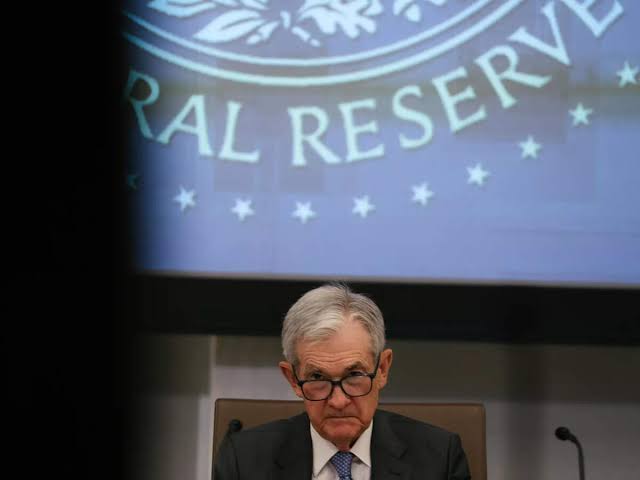
The Federal Open Market Committee (FOMC) voted 10-2 in favor of the rate cut, reflecting growing concerns about the US economy’s slowdown. The Fed said the decision aims to “sustain economic expansion” while managing inflation pressures that have been trending toward the central bank’s 2% target.
In addition to the rate cut, the Fed announced it would end its balance sheet reduction program known as quantitative tightening on December 1, 2025. The move marks a significant policy shift, indicating the central bank’s desire to maintain sufficient liquidity in financial markets.
Powell Warns Against Assuming Continued Easing
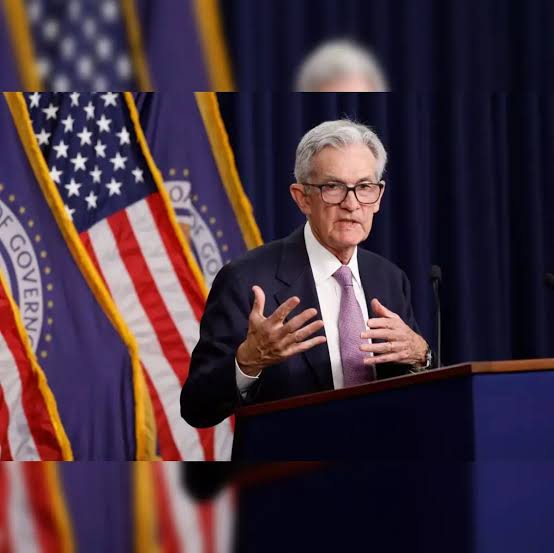
During the post-meeting press conference, Powell emphasized that future rate cuts are “not a foregone conclusion.” He noted that while inflation is moderating, the Fed remains concerned about the labor market’s downside risks and potential instability in global markets.
“We will continue to make decisions meeting by meeting,” Powell said. “Our focus remains on achieving a balance between price stability and maximum employment.”
Labor Market, Inflation Still Central to Policy Path
The Fed’s policy statement highlighted concerns over employment, noting that “downside risks to employment have risen in recent months.” Job growth has slowed in several key sectors, and wage inflation appears to be easing, providing room for the central bank to lower rates without reigniting price pressures.
Meanwhile, inflation has gradually cooled from last year’s highs, with core inflation measures hovering just above 2.5%. Analysts believe this could give the Fed room to pause in December to assess the full impact of its recent moves.
Market Reaction: Optimism Fades After Powell’s Remarks
US equity markets initially rallied after the announcement but reversed gains following Powell’s comments. The Dow Jones Industrial Average fell by over 150 points, while the Nasdaq and S&P 500 also turned negative by the close of trading.
“Powell’s message was clear the Fed is not committing to a rate-cutting cycle,” said an analyst from Goldman Sachs. “Markets were expecting a dovish signal, but the chair’s caution suggests the central bank wants to avoid overstimulating demand.”
Quantitative Tightening Ends December 1
The central bank’s decision to halt quantitative tightening means it will stop shrinking its $7 trillion balance sheet, which had been reduced gradually since 2022. This change is expected to provide greater liquidity to financial institutions and stabilize bond markets after months of volatility.
Experts believe the Fed’s policy recalibration could help prevent a credit squeeze, particularly as the holiday spending season approaches. However, Powell reiterated that the Fed remains data-dependent and will adjust its stance if inflation reaccelerates.
What It Means for Borrowers and Businesses
The new rate range of 3.75%–4% will influence borrowing costs across the economy. Consumers may see modest relief in credit card rates, auto loans, and mortgages, though banks may take time to adjust lending terms. Businesses facing high debt servicing costs could benefit from the easing, albeit temporarily.
Financial experts advise borrowers to remain cautious, as uncertainty over future rate moves could impact lending rates and market returns through the end of the year.
Global Implications
The Fed’s policy shift will likely influence central banks worldwide, especially those in emerging markets. With the US easing monetary policy, currencies like the Indian rupee and Japanese yen may experience short-term strengthening due to capital inflows.