What Exactly Is a Stroke?
A stroke happens when blood flow to a part of the brain is interrupted or significantly reduced. Without oxygen and nutrients, brain cells begin to die within minutes, leading to potential long-term disability or even death. While older adults were once the most affected, doctors now warn that strokes are increasingly seen among younger individuals due to unhealthy lifestyles, poor diets, and lack of exercise.
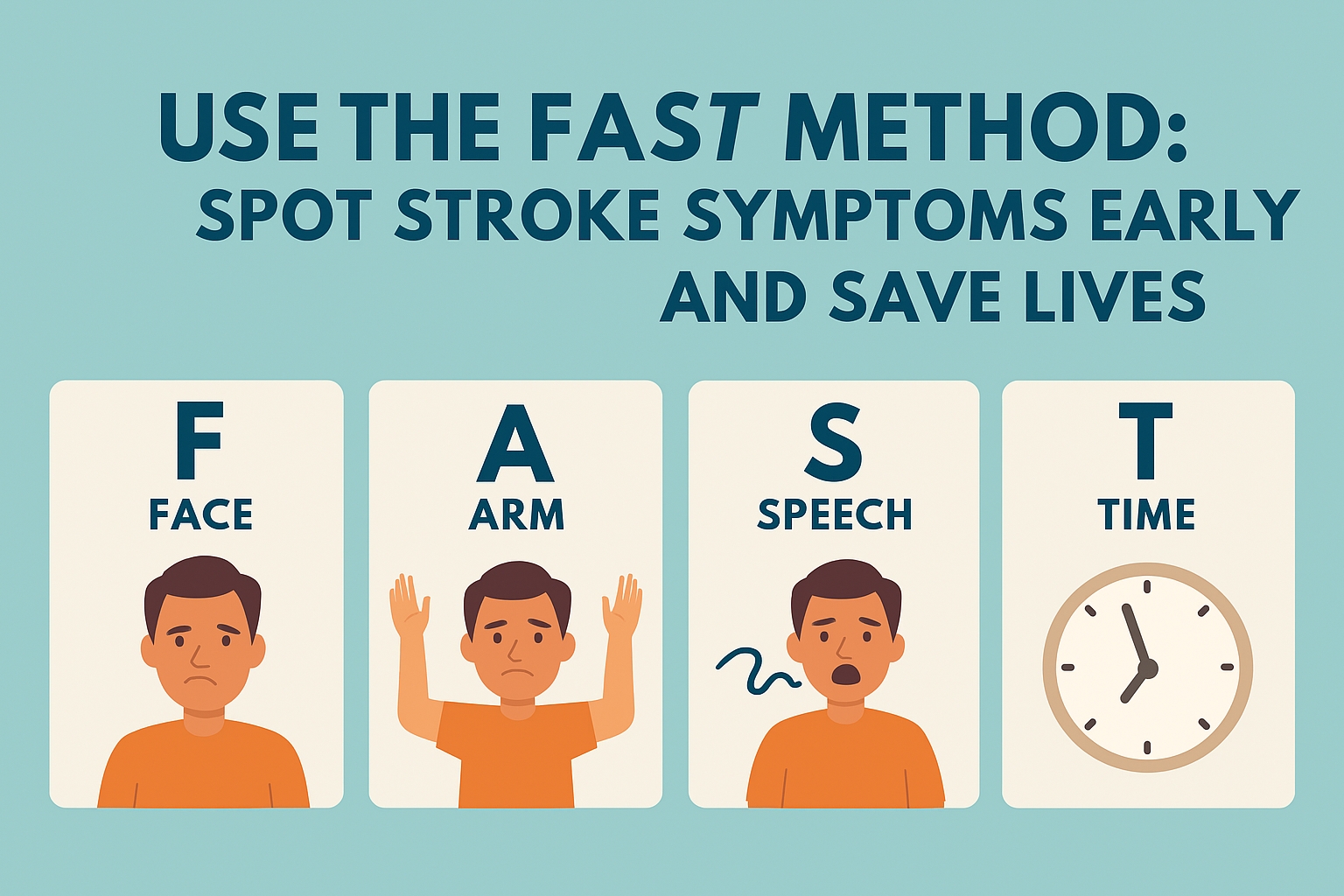
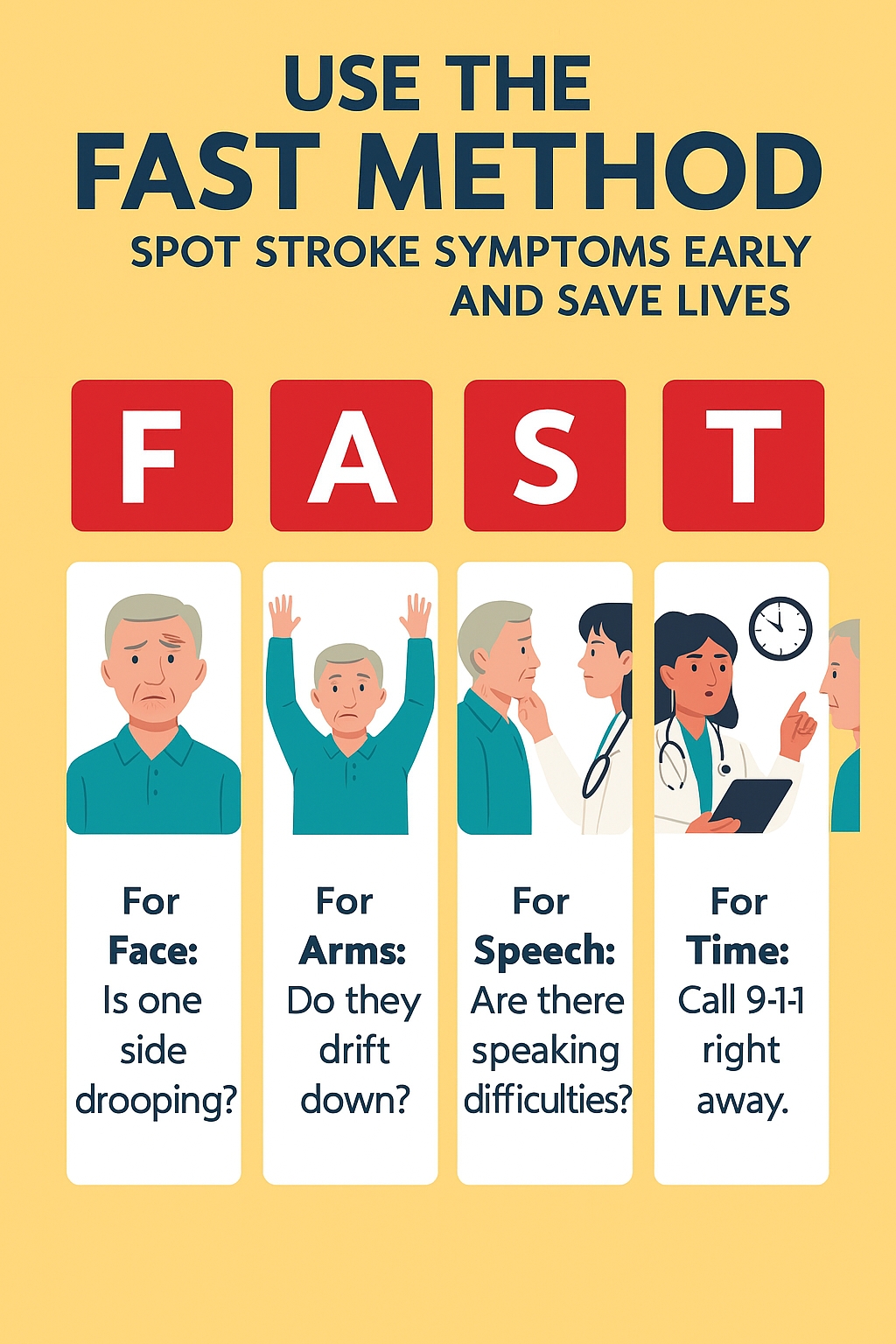
Dr. Santosh Sontakke, a neurologist at Ruby Hall Clinic in Pune, explains: “The FAST method Face drooping, Arm weakness, Speech difficulty, and Time is an easy way to remember how to recognize and react to a stroke. The faster you respond, the higher the chances of recovery.”
 Understanding the F.A.S.T. Method
1. Face Drooping (F)
One of the earliest signs of stroke is drooping or numbness on one side of the face. Ask the person to smile if one side appears uneven or slack, this could be a red flag. Immediate medical attention is essential.
2. Arm Weakness (A)
A stroke often causes weakness in one arm. If a person cannot raise both arms evenly, or if one arm drifts downward, it may indicate a stroke. This happens because the brain is no longer sending proper signals to the affected side.
3. Speech Difficulty (S)
Slurred or unclear speech is another common symptom. Ask the person to repeat a simple sentence. If they struggle to do so, seek emergency help without delay. Speech issues signal that the brain’s language centers are being affected.
4. Time to Call for Help (T)
Time is the most crucial factor. Every minute counts. Doctors emphasize that treatment within the “golden window” the first 4–5 hours can greatly improve outcomes. “For every minute a stroke goes untreated, millions of brain cells die,” says Dr. Sontakke.
Two Additional Warning Signs
Beyond the FAST signs, two more symptoms deserve attention:
- Vision Problems: Sudden blurry or double vision can indicate that the stroke is affecting the visual cortex. Never ignore these symptoms.
- Loss of Balance or Coordination: Dizziness or difficulty walking can be early signs of a stroke. Seek help immediately if a person suddenly loses balance or coordination.
Rising Stroke Cases Among Young Adults
Doctors are increasingly alarmed by the rise in stroke cases among people under 40. Sedentary habits, smoking, and processed foods are key contributors. Experts recommend regular health check-ups, balanced diets, and at least 30 minutes of daily exercise to reduce risks.
How Awareness Can Save Lives
Public awareness remains one of the most powerful tools against stroke-related deaths. Communities should conduct workshops and awareness drives to teach the FAST method. Strengthening emergency services, especially in rural areas, can make a life-saving difference.
Dr. Sontakke also stresses the importance of preparedness: “Quick emergency response, accessible ambulances, and community education can prevent permanent brain damage in many cases.”