How the seizure unfolded
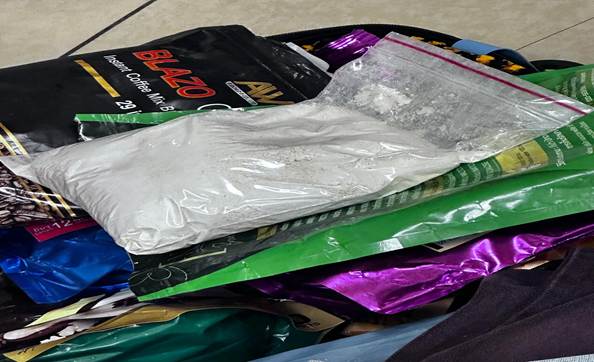
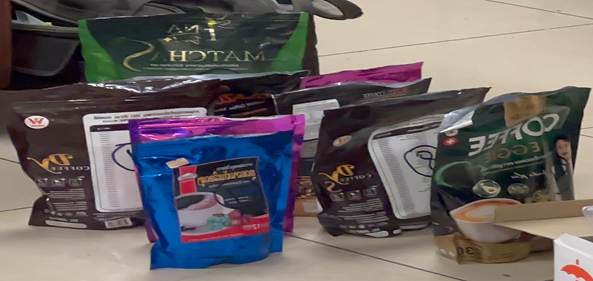
Acting on specific intelligence, DRI officers intercepted the passenger immediately after disembarkation and subjected her luggage to a detailed examination. Investigators discovered nine pouches of a white powdery substance concealed inside commercially packaged coffee packets.
Field tests using the NDPS kit returned positive for cocaine, prompting a follow-up operation. The seizure and subsequent arrests were carried out by the Mumbai Zonal Unit of the DRI.
 Arrests and syndicate links
Following the initial interception, DRI teams arrested four additional persons connected to the consignment: one individual who came to collect the parcel at the airport and three others believed to be involved in financing, logistics and distribution.
All five accused have been apprehended under provisions of the Narcotic Drugs and Psychotropic Substances (NDPS) Act, 1985. The agency said investigations are ongoing to identify the transnational network behind the smuggling attempt.
Modus operandi: food items and women couriers
The DRI noted a worrying pattern in recent seizures: international drug syndicates increasingly exploit female couriers and conceal narcotics inside everyday food items and edibles to avoid detection. Concealment within commercially packaged products—such as coffee—makes routine screening more complex.
Security and legal implications
The Mumbai seizure highlights vulnerabilities in cross-border trafficking routes and underscores the need for targeted intelligence, enhanced screening technologies and inter-agency cooperation. Under the NDPS Act, trafficking offences involving commercial quantities attract severe penalties, including long-term imprisonment and substantial fines.
DRI’s stated objectives
In its statement, the DRI reaffirmed its commitment to dismantling narcotics supply chains and advancing the national goal of a “Nasha Mukt Bharat.” The agency said it will continue coordinated operations to disrupt drug syndicates that threaten youth, public health and national security.
What experts say
Law-enforcement analysts say the recent pattern concealment within food products and recruitment of unsuspecting couriers requires intensified intelligence-sharing with international partners, stricter cargo profiling and sustained outreach to stop exploitation of vulnerable persons.
Source documents and further reading
This report is based on the official press release by the Press Information Bureau and follow-up coverage by national news media. For the original DRI statement see the Government of India press release. Additional reporting by national media outlets is available for background and updates.