 Inclusive Growth Through Targeted Schemes
NCDC has introduced dedicated schemes to strengthen various cooperative segments. The Yuva Sahakar-Cooperative Enterprise Support and Innovation Scheme supports young entrepreneurs and innovative cooperatives, particularly in North Eastern regions and aspirational districts. Since 2019, 32 cooperatives have received Rs.49.35 crore under this scheme.
The Ayushman Sahakar scheme, launched in 2020–21, promotes healthcare cooperatives, enabling affordable and holistic services, AYUSH facilities, and digital health initiatives. Nine cooperatives have benefited with Rs.161.90 crore sanctioned, including Rs.43.19 crore released.
The Dairy Sahakar scheme supports end-to-end dairy activities, including milk procurement, processing, branding, renewable energy, and veterinary services. Since 2021–22, 16 cooperatives have received Rs.162.28 crore sanctioned, with Rs.177.72 crore disbursed, strengthening India’s dairy sector.
For long-term agricultural credit, Deerghavadhi Krishak Punji Sahakar Yojana provides loans to PACS, DCCBs, StCBs, and PCARDS for farming and allied activities. Five cooperatives have benefited, with Rs.5,400.76 crore sanctioned and Rs.2,137 crore released till 2024–25.
Empowering Women and SC/ST Cooperatives
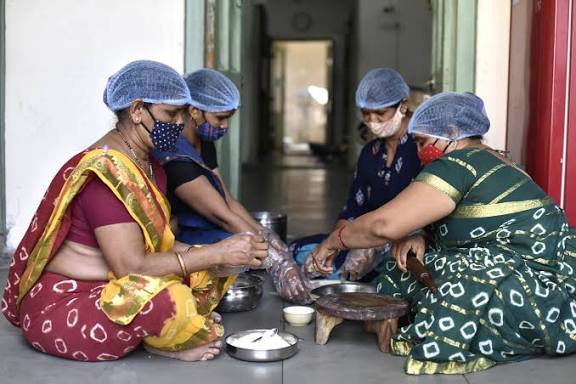
NCDC actively promotes inclusivity through schemes for women and marginalized groups. Between FY 2021–22 and FY 2024–25, Rs.57.78 crore in loans was extended to SC/ST cooperatives. Meanwhile, Rs.4,823.68 crore has been disbursed to 34 women cooperatives under Swayam Shakti Sahakar Yojana and Nandini Sahakar, with Rs.2.37 crore dedicated to infrastructure projects. These initiatives boost participation and entrepreneurship among women in rural India.
Support to Cooperative Sugar Mills
Through the Grant-in-Aid for Strengthening Cooperative Sugar Mills, NCDC has disbursed Rs.10,005 crore to 56 mills across the country for ethanol and cogeneration plants, working capital, and modernization. The funding pattern has been revised from 70:30 to 90:10, reducing the society’s contribution and lowering interest rates to 8.5%.
Recent Government Initiatives
The Union Cabinet approved a Central Sector Scheme with a Rs.2,000 crore outlay for 2025–26 to 2028–29. This grant enables NCDC to mobilize nearly Rs.20,000 crore from the open market, benefiting 2.9 crore members of 13,288 cooperatives across sectors such as dairy, sugar, textiles, food processing, fisheries, and women-led enterprises.
The National Cooperation Policy 2025 envisions revitalizing India’s cooperative movement to achieve Viksit Bharat 2047. Focused on transparency, technology adoption, and professional management, it aligns with NCDC and major cooperative institutions like IFFCO, NAFED, Amul, KRIBHCO, NDDB, NCEL, and NABARD.
Conclusion
With sustained financial assistance, targeted schemes, and policy support, NCDC has become a cornerstone of India’s cooperative growth. By empowering cooperatives across agriculture, dairy, healthcare, women-led enterprises, and marginalized communities, it strengthens rural economies and fosters inclusive development. The corporation’s proactive approach ensures that India’s cooperative sector remains resilient, innovative, and globally competitive.