Design, development and registration
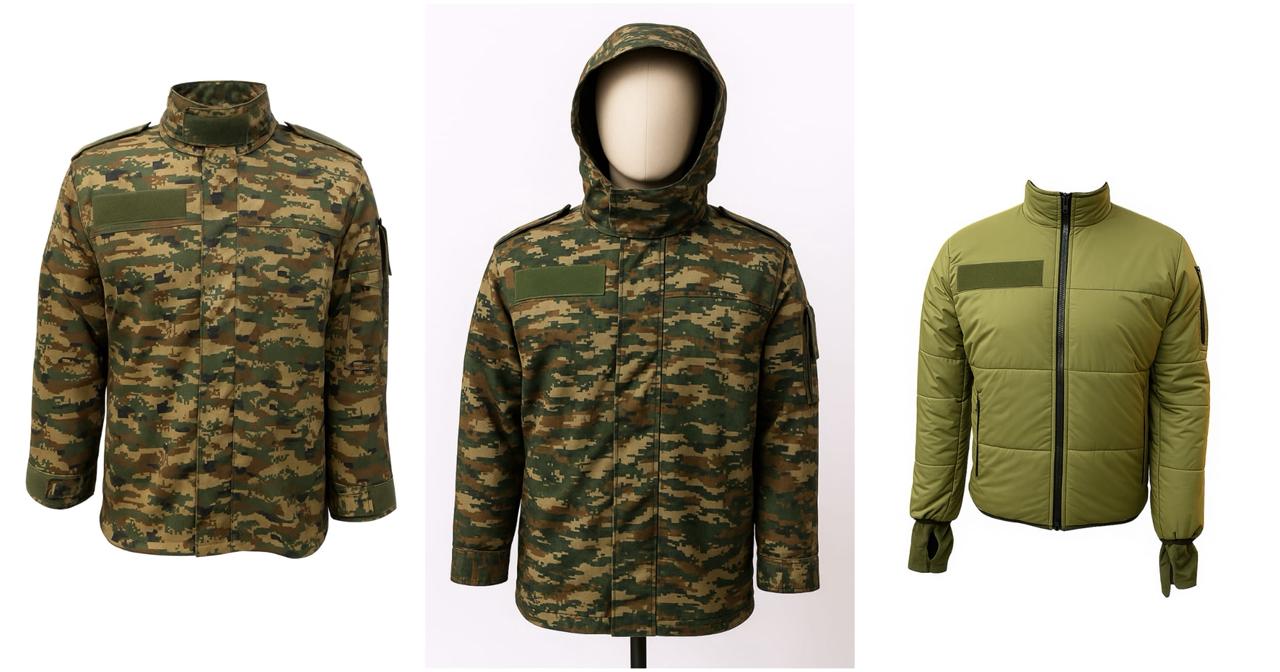
The New Coat Combat (Digital Print) was designed by the National Institute of Fashion Technology (NIFT), New Delhi, under consultancy to the Army Design Bureau. The three-layered ensemble—outer digital-print camouflage coat, insulated inner jacket and thermal base layer—was developed to balance concealment, durability and soldier comfort in varied climates and terrains.
Design Application No. 449667-001, filed with the Patent Office on 27 February 2025, secured publication in the Official Journal on 7 October 2025. The registration provides the Army legal recourse under the Designs Act, 2000 and related rules to prevent unauthorised replication and enforce remedies in case of infringement.
 Technical features and soldier benefits
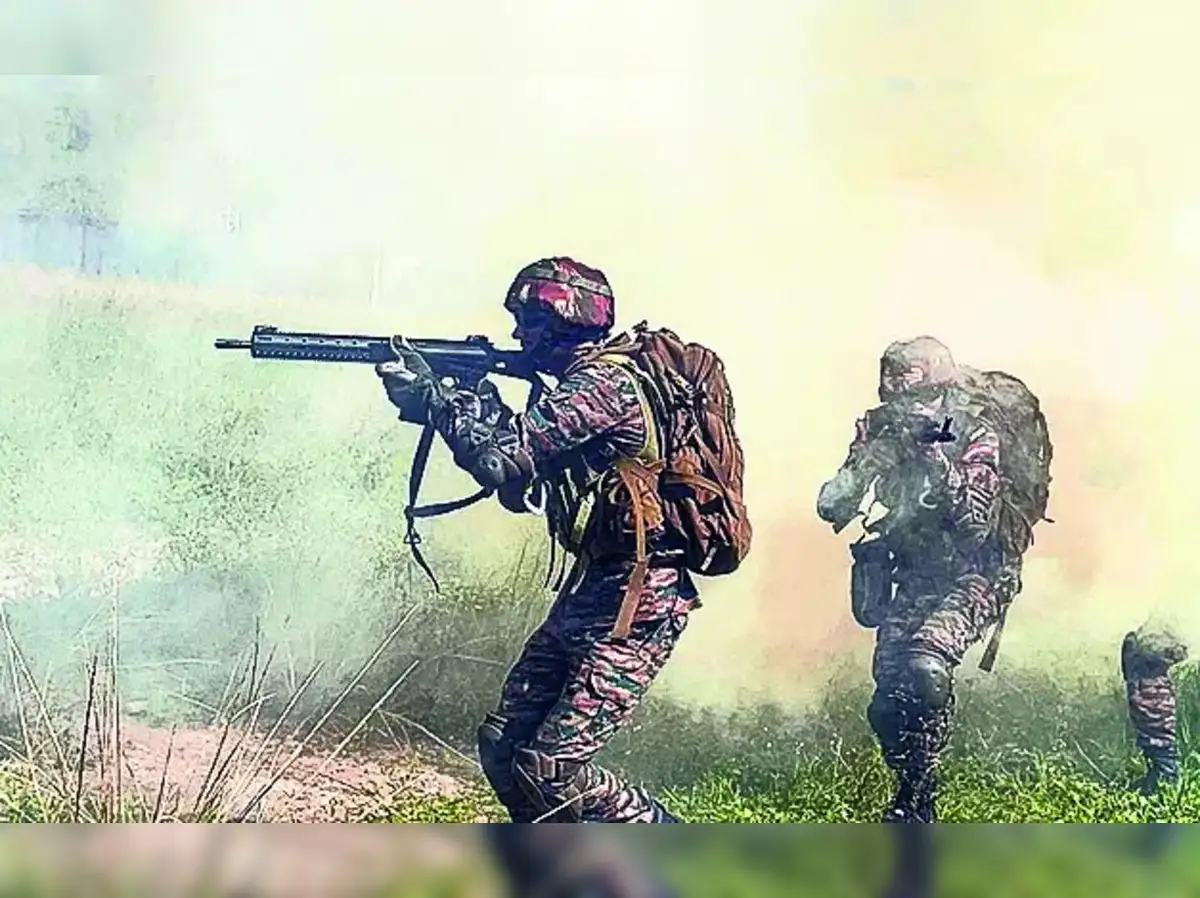
The coat’s outer layer uses digitally printed camouflage tailored for operational concealment across multiple environments. An insulated mid-layer provides warmth without compromising mobility while the thermal base layer ensures moisture control and temperature regulation. Combined, these layers aim to enhance endurance, reduce fatigue and improve operational effectiveness.
Designers emphasised ergonomic tailoring, weight optimisation and the use of advanced technical textiles. These choices reflect an emphasis on functionality—mobility, protection and comfort—while keeping production and maintenance practical for field conditions.
Legal protection and strategic significance
With the IPR in place, the Indian Army owns exclusive rights over the coat’s overall design and the unique camouflage pattern. This legal shield deters unauthorised manufacturing and commercial exploitation by private entities and ensures quality control for any authorised production under defence procurement norms.
Infringement of the registered design may attract injunctions, damages and other legal remedies as provided under the Designs Act, 2000 and the Patents Act, 1970. The registration also signals an institutional commitment to protecting indigenous defence innovations.
Indigenisation and the ‘Decade of Transformation’
The IPR registration underscores the Army’s broader push for self-reliance in defence equipment. Developed as part of the Army’s ongoing modernisation programme, the New Coat Combat aligns with the Atmanirbhar Bharat vision and the Army’s ‘Decade of Transformation (2023–2032)’.
By partnering with NIFT and leveraging domestic technical textile capabilities, the Army demonstrates a model for civil–military collaboration in defence design, where academic expertise feeds directly into operational innovation.
Next steps and procurement
The registration does not preclude authorised manufacture under government procurement channels. Instead, it ensures that authorised production—whether by defence PSUs, licensed manufacturers or in-house units—meets the Army’s design specifications and quality benchmarks.
Officials said the IPR will streamline future procurement, allow controlled licensing where appropriate, and protect the Army’s interest if any commercial entity attempts to replicate the design for civilian use without permission.
Why this matters
Securing IPR for defence clothing is significant for operational security, industrial policy and national innovation. It helps maintain standards for frontline equipment, incentivises domestic R&D in technical textiles, and provides legal tools to protect national investments in defence design.