What the unions say
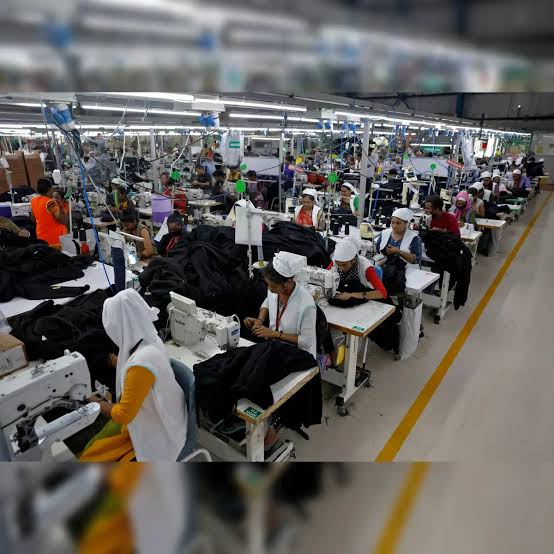
The unions argued that while the government presents the codes as modernising and simplifying 29 older laws, the changes unduly favour employers by easing hiring and firing and expanding working hours. In a joint statement issued late on Friday, the group urged workers to mobilise for coordinated demonstrations across states.
 Where protests have begun
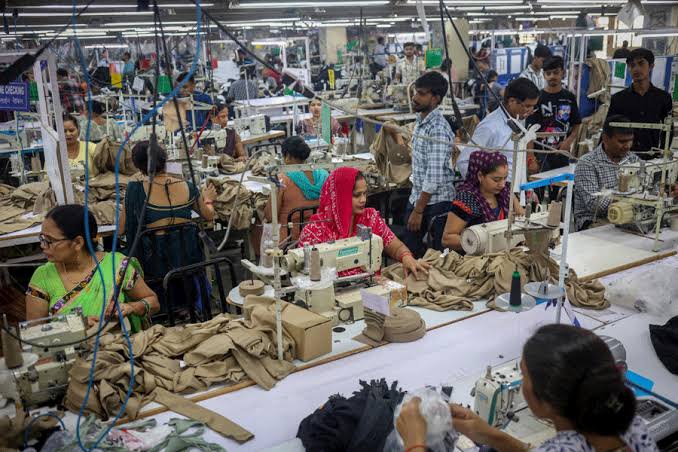
Protests began immediately in several cities. The Centre of Indian Trade Unions (CITU) organised marches in Bhubaneswar where hundreds of workers gathered and publicly burned copies of the new labour codes, signalling the intensity of resistance in some labour strongholds.
Government position
The Centre says the four labour codes — the Code on Wages, the Industrial Relations Code, the Code on Social Security and the Occupational Safety, Health & Working Conditions (OSHWC) Code — consolidate 29 existing laws into a streamlined framework that promotes ease of doing business while strengthening worker welfare and compliance. The government notified the codes on November 21 and has defended the reforms as necessary to modernise India’s labour architecture.
Key changes and concerns
Under the new framework, thresholds for mandatory government approval for layoffs have been raised, factory shift limits and night work provisions were revised, and firms gain more flexibility in managing staff. Supporters argue these changes reduce red tape and improve investment prospects; critics say they weaken protections such as retrenchment safeguards and collective bargaining strength.
Business and employer reactions
Industry bodies have given mixed responses. Some employers say the overhaul will simplify compliance and help expand manufacturing. Others especially small and medium enterprises warned of transitional disruptions and higher operational costs, urging phased implementation and financial support. The Association of Indian Entrepreneurs called for flexibility to prevent abrupt business continuity shocks.
Consultations and political context
The Labour Ministry notes it held multiple consultations with union representatives since mid-2024, but disagreements persisted. Politically, the codes have become a flashpoint: unions aligned with the ruling party have backed implementation after consultations, while opposition-aligned unions have mounted fierce opposition and framed the move as an attack on labour rights.
What happens next
With protests scheduled for November 26, labour leaders and state governments will test the codes’ political resilience. Implementation also calls for state-level rules to align with the federal codes, a process that will determine operational details and local safeguards. Observers say the coming week will be decisive in shaping both the trajectory of reforms and the government’s outreach to labour groups.
Where to find official documents
For the official notification and details of the four labour codes, readers may consult the Press Information Bureau and the Ministry of Labour and Employment releases. These provide the text of the codes and government explanations of intended benefits.