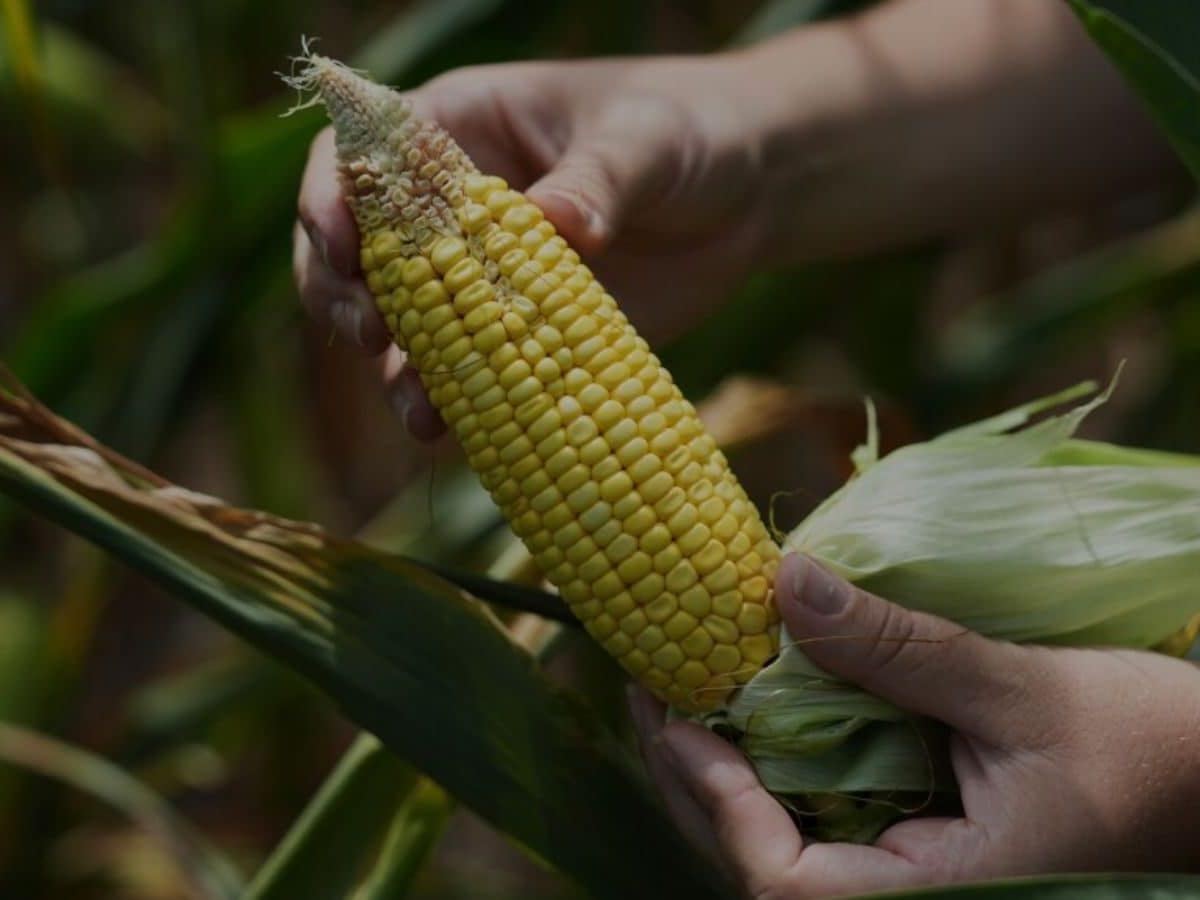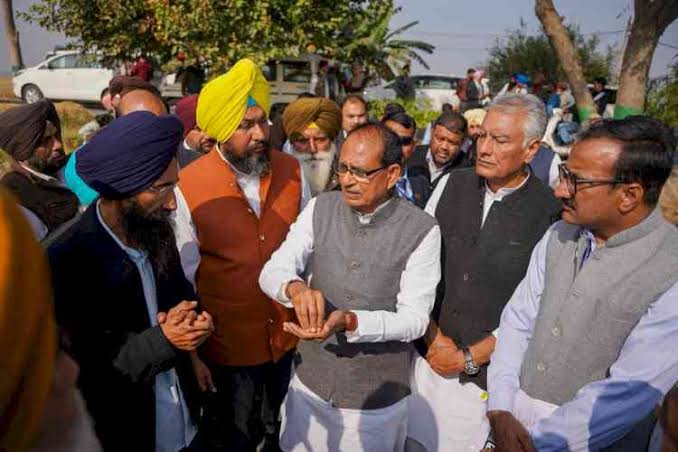
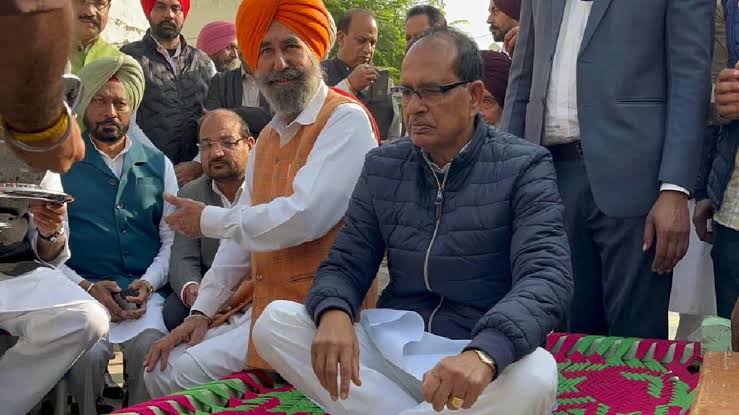
 Addressing the media, Shri Chouhan noted that stubble burning incidents in Punjab have decreased by 83% this year, falling from 83,000 cases to just 5,000. He emphasized that integrating stubble into the soil, rather than burning it, improves soil fertility, saves water, reduces fertiliser costs, and enhances crop quality.
“Punjab has taught us a lot; stubble is not a burden but a boon. Ransih Kalan is a school of knowledge and a centre of inspiration,” the Minister remarked. He highlighted that this approach benefits wheat, potato, and mustard cultivation, enabling better yields with reduced inputs. The village’s efforts in water conservation, rainwater harvesting, anti-drug campaigns, and creation of parks and libraries were also commended.
Shri Chouhan announced plans for a brainstorming meeting with farmers on December 22–23 to prepare five-year agricultural plans under the leadership of Prime Minister Shri Narendra Modi. He also directed the Indian Council of Agricultural Research to develop Custom Hiring Centres as mechanisation hubs, ensuring small farmers have access to modern machinery on a rental basis.
The Minister assured farmers that the government will continue to procure wheat, paddy, lentils, pigeon pea, black gram, and chickpea at MSP, providing full value for their hard work. He reiterated that Ransih Kalan’s practices could serve as a national model, reducing pollution and boosting productivity.
In conclusion, Shri Chouhan described Punjab as a knowledge hub, praising the village Sarpanch, Preet Inderpal Singh Mintu, for exemplary leadership. He encouraged farmers across India to adopt Ransih Kalan’s stubble management techniques for sustainable agriculture and environmental protection.