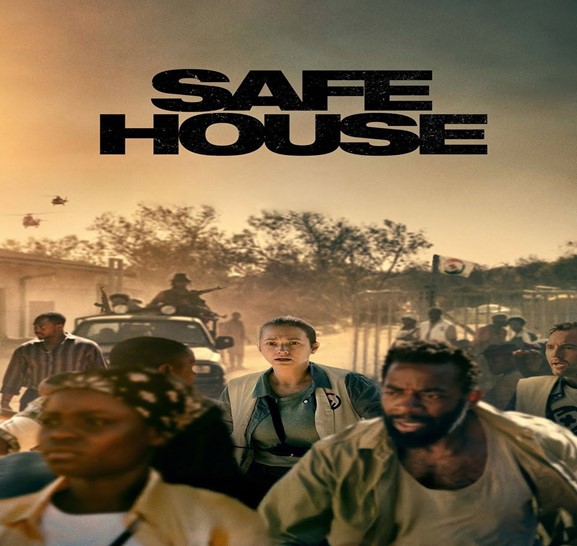
The Norwegian film Safe House, directed by Eirik Svensson, was awarded the prestigious ICFT–UNESCO Gandhi Medal at the closing of the 56th International Film Festival of India (IFFI) in Goa. The jury honoured the film for its clear moral vision and its powerful, humane depiction of aid workers confronting ethical dilemmas amid violent conflict.
 Real-time drama, rooted in real events
Set inside a Médecins Sans Frontières (Doctors Without Borders) hospital in Bangui during the 2013 civil war in the Central African Republic, Safe House unfolds over a tense 15-hour period. The film’s real-time narrative immerses viewers in the confined, fraught world of humanitarian responders making life-and-death decisions under pressure.
The jury praised the film’s restraint and moral clarity. Its focus on compassion, responsibility and the sanctity of human life resonated with the award’s mandate to honour cinema that advances peace, tolerance and intercultural dialogue.
Performance and festival reception
Critics at the festival noted the central performance by Kristine Kujath Thorp as particularly arresting, lending emotional weight to the film’s moral inquiry. Safe House premiered earlier in 2025 at the Göteborg Film Festival, where it won the Audience Dragon Award for Best Nordic Film foreshadowing its warm reception at IFFI.
IFFI’s 56th edition, staged between 20–28 November in Goa, continued its tradition of bringing international and Indian cinema into dialogue, with competitions, masterclasses and the WAVES Film Bazaar providing a platform for emerging voices and veteran storytellers alike.
Cinema as bridge-building
Festival organisers and UNESCO partners have long championed the idea that cinema can build empathy and encourage cross-cultural understanding. The ICFT–UNESCO Gandhi Medal is meant to recognise films that stimulate ethical reflection and dialogue qualities that the jury found in abundance in Safe House.
“Films like Safe House remind audiences that storytelling can be a force for empathy,” the jury said, calling the film “a measured, humane study of the choices that define us in crisis.”