 Purpose and strategic intent
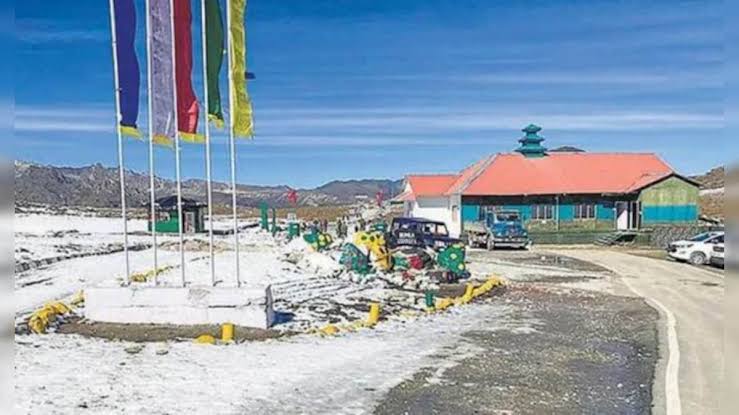
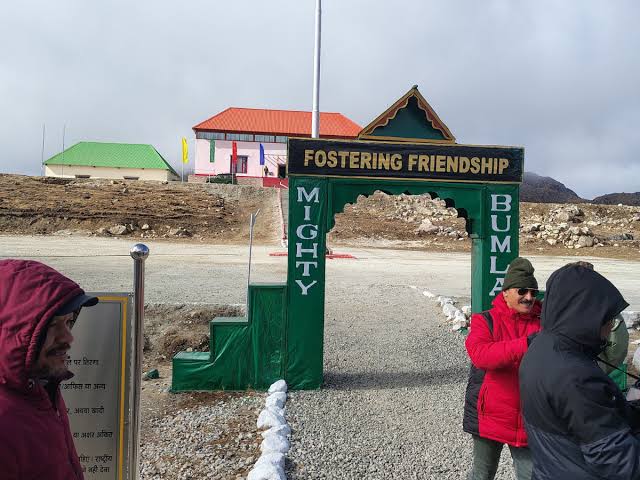
VVP-II aims to strengthen the socio-economic fabric and resilience of frontier villages by delivering focused development interventions. The scheme responds to the dual objectives of improving quality of life for border communities and enhancing national security through sustainable development and local empowerment.
By channeling central resources into infrastructure, livelihoods and connectivity, VVP-II seeks to reduce developmental asymmetries that can hinder the integration of border areas with mainstream economic activity.
Scope where and what will be done
The scheme will be implemented in select villages located in blocks that abut international land borders; northern border villages remain within the mandate of VVP-I. The approved coverage explicitly names 33 villages in Bahraich district (Mihipurwa and Nawabganj development blocks) along the Indo-Nepal border.
VVP-II’s ten core focus areas are:
- livelihood generation;
- road connectivity;
- energization (power supply and renewable options);
- village infrastructure including primary health facilities;
- financial inclusion;
- youth empowerment and skill development;
- development of cooperatives, SHGs and FPOs for livelihoods and asset maintenance;
- promotion of tourism, culture and outreach;
- education infrastructure; and
- television and telecom connectivity.
Livelihoods, institutions and sustainability
Central to VVP-II is livelihood promotion through skill development, cooperative formation and support for Farmer Producer Organisations and Self-Help Groups. These community institutions will be earmarked to manage assets created under the programme and to sustain income streams beyond project timelines.
By linking local skills, agrarian potential and micro-enterprises with improved connectivity and financial services, the scheme intends to create durable market linkages for border communities.
Connectivity, energy and basic services
Roads and transport links are priority interventions to facilitate movement of goods, services and people. Energization efforts including grid extension and decentralised renewable energy solutions where appropriate will target reliable power supply for households, schools and health centres.
Village infrastructure upgrades will include strengthening primary health facilities and education infrastructure so that essential services are readily available within communities located near ILBs.
Digital inclusion and outreach
Recognising connectivity as an enabler, VVP-II includes television and telecom interventions to bridge the digital divide. Improved digital access will support tele-medicine, remote education, market information and financial inclusion services in remote border villages.
Cultural and tourism promotion is included to leverage local heritage and cross-border visitor potential where feasible, complementing livelihoods and community pride.
Implementation, coordination and accountability
The Ministry of Home Affairs will coordinate the scheme’s rollout in consultation with state governments and local administrations. Village-level plans are expected to be prepared in participatory manner, with line departments undertaking technical implementation and monitoring.
By institutionalising SHGs, cooperatives and FPOs for maintenance, the programme aims to ensure community ownership and long-term upkeep of assets.
Expected impact and strategic significance
VVP-II is designed to transform frontier settlements into economically active, connected and resilient villages. Improvements in roads, power and telecom are expected to catalyse market access, while healthcare and education investments will raise welfare indicators.
Strategically, the programme reinforces border area integration with mainstream development, a policy objective that underpins national security and socio-economic cohesion.
Further information
The details were provided to Lok Sabha by Minister of State Shri Nityanand Rai. For official releases and scheme documents see the Press Information Bureau and the Ministry of Home Affairs.