 NPDD and AHIDF: filling gaps in processing and power
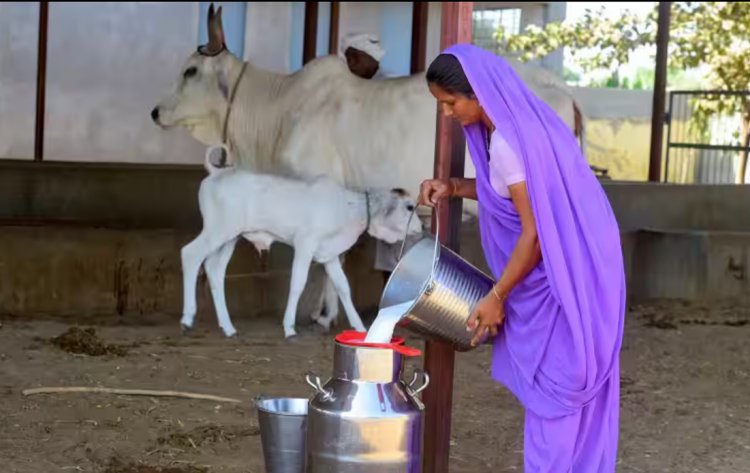
NPDD targets strengthening milk procurement, chilling and processing infrastructure at cooperative and village levels. The programme finances Bulk Milk Coolers (BMCs), quality testing kits and support for village-level dairy cooperative societies. Notably, the ministry said 52 solar-powered BMCs have already been sanctioned, underlining a push for renewable energy in rural dairy systems.
AHIDF complements NPDD by offering concessional finance for modern milk processing plants, chilling infrastructure, value-added dairy units and energy-efficiency systems. The scheme is open to dairy cooperatives, Farmer Producer Organisations (FPOs), Self-Help Groups (SHGs) and private entrepreneurs to address processing gaps and power constraints.
To date, three milk unions Barauni (Bihar), Banaskantha (Gujarat) and Ernakulam (Kerala) have received assistance for solar-powered dairy processing units, demonstrating the scheme’s geographic spread and focus on sustainable operations.
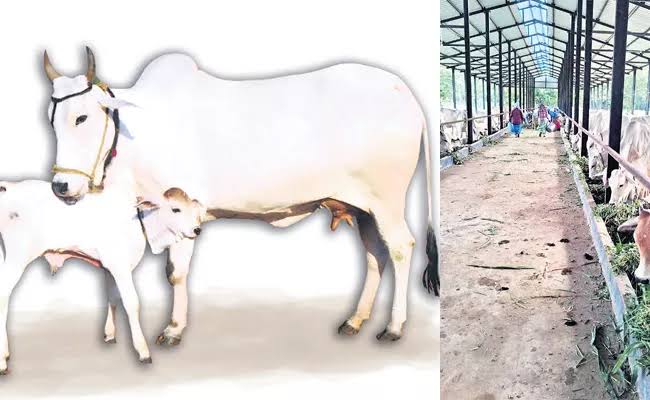
Rashtriya Gokul Mission: scaling modern breeding
RGM aims to improve cattle genetics and farm-level practices. The government reported major outreach figures: 9.36 crore animals covered under national artificial insemination drives, with 14.56 crore AIs performed, benefiting 5.62 crore farmers. These numbers reflect a large-scale push to increase access to proven breeding interventions for small and marginal farmers.
Sex-sorted semen production is a key achievement 128 lakh doses produced and costs have been reduced from ₹800 to ₹250 per dose through indigenous technology. The country now has a capacity of 40 lakh doses with 150 lakh doses under establishment; incentives under the Accelerated Breed Improvement Programme cover up to 50% of the sex-sorted semen cost contingent on assured pregnancies.
Field-level delivery: technicians and IVF labs
DAHD highlighted that nearly 39,810 MAITRI (Multi-purpose AI Technician in Rural India) technicians have been trained to deliver doorstep AI services, a vital step to ensure uptake of breeding technologies. The mission has also promoted assisted reproductive technologies: 24 IVF labs are operational nationwide, with an incentive of ₹5,000 per assured pregnancy to encourage IVF adoption among eligible farmers.
Progeny testing and pedigree selection efforts have yielded 4,288 high genetic merit bulls supplied to semen stations, and 47 semen stations have been sanctioned for strengthening the breeding pipeline.
Extension, awareness and farmer benefits
Beyond inputs and labs, the ministry emphasised outreach: fertility camps, calf rallies, training programmes and workshops have been conducted across states to raise farmer awareness and transfer technology. These activities aim to translate technical advances into productivity and income gains for smallholder dairy households.
DAHD officials told Parliament that combined interventions from solar BMCs to sex-sorted semen and trained MAITRIs are designed to reduce costs, increase yields and improve resilience for dairy farmers dependent on livestock income.
Why it matters for rural incomes and sustainability
India’s dairy sector supports millions of rural families and is a lifeline for small and marginal farmers. Upgrading chilling, processing and renewable energy infrastructure reduces post-harvest losses and power costs, while modern breeding improves productivity per animal together these measures can raise net farm incomes and enhance the sector’s environmental footprint.
Officials linked the schemes to broader objectives of rural livelihoods, climate-smart agriculture and cooperative strengthening a policy mix that aims for long-term, scalable impact.