 What the DSCA Letter Says
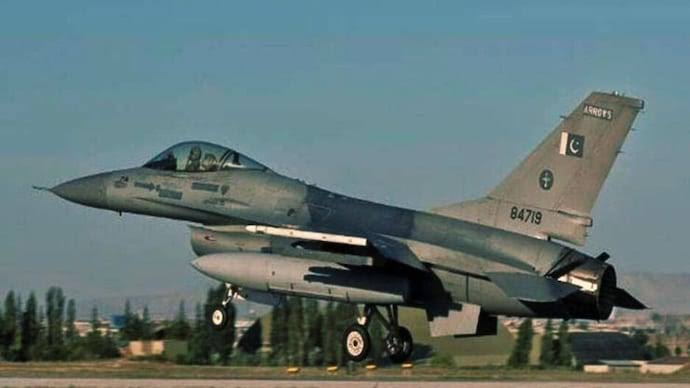
The DSCA letter, sent to Congress on December 8, frames the sale as supporting US foreign policy and national security objectives by preserving interoperability between Pakistan, US and partner forces for counterterrorism and contingency operations. It also stresses operational safety saying refurbishment will address critical flight-safety concerns while allowing Pakistan to “absorb these articles and services.” The notification triggers the standard 30-day congressional review.
Package Breakdown and Principal Contractor
According to the notification, roughly $37 million is for major defence equipment and about $649 million covers sustainment, upgrades and services. Reported components include Link-16 units, secure communications and navigation gear, mission-planning systems, avionics updates, cryptographic equipment, software and spares. Lockheed Martin is named as the likely principal contractor to carry out hardware and software integration.
US Rationale and Regional Balance
The DSCA text argues that the sale will not “alter the basic military balance” in the region, a routine claim made in many Foreign Military Sales (FMS) notifications. It states that Pakistan has the technical capacity to integrate the systems and that updates are needed to meet current and future threats. Still, notifications of this scale invariably draw attention from neighbouring capitals, including New Delhi.
How India Views the Move
New Delhi routinely watches US-Pakistan defence ties closely. While the DSCA stresses non-proliferation and operational safety concerns, Indian analysts say any upgrade to Pakistan’s combat fleet merits scrutiny given existing strategic sensitivities. India’s diplomatic and defence establishments will likely review the notification, consult allies and evaluate any operational implications for air balance along the western front.
Operational and Political Questions
Several practical issues remain: the exact configuration of Link-16 and cryptographic suites, the timeline for integration, and the scope of training and logistic support. Lawmakers in Washington have 30 days to review the sale; during that window Congress can object, request briefings or seek restrictions. Political dynamics in the US, including broader South Asia policy considerations, could influence final clearance.
Implications for Regional Security
Defence experts say modernised datalinks and secure communications improve mission coordination and situational awareness advantages for integrated operations with partner forces, especially in counterterrorism. But such capabilities can also complicate threat perceptions among neighbours, prompting operational recalibrations and diplomatic notes. Transparency, export controls and clear operational limitations are commonly cited mitigants.
What Comes Next
The DSCA notification starts the formal US review process; if Congress does not block the sale during the 30-day period it may proceed to contract awards and implementation. Watch for congressional questions, further DSCA disclosures, and official statements from Islamabad and New Delhi as the package moves through review.