 What Triggered GRAP-III?
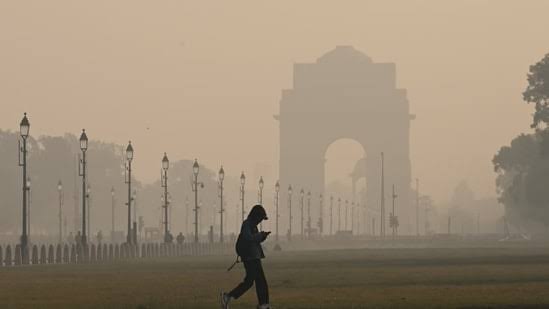
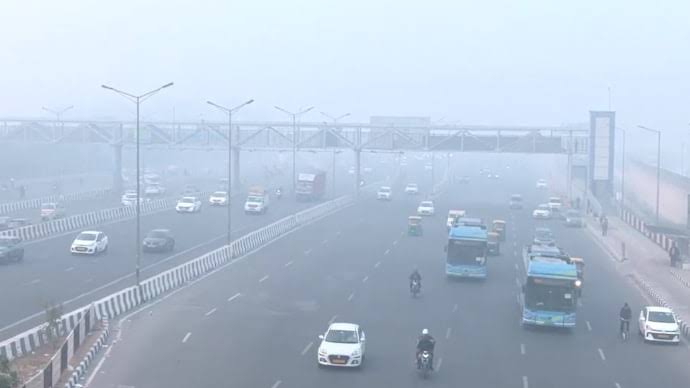
According to official data from the Central Pollution Control Board (CPCB), Delhi’s AQI stood at 397 early Saturday, dangerously close to the ‘severe’ threshold. Out of the total monitoring stations in the city, at least 21 recorded AQI values exceeding 400, firmly placing them in the ‘severe’ pollution category.
Based on these readings, the CAQM’s GRAP Sub-Committee invoked all measures prescribed under Stage III of GRAP, which applies when the AQI ranges between 401 and 450. These measures are in addition to restrictions already in place under Stages I and II.
Key Restrictions Under Stage III
One of the most significant steps under GRAP-III is the complete ban on construction and demolition activities across Delhi and the entire NCR. This move aims to reduce dust emissions, a major contributor to winter pollution in the region.
Vehicular restrictions have also been tightened. The plying of BS-III petrol and BS-IV diesel light motor vehicles (LMVs), including four-wheelers, has been prohibited in Delhi as well as in NCR districts such as Gurugram, Faridabad, Ghaziabad, and Gautam Buddh Nagar.
Schools Shift to Hybrid Mode
In view of the deteriorating air quality, authorities have mandated that physical classes for students up to Grade 5 be shifted to hybrid mode. This directive applies not only to Delhi but also to adjoining NCR districts, including Gurugram, Faridabad, Ghaziabad, and Gautam Buddh Nagar.
The move is intended to minimize children’s exposure to toxic air while ensuring continuity of learning. Schools have been advised to strictly comply with the order until further notice.
Health Advisory and Enforcement
Health experts continue to warn residents against prolonged outdoor exposure, advising the use of masks and air purifiers wherever possible. Hospitals have reported an increase in patients complaining of respiratory distress, eye irritation, and throat infections.
Enforcement agencies have been directed to ensure strict compliance with GRAP-III measures. Authorities have also intensified the use of anti-smog guns and mechanical road sweeping to suppress dust levels in pollution hotspots.
Outlook for the Coming Days
Meteorological conditions, including low wind speeds and falling temperatures, are expected to continue trapping pollutants over the region. Authorities have indicated that further restrictions may be imposed if air quality fails to improve.
As Delhi enters the peak winter pollution season, the GRAP framework remains the primary tool for emergency response. However, experts stress that long-term solutions, including cleaner transport and sustained emission control, are essential to prevent recurring air quality crises.