 North Lakhimpur: Assam’s Urban Green Turnaround
North Lakhimpur in Assam stands out as a flagship example of scientific waste management. Under Swachh Bharat Mission–Urban 2.0, the North Lakhimpur Municipal Board successfully cleared nearly 79,000 metric tonnes of legacy waste from the Chandmari dumpsite, freeing up 16 bighas of land. An additional 10 bighas are now earmarked for conversion into an Urban Forest and Urban Retreat Zone.
The environmental impact extends beyond land recovery. The revival of the nearby Sumdiri River has restored aquatic life and bird populations, reversing years of ecological damage. On the operational front, the city processes 36–42 tonnes of municipal waste daily through Assam’s first integrated Material Recovery Facility and Waste-to-Compost plant at Japisajia.
With a recycling capacity of 100 tonnes per day and composting of 25 tonnes of wet waste, the facility feeds recyclables back into the circular economy while supplying organic compost to local farmers. Together, these initiatives have turned “Swachh Lakhimpur” into a benchmark for sustainable urban development in Assam.
Mizoram’s Shared Responsibility Model
Aizawl has demonstrated how citizen participation can redefine urban sanitation. Launched on World Environment Day in June 2025, the Adopt-a-Dustbin Scheme encourages residents, shopkeepers, NGOs, and institutions to take responsibility for maintaining public dustbins until municipal collection.
So far, 95 dustbins across 75 locations have been adopted, with many participants adding signboards, beautification elements, and awareness messages. By fostering a sense of ownership, the initiative has transformed routine waste management into a people-led movement, reinforcing Aizawl’s strong civic culture.
Roing’s Community-Led Waste Revival
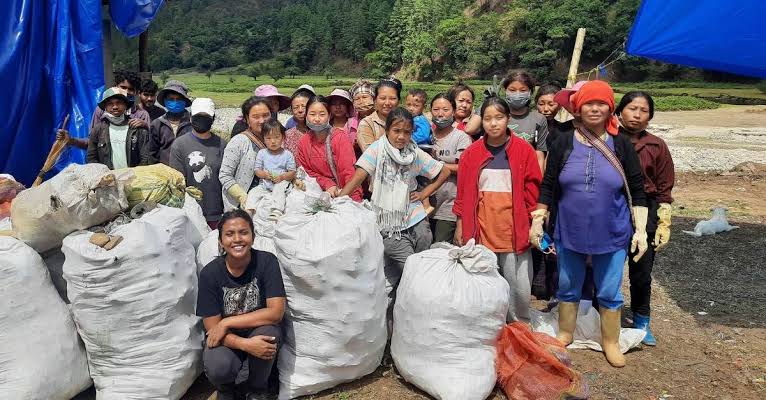
In Arunachal Pradesh’s Lower Dibang Valley, the town of Roing has turned a mounting waste challenge into a community success story. Through a Public-Private Partnership model launched in 2022, the Roing Municipal Council partnered with the Green Roing Self-Help Group to manage solid waste sustainably.
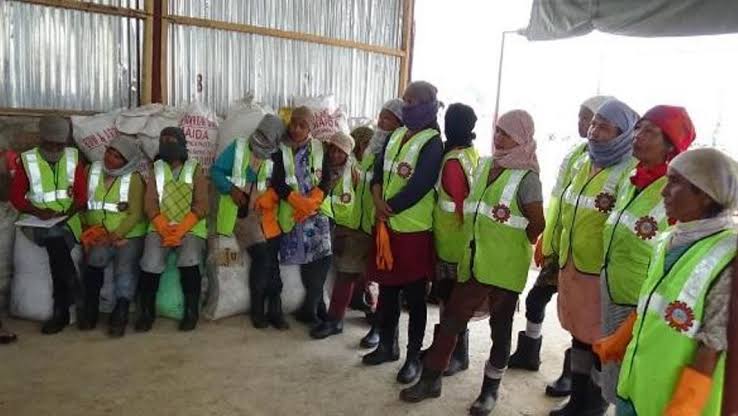
The initiative began with household waste collection and targeted plastic dumping hotspots, supported by street plays and awareness drives. A privately run Material Recovery Facility now processes around three tonnes of waste every month, generating income for SHG members through the sale of recyclables.
A visual symbol of this transformation is the Waste to Wonder Butterfly Park, built using recycled materials and nearly 10,000 plastic bottles. The project highlights how innovation and community ownership can protect fragile landscapes while creating public pride.
Protecting Water Bodies in Tripura
Tripura’s Urban Local Bodies have adopted a preventive approach to protect water bodies from solid waste pollution. Drains leading into lakes and ponds are fitted with wired mesh barriers to trap waste before it enters aquatic ecosystems, complemented by regular manual cleaning.
These infrastructure measures are reinforced by sustained public outreach through ward-level meetings, door-to-door campaigns, and education on idol immersion norms. The combined effort of municipal systems and citizen participation has significantly reduced pollution in local water bodies.
Nagaland’s Zero-Waste Hornbill Festival
Nagaland’s iconic Hornbill Festival has set a national benchmark for sustainable celebrations. The 26th edition adopted a zero-waste, zero-plastic approach, banning single-use plastics and replacing them with bamboo, banana leaves, and bagasse-based alternatives.
More than one million plastic items were prevented, cutting nearly 50 metric tonnes of carbon emissions. With strict vendor checks, segregated waste bins, refillable water stations, and onsite composting, the festival proved that sustainability can enhance, not diminish, cultural celebrations.
A Model Built on Participation
The Northeast’s success underscores a simple but powerful truth: sustainable waste management thrives on participation, not just infrastructure. Cities reclaimed land and rivers, communities guarded streets and drains, festivals embraced zero waste, and small towns converted waste into livelihoods.
By choosing cooperation over compulsion and innovation over inertia, Northeast India offers a replicable model for the rest of the country. Cleanliness here is not a one-time achievement but a shared habit, carefully built and collectively sustained.