 Breaking Platform Silos Through Open Networks
Traditional e-commerce platforms typically function as closed systems, restricting sellers to platform-specific terms, algorithms and visibility rules. ONDC addresses this imbalance by creating an open ecosystem where seller-side applications can make their full product catalogues visible to all buyer-side applications on the network.
This approach ensures that sellers are not confined to a single digital marketplace and can reach customers across platforms without discrimination. Open specifications adopted across the network prevent opaque listing practices and promote fairness in product discovery.
Transparency in Search and Ranking Mechanisms
A key feature of ONDC is enhanced transparency in how products are discovered and ranked. Buyer-side applications are required to disclose key parameters used for sorting and listing search results, allowing sellers to understand how their products are positioned.
This disclosure enables sellers to improve product listings and pricing strategies while reducing arbitrary or biased ranking practices that often disadvantage small sellers on traditional platforms.
Empowering MSMEs Through the TEAM Scheme
The Ministry of MSME supports ONDC adoption through the Trade Enablement and Marketing (TEAM) scheme, which focuses on integrating small sellers into the digital commerce ecosystem. The scheme provides assistance in digital literacy, awareness creation, cataloguing and onboarding.
Beneficiaries include MSMEs, self-help groups, farmer producer organisations, artisans, rural entrepreneurs and local retailers. Notably, 50 percent of beneficiaries under the scheme are targeted to be women-led enterprises, reinforcing inclusive growth.
Expanding Reach Across Cities and Towns
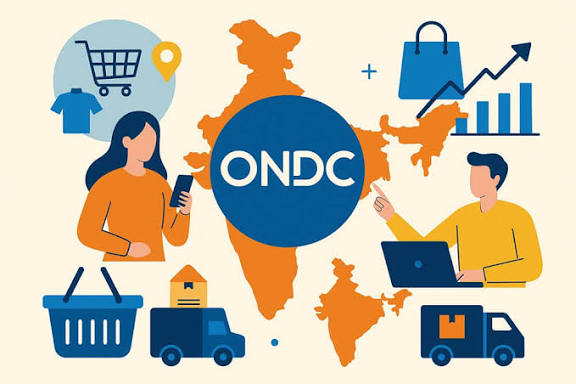
As of December 9, 2025, over 1.16 lakh retail sellers are live on the ONDC network, representing more than 630 cities and towns across India. This wide geographic spread reflects ONDC’s ability to bring diverse sellers from metros, tier-2 and tier-3 cities into the digital marketplace.
While metropolitan business district-wise classification is not maintained, the growing participation highlights strong adoption across varied economic regions.
Consumer Benefits and Market Competition
ONDC’s interoperable framework increases competition by allowing multiple platforms to offer the same products and services. This competition leads to greater price transparency, better service quality and a wider range of choices for consumers.
Consumers benefit from access to sellers across geographies, enabling informed purchasing decisions while encouraging competitive pricing and innovation.
Government’s Vision for Inclusive Digital Trade
The Ministry of Commerce and Industry has emphasized that ONDC is a key pillar in building an inclusive, competitive and innovation-driven digital commerce ecosystem. By lowering entry barriers and fostering interoperability, ONDC aligns with India’s broader goals of empowering small businesses and strengthening consumer trust.
The initiative underscores the government’s commitment to ensuring that digital growth remains fair, transparent and accessible to all stakeholders.