 Survey and Safety Measures
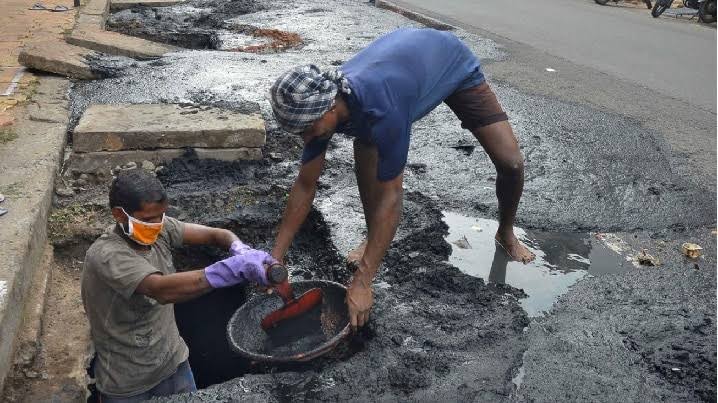
A nationwide survey conducted under the NAMASTE scheme identified sewer and septic tank workers and assessed occupational hazards. Since 2019, 471 sanitation workers have lost their lives due to unsafe sewer and septic tank cleaning. Compensation has been provided to 416 families, reflecting the government’s commitment to worker welfare.
The scheme includes the provision of safety devices for Emergency Response Sanitation Units (ERSUs), upfront capital subsidies for sanitation machines and equipment, occupational safety training, and workshops to prevent hazardous cleaning practices.
Mechanisation and Policy Integration
The NAMASTE scheme complements the Swachh Bharat Mission – Urban (SBM-U) 2.0, which began in October 2021 with a strong focus on Used Water Management (UWM) to eliminate manual entry into sewers. Technical advisories, Standard Operating Procedures (SOPs), and the SafaiMitraSurakshaShivirs initiative ensure safe operations and link workers to health and social welfare programs.
Support and Rehabilitation for Workers
The NAMASTE scheme also incorporates elements of the erstwhile Self-Employment Scheme for the Rehabilitation of Manual Scavengers (SRMS). Key support measures include:
- One-time cash assistance for over 58,000 beneficiaries.
- Skill development training for nearly 28,000 workers.
- Capital subsidy for self-employment projects for 2,652 individuals.
These efforts aim to empower sanitation workers economically while ensuring their safety and dignity.
Legal Framework and Future Plans
Under Section 7 of the Prohibition of Employment as Manual Scavengers and their Rehabilitation Act, 2013, hazardous cleaning of sewers and septic tanks is prohibited. The Ministry currently has no plans to amend this legislation. NAMASTE focuses on mechanisation and training to comply with existing law while safeguarding workers.