 SpaDeX Mission: India Demonstrates In-Orbit Docking
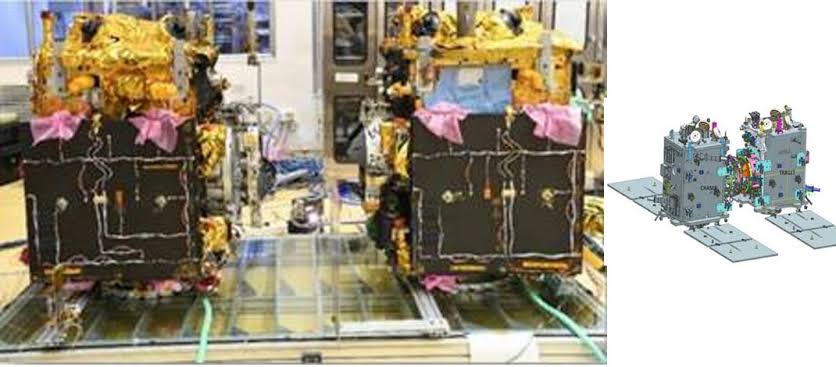
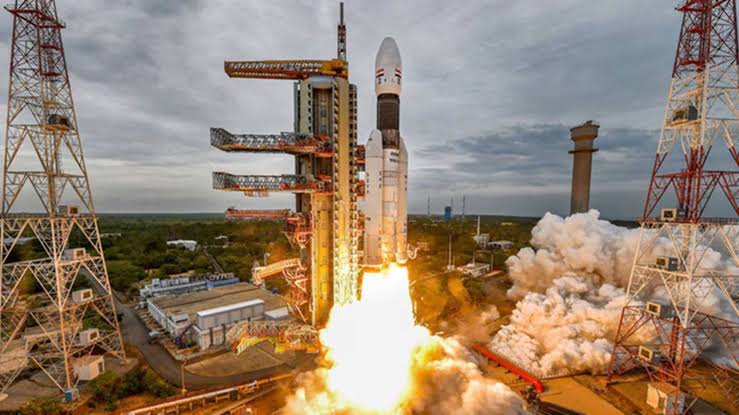
One of the most significant highlights of 2025 was the success of the Space Docking Experiment (SpaDeX). Launched aboard PSLV-C60, the twin satellites achieved successful docking in orbit on January 16, 2025, followed by undocking, circumnavigation and power transfer experiments.
A repeat docking on April 20, 2025, and successful power transfer the next day validated indigenous technologies critical for future space stations, satellite servicing and human missions.
Breakthroughs in Space Science and Research
ISRO made major progress in space biology through the CROPS-1 experiment, which successfully demonstrated seed germination and plant growth in microgravity. Cowpea plants sprouted and reached the two-leaf stage aboard the POEM-4 platform, opening new possibilities for long-duration human missions.
Meanwhile, Aditya-L1, India’s first solar observatory, completed a year in its halo orbit at L1. ISRO released high-quality scientific datasets to researchers worldwide, providing valuable insights into the Sun’s photosphere, chromosphere and corona.
Launch Milestones and Infrastructure Expansion
In January 2025, ISRO marked its 100th launch from Sriharikota with the GSLV-F15 mission. The Union Cabinet also approved the establishment of a Third Launch Pad at the Satish Dhawan Space Centre, enhancing capacity for next-generation launch vehicles and future human spaceflight.
Foundation stones were laid for a new launch pad at the SSLV Launch Complex in Kulasekarapattinam, strengthening India’s small satellite launch ecosystem.
Human Spaceflight and Gaganyaan Progress
India’s human spaceflight ambitions received a major boost in 2025. ISRO successfully conducted critical tests for the Gaganyaan programme, including integrated air drop tests and propulsion validations.
In a historic achievement, Indian astronaut Shubhanshu Shukla completed an 18-day mission aboard the International Space Station under the Axiom-04 mission, making him the first Indian to visit the ISS.
Technological Advances and Make-in-India Push
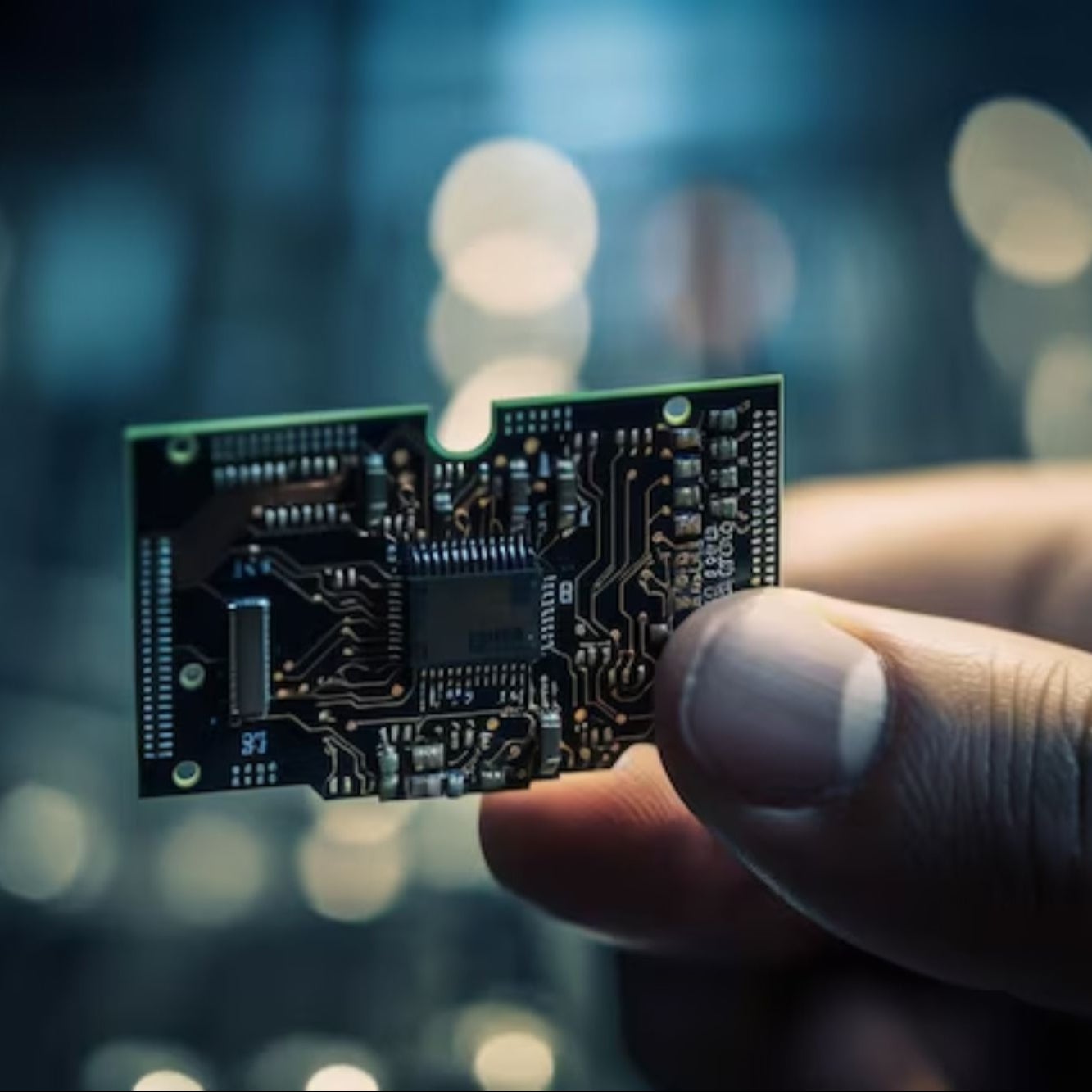
ISRO and Semiconductor Laboratory, Chandigarh, jointly developed India’s first fully indigenous 32-bit space-qualified microprocessors VIKRAM3201 and KALPANA3201 strengthening self-reliance in critical space electronics.
The agency also completed a 1,000-hour life test of a stationary plasma thruster, a key step towards all-electric propulsion systems for future satellites.
Global Leadership and Outreach
India took on a leadership role in the International Charter ‘Space and Major Disasters’, coordinating global disaster response using space-based data. ISRO also hosted the prestigious Global Space Exploration Conference (GLEX) 2025 in New Delhi, reinforcing India’s role in global space diplomacy.
Initiatives like NE-SPARKS further strengthened outreach, enabling students from the Northeast to engage directly with India’s space programme.
Looking Ahead
The Department of Space’s achievements in 2025 underline ISRO’s transition from a launch-centric agency to a comprehensive space power. With advances in docking, propulsion, human spaceflight and global collaboration, India’s journey towards Space Vision 2047 is firmly on track.