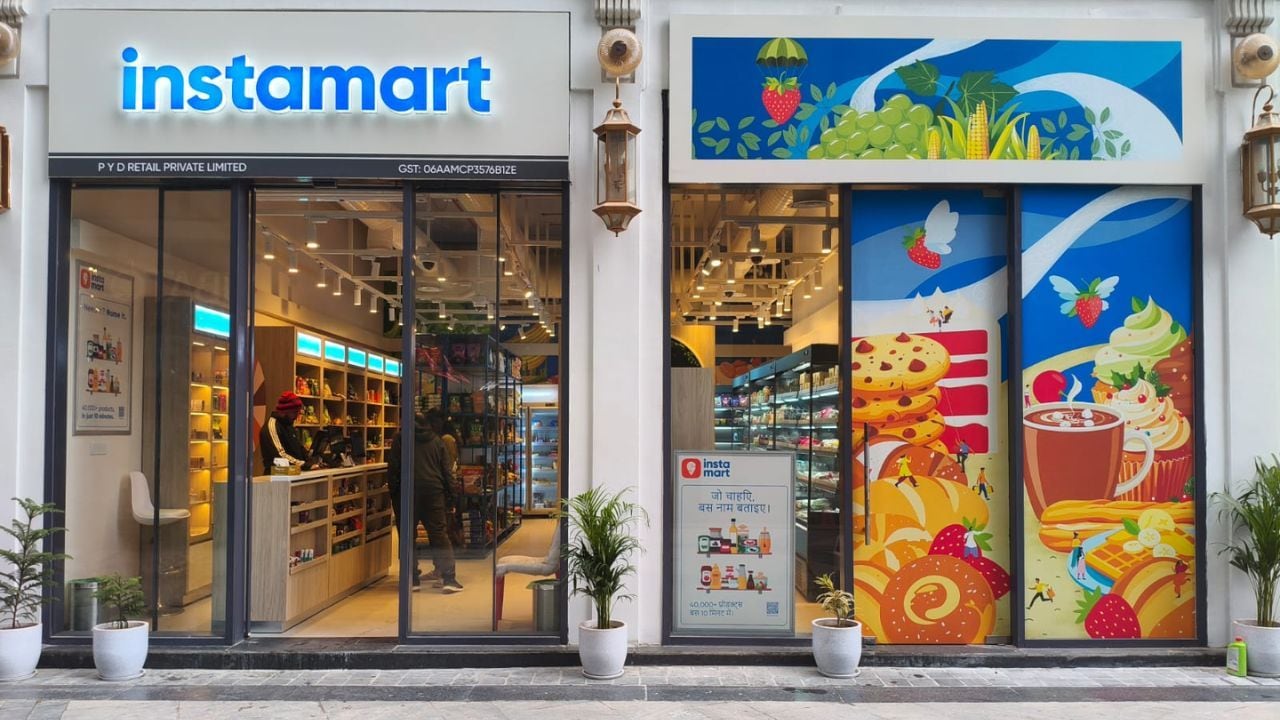
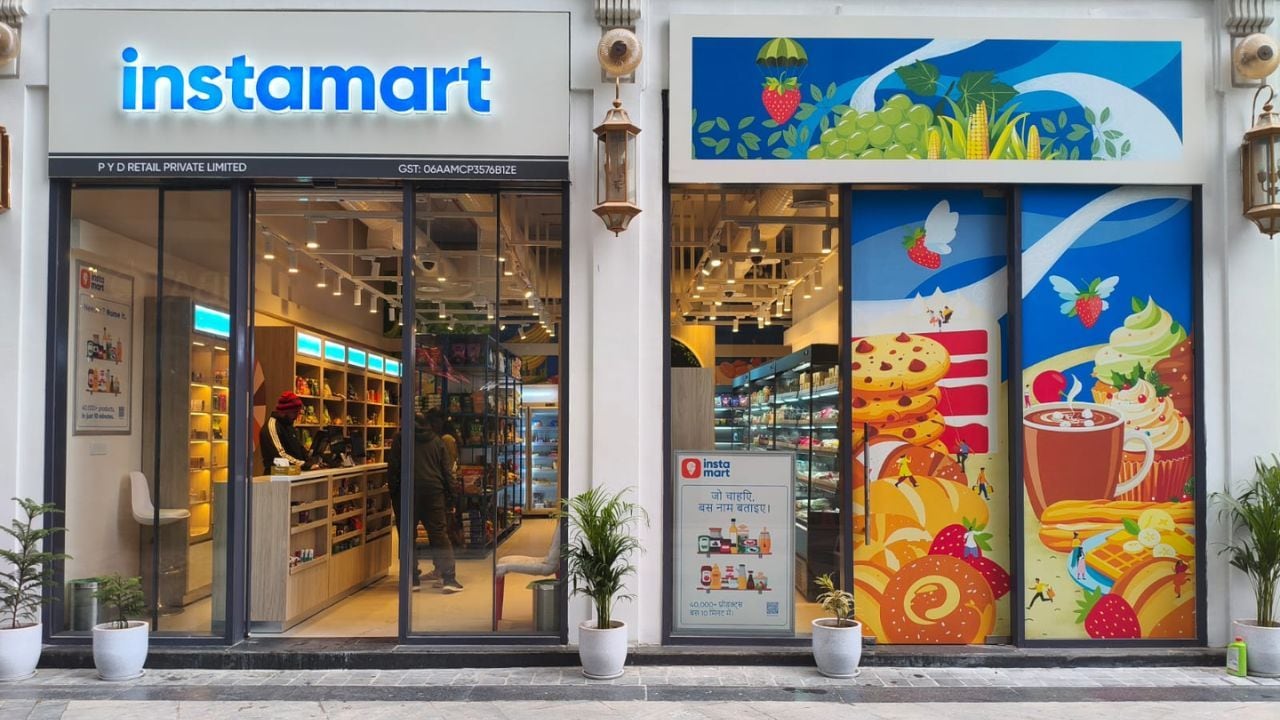
 A First-of-Its-Kind Instamart Experience
The Bengaluru-based company has branded the Gurugram outlet as an Instamart experiential store. Unlike traditional retail outlets, the store is designed to give customers a “touch and feel” experience of a limited range of products that are otherwise ordered online and delivered within minutes.
According to people aware of the development, the store is compact, measuring around 400 square feet. This is roughly one-tenth the size of a typical Instamart dark store, which usually spans about 4,000 square feet.
How the Offline Model Works
These Instamart-branded experiential stores are expected to be set up in and around residential societies. Similar to Swiggy’s dark store model, the outlets are operated by sellers rather than directly by the company.
Under this arrangement, the proceeds from sales go directly to the sellers. This is a departure from the regular Instamart model, where payments are first routed through Swiggy before being transferred to sellers after deducting the platform’s commission.
Limited SKUs, Focused Categories
The experiential stores will carry a sharply curated inventory. Each outlet is expected to stock around 100 to 200 SKUs, compared to the 15,000 to 20,000 SKUs typically available at Instamart dark stores.
The categories on display mainly include fresh fruits and vegetables, pulses, select daily essentials, new product launches, and direct-to-consumer (D2C) brands. This approach is aimed at discovery rather than bulk purchasing.
Not a Full-Fledged Retail Foray
Despite the offline presence, Instamart’s leadership is said to view the Gurugram store strictly as a pilot. People familiar with the matter said the company has not yet decided whether it will expand the concept to other locations or scale it up nationwide.
For now, the move does not indicate a shift toward an omnichannel retail strategy. Swiggy has also not officially responded to queries regarding future expansion plans for these experiential stores.
Backed by Fresh Capital
The experiment comes shortly after Swiggy raised nearly ₹10,000 crore through a qualified institutional placement (QIP), which reportedly saw strong investor demand. The company has stated that around half of these funds will be used to expand its quick commerce operations.
This fresh capital provides Instamart with the flexibility to test new formats and consumer touchpoints without immediately committing to large-scale structural changes.
What This Means for Quick Commerce
Industry experts believe such experiments reflect a broader trend in quick commerce, where platforms are seeking to blend convenience with trust and product familiarity. Physical interaction with select items can help build confidence, especially for fresh produce and new brands.
As India’s urban consumers become more discerning, the success or failure of such pilots could shape how quick commerce platforms evolve beyond pure speed.