 Defence Ministers Formalise Truce
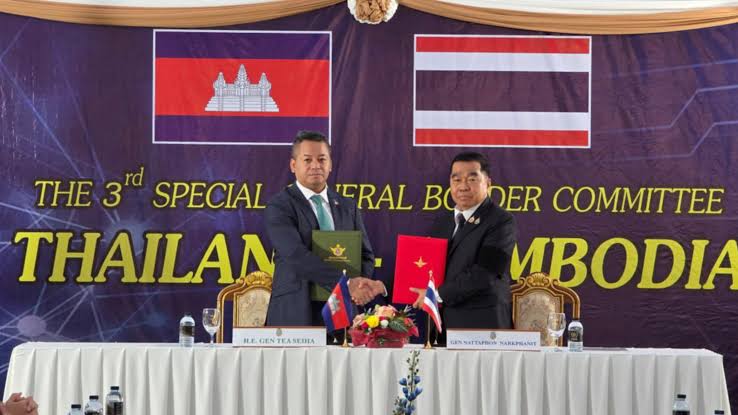
The ceasefire agreement was signed by Thai Defence Minister Natthaphon Nakrphanit and his Cambodian counterpart, Tea Seiha. In the joint statement, both sides committed to maintaining current troop deployments without any further movement or reinforcement along the disputed border.
“Any reinforcement would heighten tensions and negatively affect long-term efforts to resolve the situation,” the statement warned, underlining the fragile nature of the truce. Cambodia’s Defence Ministry shared the agreement publicly through official channels to reinforce transparency and accountability.
Worst Fighting in Years
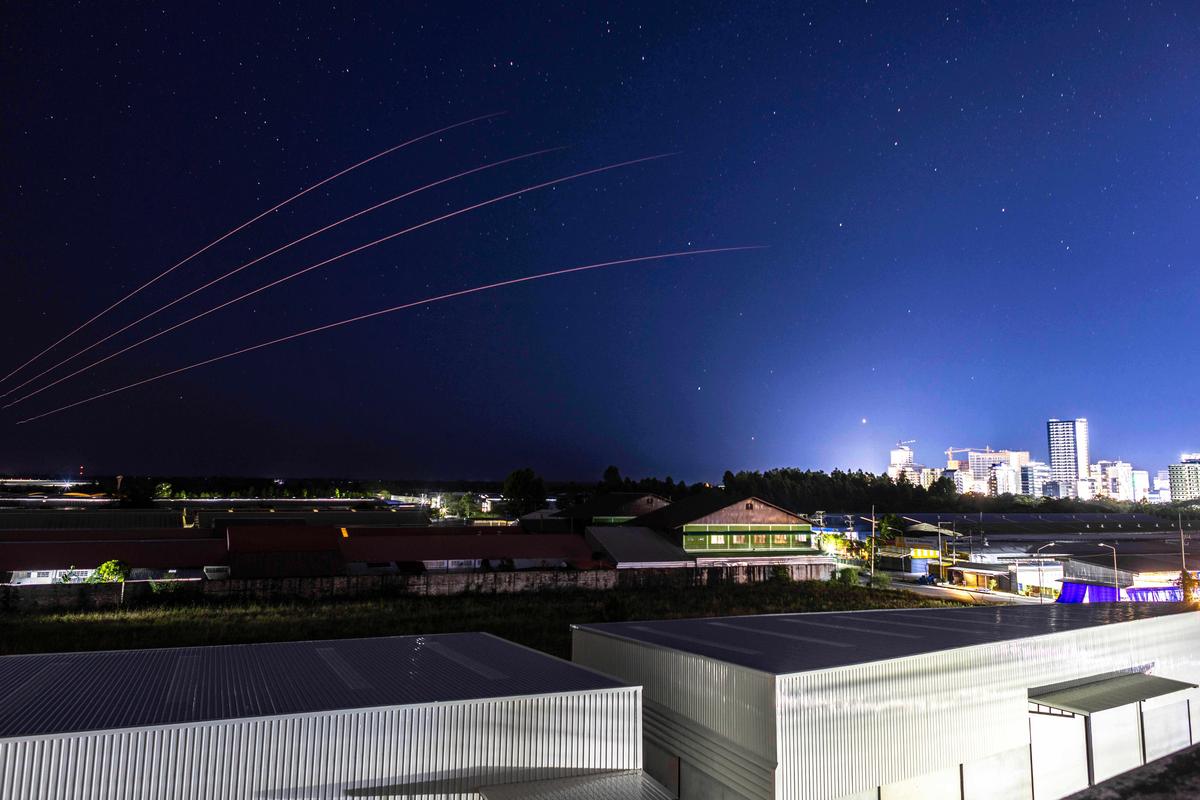
The recent clashes involved the use of heavy artillery, rocket systems, and fighter jet sorties, making them among the most severe military confrontations between Thailand and Cambodia in over a decade. Entire villages near the border were evacuated as shells and rockets landed dangerously close to civilian areas.
According to preliminary assessments, more than 500,000 people were displaced during the fighting, overwhelming local shelters and humanitarian services. Both governments reported damage to infrastructure, farmland, and residential areas, compounding the humanitarian toll.
Roots of the Conflict
The clashes reignited in early December following the collapse of a fragile ceasefire brokered earlier this year. That earlier truce, reportedly facilitated with diplomatic support from the United States, had temporarily ended a similar round of hostilities in July.
Long-standing territorial disputes and unresolved boundary demarcations have periodically triggered tensions between the two countries. Analysts note that domestic political pressures and localised military incidents often escalate rapidly due to the sensitive nature of the border.
Regional and International Concern
The prolonged fighting raised alarm across Southeast Asia, with regional groupings urging restraint and dialogue. Stability along the Thailand-Cambodia border is considered crucial for broader regional security and economic cooperation within ASEAN.
India, which maintains strong diplomatic relations with both nations, has consistently emphasised peaceful dispute resolution and respect for international norms.
Challenges Ahead
While the ceasefire offers immediate relief, experts caution that sustaining peace will require continuous dialogue, confidence-building measures, and mechanisms to prevent accidental escalation. Monitoring compliance on the ground remains a key challenge, particularly in remote and contested areas.
Humanitarian agencies have also called for unhindered access to displaced populations and faster rehabilitation of affected communities. Lessons from similar conflicts underscore that ceasefires, though critical, are only the first step toward lasting peace.
Looking Forward
Both Bangkok and Phnom Penh have signalled willingness to pursue diplomatic channels to address underlying issues. Observers believe that sustained international engagement and regional mediation could help transform the current ceasefire into a durable settlement.
For now, the cessation of hostilities provides a crucial pause, offering civilians a chance to return home and governments an opportunity to reset relations after weeks of violence.