 Wide Participation from Government and Trade Bodies
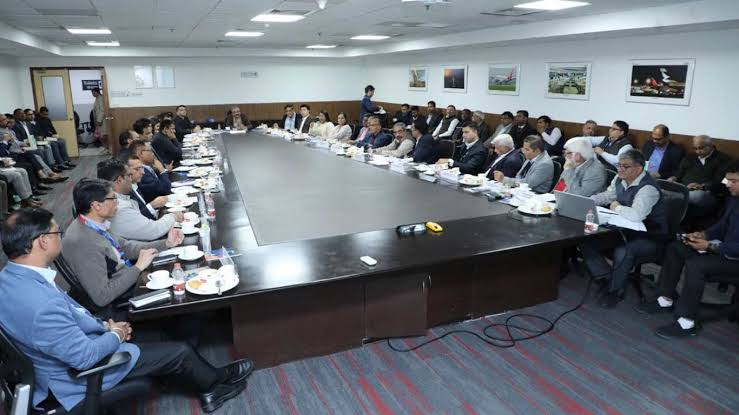
The meeting brought together partner government agencies including the Food Safety and Standards Authority of India (FSSAI), Plant Quarantine authorities, and the Drug Controller. Their presence ensured that regulatory perspectives across multiple domains were represented during the discussions.
Trade associations and industry bodies such as the Customs Broker Fraternity, ASSOCHAM, and the Gem and Jewellery Export Promotion Council (GJEPC) also participated actively. In addition, custodians, importers, exporters, and departmental officers attended, reflecting the diverse stakeholders involved in customs clearance operations.
Focus on Policy and Digital Initiatives
During the deliberations, officials highlighted recent policy measures and digital initiatives introduced by the Central Board of Indirect Taxes and Customs (CBIC). Particular emphasis was placed on their implementation framework within the Delhi Customs Zone and the practical impact on trade facilitation.
Stakeholders were briefed on how technology-driven reforms are intended to simplify procedures, reduce dwell time, and enhance predictability in customs processes. These initiatives form a key pillar of the government’s broader push towards a more efficient and transparent trade environment.
Constructive Dialogue and Actionable Outcomes
Trade representatives raised several operational issues affecting day-to-day clearance processes. These concerns were discussed in a constructive manner, with customs officials and partner agencies engaging openly to identify practical solutions.
The discussions led to actionable outcomes aimed at strengthening facilitation and improving efficiency across various touchpoints. Participants widely appreciated the transparent and collaborative conduct of the meeting, noting that such engagement helps build trust and predictability in customs administration.
Commitment to Ease of Doing Business
Reaffirming its commitment to promoting ease of doing business, the Delhi Customs Zone emphasised that trade facilitation remains a core priority. Officials highlighted that the guiding motto of the Zone is rooted in the principles of transparency, accessibility, and efficiency.
These principles, they noted, are central to ensuring that stakeholders feel empowered to engage openly with the administration and seek timely resolution of issues without unnecessary procedural hurdles.
Transparency, Accessibility and Efficiency as Core Values
Delhi Customs reiterated that transparency in decision-making and accessibility in processes are essential for building long-term confidence among the EXIM community. An open-door approach to dialogue and problem-solving was highlighted as a key enabler of trust.
Officials stressed that efficiency is not limited to faster clearances alone but also includes clarity in communication, consistency in procedures, and responsiveness to stakeholder feedback.
Ease of Doing Business as a Continuous Journey
Looking ahead, the Delhi Customs Zone underscored that ease of doing business is an ongoing journey that requires sustained collaboration among Customs, partner government agencies, custodians, and the trading community.
By institutionalising regular engagement through forums such as the CCFC, Delhi Customs aims to foster a culture of shared responsibility, where challenges are addressed collectively and solutions are implemented efficiently.
Strengthening the EXIM Ecosystem
The outcomes of the CCFC meeting mark another step forward in strengthening the customs clearance ecosystem in the national capital region. Participants expressed confidence that continued dialogue and follow-up on agreed actions will further enhance operational efficiency.
With trade volumes expected to grow, such collaborative platforms are increasingly seen as critical to ensuring that India’s import-export framework remains competitive, predictable, and aligned with global best practices.