 Clean Energy, Dirty Afterlife
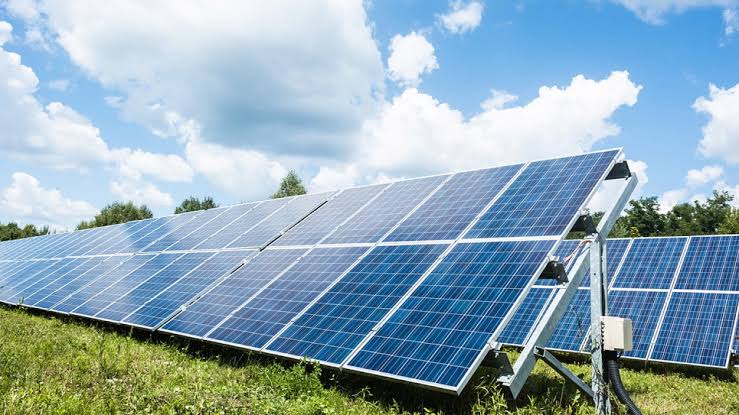
While solar power produces electricity without emissions, solar panels themselves are not environmentally harmless once they reach the end of their life. Panels typically last around 25 years and are made of glass, aluminium, polymers and small quantities of valuable metals such as silver and copper. They can also contain trace toxic substances like lead and cadmium.
If damaged or discarded improperly, these materials can contaminate soil and water. India currently lacks a dedicated national budget and large-scale infrastructure to recycle ageing solar panels, raising concerns about how the country will handle the waste wave that is yet to arrive.
A Waste Wave on the Horizon
India does not maintain official data on solar waste generation. However, independent estimates suggest the country produced around 100,000 tonnes of solar waste by 2023, a figure expected to rise to 600,000 tonnes by 2030. Experts caution that these numbers represent only the early phase of the problem.
A recent study by the Council on Energy, Environment and Water (CEEW) estimates that India could generate more than 11 million tonnes of solar waste by 2047. Managing this volume would require nearly 300 recycling facilities and investments of around $478 million over the next two decades.
Policy Gaps and Enforcement Issues
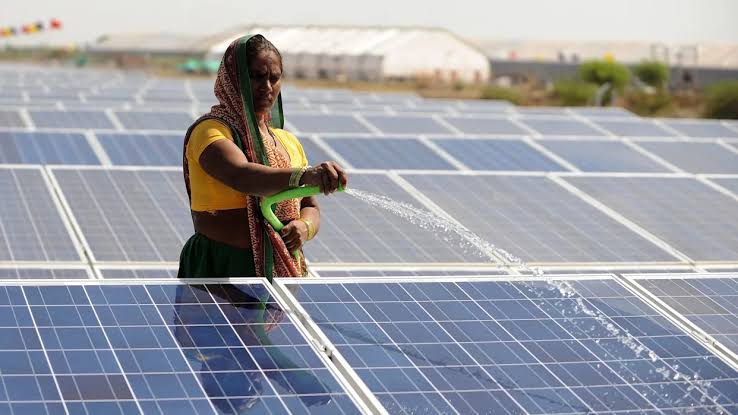
In 2022, India included solar panels under its electronic waste management rules, making manufacturers responsible for collecting and recycling panels at the end of their life. However, experts say enforcement remains uneven, especially for rooftop and small-scale systems that account for 5–10% of installations.
These decentralised systems are harder to track and often end up in landfills or with unregulated recyclers. Unsafe dismantling practices can release hazardous materials into the environment, undermining the environmental benefits of solar power.
Opportunity Hidden in the Crisis
Despite the challenges, specialists believe the solar waste issue also presents a major economic opportunity. Efficient recycling systems could recover up to 38% of materials from discarded panels by 2047, significantly reducing the need for fresh mining and cutting carbon emissions.
India already has established markets for glass and aluminium recycling. With better technology, valuable materials such as silicon, silver and copper can also be recovered and reused in new panels or other industries, experts say.
The Road Ahead
Environmental experts warn that the next decade will be crucial for India’s solar ambitions. Building a regulated and self-sustaining recycling ecosystem, raising household awareness and integrating waste collection into solar business models are essential steps.
“Solar power offers clean energy for two decades, but without a serious recycling plan, it risks leaving behind mountains of waste,” an environmental expert noted. Without timely action, India’s clean energy success today could become tomorrow’s environmental burden.