 From Shell to Soil: Coastal Cities Lead the Way
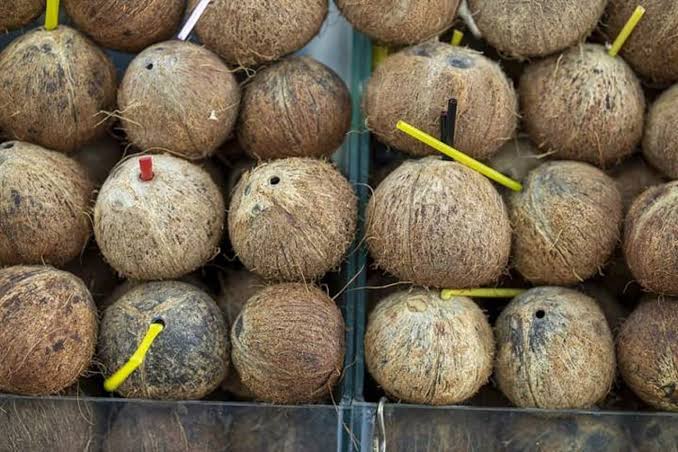
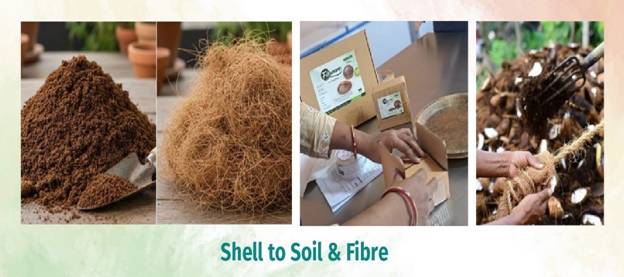
Coconut waste, once a major contributor to landfill accumulation in tourist-heavy coastal cities, is now being converted into coir fibers for ropes and mats, and cocopeat for organic farming. Cities such as Bengaluru, Mysuru, Mangaluru, Chennai, Kochi, and Thiruvananthapuram have established Material Recovery Facilities (MRFs) to ensure 100% recycling. Religious hubs like Puri, Varanasi, and Tirupati process temple-generated coconut waste, ensuring that no shell is left behind.
Economic and Global Impact
India’s coconut sector has become a major contributor to both domestic livelihoods and exports. With production exceeding 21,000 million units in 2023–25, states like Kerala, Tamil Nadu, Karnataka, and Andhra Pradesh supply nearly 90% of the nation’s coconuts. The global coconut coir market is valued at USD 1.45 billion (~₹12,000 crore), with India holding over 40% of production. Rising international demand for cocopeat in soilless farming, particularly in Europe and the US, is generating export growth of 10–15% annually.
Innovative City-Level Models
In Bhubaneswar, the Palsuni plant collects 5,000–6,000 coconuts daily from 189 temple vendors, producing over 48 metric tonnes of cocopeat compost and 7,500 kg of coir fibers monthly, generating ₹7–9 lakh in revenue. Kerala’s Kunnamkulam Green De-Fibering Unit converts coconut husks into odor-free compost, providing local farmers with income while creating green jobs. Chennai’s PPP units at Kodungaiyur and Perungudi have processed over 1.15 lakh metric tonnes of coconut waste since December 2021.
Government Support and Employment Generation
Under SBM-U 2.0, the Centre provides 25–50% financial assistance for waste-processing units, while the Coir Udyami Yojana offers 40% subsidies for micro and small enterprises. Approximately 7.5 lakh people, 80% women, are employed in SHG-led units. With 15,000+ coconut processing units nationwide, cities are ensuring that 90% of coconut waste is diverted from landfills, fostering circular economy practices, sustainability, and rural-urban income generation.