 Trump’s Message to Tehran
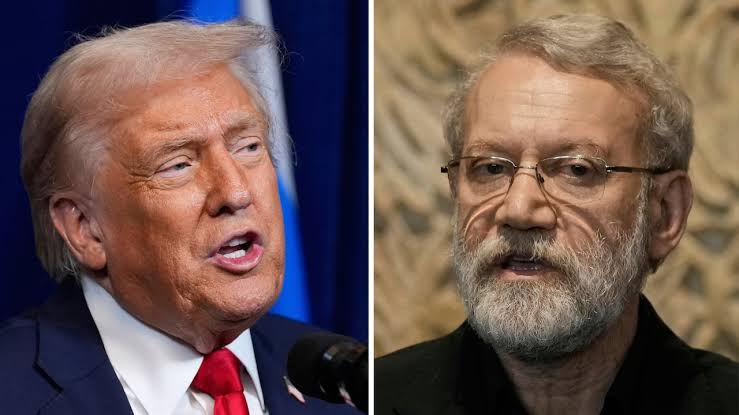
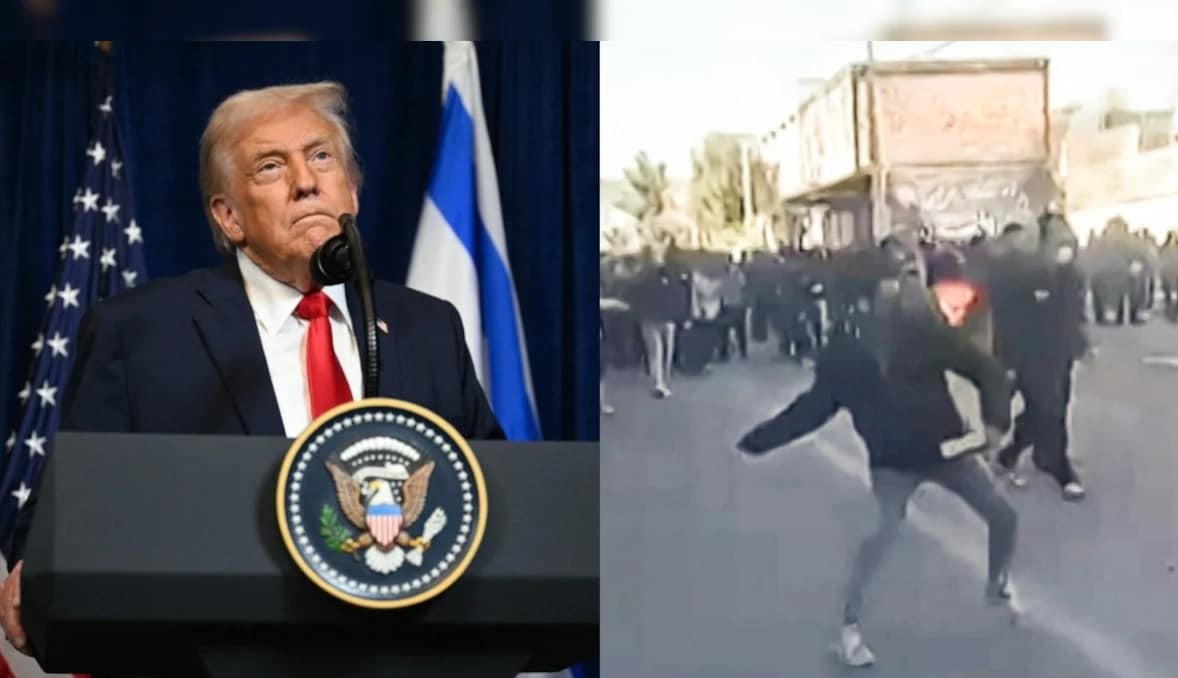
In a post on his Truth Social platform, Trump accused Iranian authorities of routinely using violence against civilians. He warned that if peaceful protesters were killed, the United States would intervene diplomatically and politically to support them.
“We are locked and loaded and ready to go,” Trump wrote, framing his message as a warning rather than a declaration of military action. The statement immediately drew international attention, underscoring rising global concern over Iran’s internal stability.
Protests Triggered by Economic Collapse
The protests began in Tehran’s historic bazaars after Iran’s currency, the rial, plunged to record lows, sharply driving up food prices, fuel costs, and basic living expenses. Shopkeepers, traders, and daily wage workers were among the first to strike, shutting markets and chanting anti-government slogans.
Within days, the unrest spread to major cities including Shiraz, Isfahan, Kermanshah, and Fasa, as well as several rural provinces. Student groups, pensioners, and industrial workers soon joined the demonstrations, turning local protests into a nationwide movement.
Deaths, Arrests, and Security Crackdown
At least seven people have been reported killed so far, according to regional and international media, though independent verification remains difficult due to restrictions on journalists and internet access. Security forces, including riot police, were deployed across major cities to disperse crowds.
Videos circulating online showed clashes between protesters and security personnel, with chants such as “Death to the Dictator” and “Death to Khamenei” echoing through streets. Authorities have not released official casualty figures but confirmed multiple arrests.
Iranian Leadership Responds
President Masoud Pezeshkian acknowledged growing public anger and said the government was listening to what he described as “legitimate demands.” He cautioned, however, against what he termed attempts to exploit economic grievances to destabilize the state.
In response to the unrest, Iranian authorities announced economic adjustments, including appointing a new central bank chief and promising tighter oversight of currency markets. Universities and public institutions were placed under heightened security as a preventive measure.
Echoes of 2022 Protests
Analysts say the current unrest reflects unresolved frustrations from previous protest movements. While the 2022 demonstrations were triggered by social and civil rights issues, the present wave is rooted in economic desperation and declining living standards.
Soaring inflation, water shortages, job losses, and years of international sanctions have compounded public anger. Observers warn that economic protests often prove harder to contain, as they cut across social and political lines.
Global Reactions and Indian Perspective
Governments worldwide are closely monitoring developments in Iran due to their potential impact on global energy markets and regional stability. India, which maintains diplomatic and economic ties with Iran, has historically urged restraint and dialogue during periods of unrest.
What Lies Ahead
As protests continue, the Iranian government faces a delicate balancing act between enforcing security and addressing deep-rooted economic grievances. Trump’s warning adds an external dimension to an already volatile situation.
Whether the unrest subsides through reforms or escalates into prolonged confrontation will depend largely on how authorities respond in the coming days. For now, Iran remains on edge, with its streets reflecting a nation grappling with economic pain and political uncertainty.