The programme blends historical lessons, contemporary security pressures, and long-term industrial ambition into one of the most consequential naval acquisitions in decades.
 What is Project-75I and why it matters
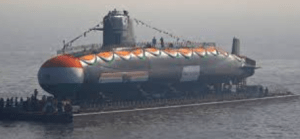
Project-75I is the Indian Navy’s flagship initiative to induct six advanced diesel-electric submarines equipped with fuel-cell-based air-independent propulsion (AIP), modern sensors, torpedoes, and missile systems.
The Ministry of Defence issued the Request for Proposal in July 2021 under the Strategic Partnership Model, placing strong emphasis on technology transfer and indigenous construction.
Unlike earlier submarine projects, Project-75I is designed to create a sustainable domestic ecosystem for submarine building.
For the Indian Navy, the urgency is real. Its conventional submarine fleet is ageing at a time when undersea activity in the Indian Ocean is steadily increasing.
Why Germany’s Type-214NG was chosen
Defence sources indicate that the Indian Navy has selected Germany’s Type-214 Next Generation submarine, edging out Spain’s S-80 Plus.
The decision was driven largely by the maturity of the German AIP system, proven acoustic stealth, and lower lifecycle risks.
AIP technology allows submarines to remain submerged for weeks without surfacing, drastically reducing detection.
In modern undersea warfare, endurance and silence are decisive advantages, particularly in contested waters.
Make in India at the core
All six submarines under Project-75I will be built in India at Mazagon Dock Shipbuilders Limited (MDL), with Germany’s ThyssenKrupp Marine Systems acting as the design authority.
Indigenous content is expected to begin at around 45 percent and rise to nearly 60 percent by the final vessel.
MDL’s experience from constructing the Scorpène-class submarines under the earlier Project-75 played a key role in its selection as the strategic partner.
The Ministry of Defence has repeatedly stressed that the programme is as much about technology absorption as it is about acquiring platforms.
Pakistan, Karachi and sea denial logic
India’s focus on undersea power is rooted in historical experience. During the 1971 war, Indian naval operations crippled Karachi port, severely disrupting Pakistan’s logistics and energy supplies. That lesson remains relevant today.
During heightened tensions in May 2025, India’s ability to credibly threaten Pakistan’s maritime lifelines underscored the deterrent value of naval power. Submarines with extended underwater endurance would significantly sharpen this leverage.
China’s growing undersea presence
China’s rapidly expanding submarine fleet has become a major concern for Indian planners.
The People’s Liberation Army Navy has increasingly deployed submarines into the Indian Ocean, while also assisting Pakistan in upgrading its undersea capabilities.
Project-75I is intended to restore balance by providing India with a persistent and survivable undersea capability suited for monitoring choke points and conducting sea-denial operations.
Long-term strategic impact
Once inducted, the Type-214NG submarines will significantly enhance India’s ability to conduct covert surveillance and precision strike missions.
Equally important is the industrial legacy, as Project-75I is expected to serve as a bridge toward the future indigenous Project-76 submarines.
From the burning docks of Karachi in 1971 to the silent depths of the Indian Ocean today, India’s maritime strategy is evolving through capability, indigenisation, and strategic foresight.