India Clears Proposal to Acquire 114 Rafale Jets from Dassault
Next Steps for the Rafale Deal
The Ministry of Defence will review the proposal in the upcoming Defence Acquisition Council meeting. Reports suggest the deal may be formalized when Prime Minister Modi meets French President Emmanuel Macron in February 2026. The acquisition is part of the Indian Air Force’s broader plan to expand and modernize its fleet efficiently.
Coexistence with Indigenous Fighter Programs
The Rafale jets will complement India’s indigenous fighter programs, including the fifth-generation Advanced Medium Combat Aircraft (AMCA) and Tejas Mark-2. Defence officials have clarified that the Rafale acquisition will not impact production schedules or budgeting for domestic jets, including the 180 Tejas Mark-1A aircraft currently under production at Hindustan Aeronautics Limited (HAL).
 Why Additional Rafales?
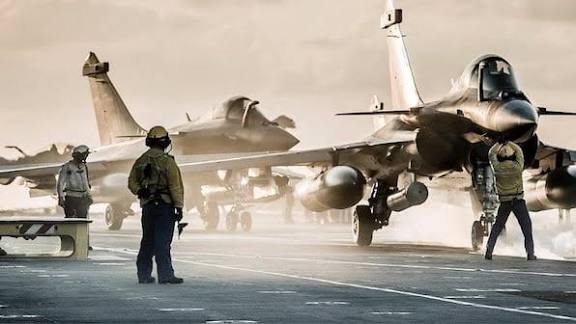
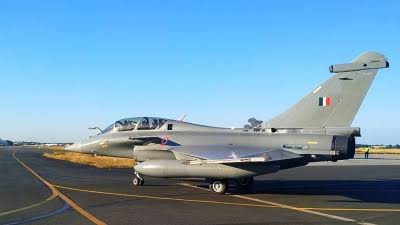
The IAF currently operates 36 Rafales, while the Indian Navy has ordered 26 naval variants. Acquiring more jets will improve operational readiness and lower maintenance costs. The IAF already possesses the required infrastructure, trained personnel, and spare parts to accommodate two full squadrons, approximately 36–38 aircraft. A Rafale flight training and Maintenance, Repair, and Overhaul (MRO) facility is operational at Ambala Air Force Base.
Make in India & Technology Transfer
The jets will be produced under the “Make in India” initiative. Dassault Aviation, now majority-owned in its joint venture with Reliance Infrastructure (Dassault Reliance Aerospace Limited, DRAL), will integrate Indian weapons systems, missiles, and ammunition into all 114 aircraft. Technology transfer for airframes, engines (Safran), and avionics (Thales) will ensure indigenous content reaches 55–60% once fully implemented.
Strategic and Operational Impact
Defence analysts note that expanding the Rafale fleet strengthens India’s deterrence capabilities and modernizes the IAF’s airpower. The jets will operate seamlessly with Indian radar and ground control systems via secure data links. This combination of French technology and Indian integration supports long-term sustainability of India’s fighter fleet.