 Current Space Debris Situation
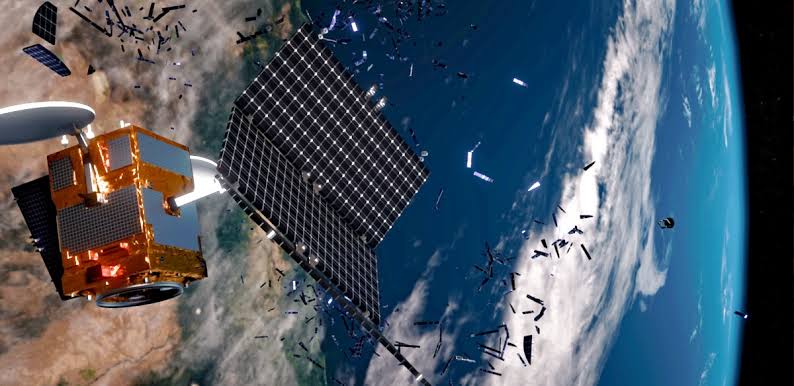
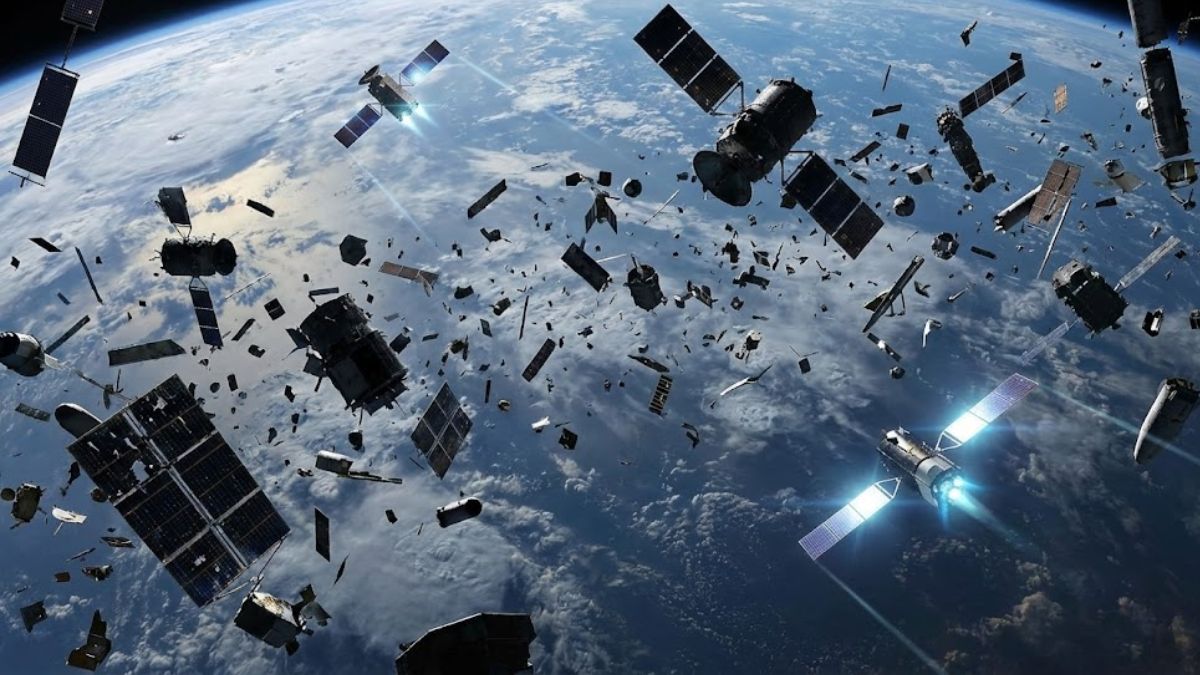
There are currently approximately 12,000 active satellites, with expectations of over 40,000 by the early 2030s. Even small fragments of metal can damage spacecraft, as evidenced by a chip found in the International Space Station window caused by a tiny debris fragment.
ESA’s Zero Debris Charter
The European Space Agency has launched the Zero Debris Charter, a global initiative targeting a cleaner orbit by 2030. The charter focuses on six main goals: preventing new debris, safely de-orbiting satellites, avoiding explosions in space, enhancing tracking, mitigating risks for humans, and maintaining long-term orbital health.
Technologies for Cleanup
- Self-destruct systems for new satellites to burn up after mission completion.
- On-orbit repair, refueling, and upgrading of existing satellites.
- Active debris removal using robotic arms, nets, harpoons, or lasers.
- Advanced tracking systems to monitor and predict potential collisions.
Global Cooperation and Economic Implications
NASA and other space agencies are strengthening regulations, while private companies are designing safer satellites and tracking debris. Space debris poses economic risks, with potential global damages reaching USD 200 billion if collisions disrupt GPS, communication, and weather satellites. Annual losses could exceed USD 1 billion by 2030 if unaddressed.
The Road Ahead
With thousands of satellites planned for launch, governments and space agencies must act quickly. Key priorities include increased funding for debris cleanup, stricter operational rules, and improved data sharing among nations. The next decade will be critical in maintaining space safety and usability.