 Safeguard Duty Alters Market Dynamics
The recent safeguard duty imposed by New Delhi on steel imports has reduced the flow of cheaper overseas material, particularly from East Asian markets. This has helped domestic producers stabilise prices after months of margin pressure caused by excess imports.
Industry executives say the duty has restored confidence among steelmakers, allowing them to pass on higher prices without facing immediate resistance from buyers. Lean inventories at distributor levels have further supported price increases.
India’s Ministry of Commerce and Industry has maintained that safeguard measures are necessary to protect domestic manufacturing from sudden import surges.
Construction Demand Picks Up
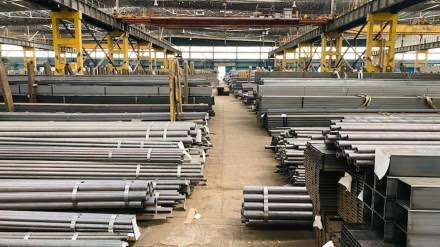
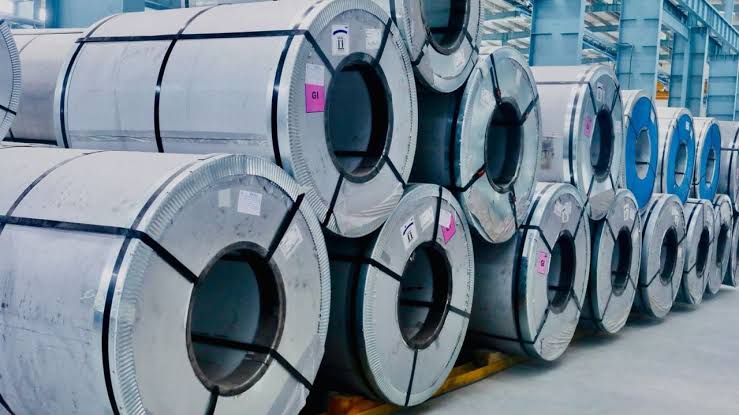
Steel demand has shown visible improvement with the resumption of construction activity after seasonal slowdowns. Infrastructure projects, real estate developments and public works have started consuming higher volumes of flat and long steel products.
Market participants note that government-led infrastructure spending, combined with private sector housing projects, has lifted steel offtake. This recovery has come at a time when mills are operating with disciplined production levels.
Analysts believe that continued momentum in roads, railways and urban infrastructure will remain a key driver of steel consumption through the current quarter.
Inventories Remain Tight
One of the major factors enabling the price hikes has been low inventory levels across the supply chain. Stockists and service centres had reduced holdings during the previous period of weak demand, leaving little buffer as consumption rebounded.
With limited imported material entering the market due to higher duties, domestic mills have found themselves in a stronger negotiating position. Buyers, facing immediate requirements, have been willing to accept higher prices.
Outlook for Steel Prices
While steelmakers have succeeded in pushing through back-to-back hikes, industry watchers caution that sustainability will depend on demand continuity and global price trends. Any sharp slowdown in construction or a surge in global supply could temper further increases.
However, in the near term, sentiment remains firm. Mills are expected to focus on margin recovery after absorbing high input costs over the past year.
Industry Watching Policy Signals
Market participants are also closely tracking policy signals from New Delhi, particularly on the duration of the safeguard duty. Any extension could further support domestic prices, while an early rollback may revive competitive pressure.
For now, steelmakers appear cautiously optimistic as demand visibility improves and policy support remains intact.