 Study Design and Participants
The randomized, double-blind, placebo-controlled trial was conducted by researchers from the Netherlands, Spain, and the United Kingdom. It involved 56 healthy male and female sub-elite team sport athletes competing in rugby, football, and water polo.
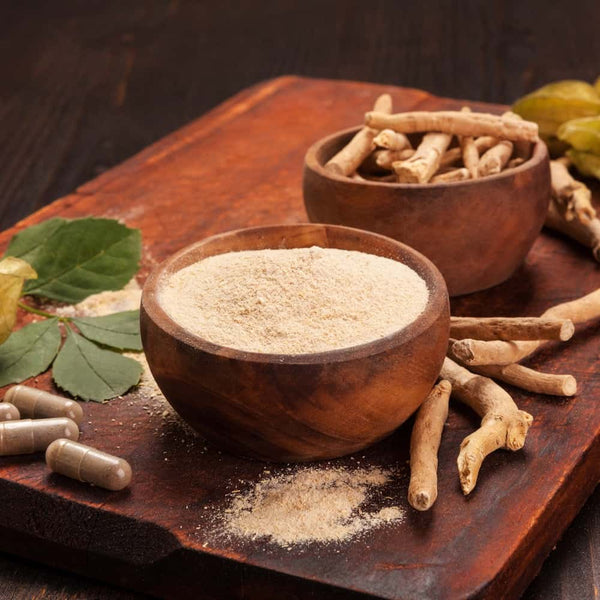
Participants were recruited from a professional sports academy in Barcelona and were evenly distributed by sex. Over a six-week period, athletes received either 600 mg per day of KSM-66 ashwagandha, a branded root extract developed by Ixoreal Biomed, or a visually matched placebo.
Why Pre-Season Training Matters
Pre-season training is widely recognised as one of the most stressful phases of an athlete’s annual cycle. High training loads, intense conditioning drills, and frequent collisions place significant strain on the body’s neuromuscular and hormonal systems.
These stressors activate the hypothalamic–pituitary–adrenal (HPA) axis, increasing the secretion of cortisol and cortisone. Elevated stress hormones have been linked to fatigue, disrupted sleep, impaired muscle repair, and a higher risk of overtraining and injury.
Measuring Stress, Recovery, and Performance
Researchers assessed salivary cortisol and cortisone levels, perceived recovery, muscle strength, and aerobic fitness at the beginning and end of the study. Saliva samples were collected after training sessions to capture real-world stress responses.
Muscle strength was evaluated using handgrip tests, one-repetition maximum lifts, jump assessments, and pull-up performance. Aerobic fitness was measured using a shuttle run test, while recovery perception was recorded through a validated questionnaire.
Key Findings: Different Benefits for Men and Women
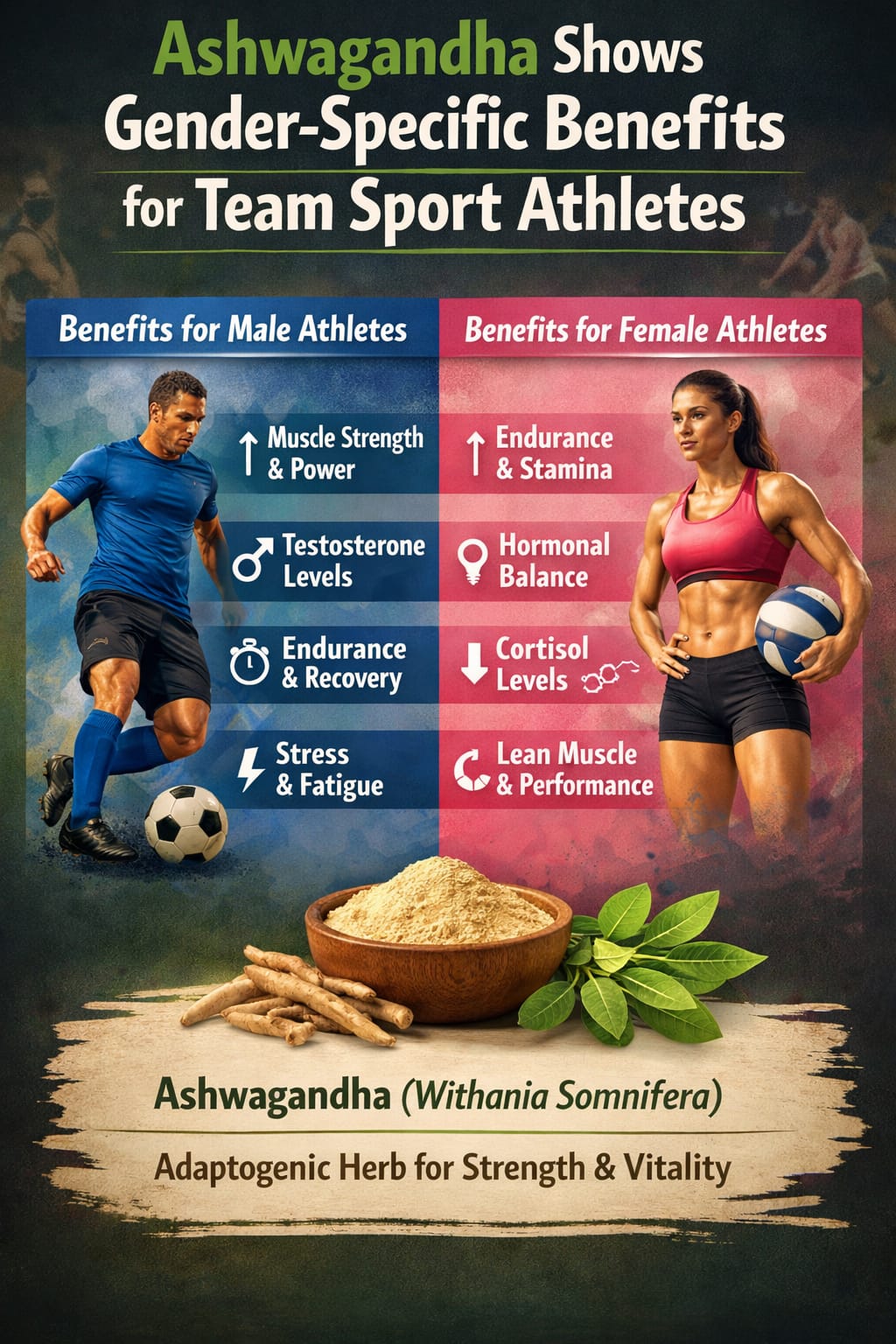
The results revealed clear sex-specific differences. Among female athletes, cortisol levels rose significantly in the placebo group over the pre-season period. In contrast, women who took ashwagandha showed no such increase, suggesting improved regulation of stress hormones.
Female athletes in the ashwagandha group also reported significant improvements in overall recovery, reduced muscle soreness, and lower fatigue levels. No comparable improvements in perceived recovery were observed among male participants.
Strength Gains Observed in Male Athletes
While recovery benefits were more pronounced in women, male athletes experienced a different advantage. Men who supplemented with ashwagandha demonstrated a significant increase in countermovement jump height, an indicator of lower-body power.
In male placebo participants, cortisone levels increased significantly over the pre-season, whereas levels remained stable in those receiving ashwagandha. This suggests a protective effect against stress-related hormonal fluctuations.
Why Responses May Differ by Sex
The researchers noted that although the study was not specifically designed to investigate sex differences, the observed variations are consistent with known physiological distinctions. Hormonal profiles, muscle mass, neuromuscular function, and training history may all influence how athletes respond to supplementation.
Previous research indicates that women often exhibit stronger and more sustained activation of the HPA axis under certain stressors, while men tend to show larger cortisol surges during performance-related stress. These differences may help explain the contrasting outcomes.
Implications for Sports Nutrition
Ashwagandha has long been used in traditional Indian medicine and has gained global recognition for its adaptogenic properties. Clinical trials and meta-analyses have shown that standardized root extracts can lower cortisol, improve well-being, and enhance muscle strength and endurance.
The latest findings suggest that supplementation strategies may need to be tailored based on sex and training goals. Experts say this could influence how sports nutrition products are formulated and recommended in the future.
What Comes Next
The authors emphasised the need for further research to refine dosing strategies, supplementation duration, and timing relative to training load. Long-term and crossover studies could help determine whether the benefits persist throughout the competitive season.
In India, ashwagandha is regulated under the Ministry of AYUSH, which promotes evidence-based use of traditional botanicals.