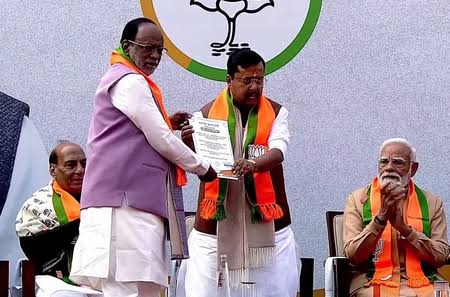
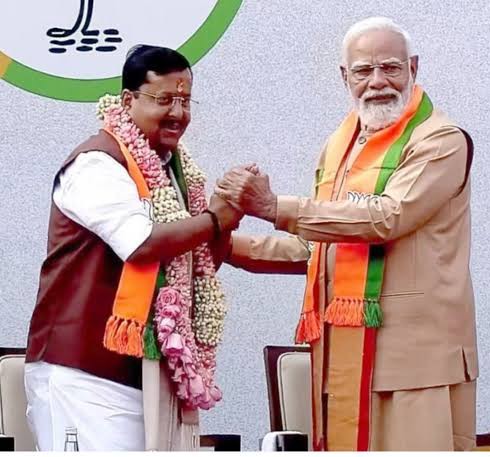
 Nabin, a five-time lawmaker from one of India’s poorest states, was elected unopposed as the party’s 12th president after Prime Minister Narendra Modi and other senior leaders proposed his name. He succeeds J.P. Nadda, 65, and will serve a three-year term.
The oath-taking ceremony at BJP headquarters in New Delhi was attended by hundreds of party workers and leaders, including Modi, who referred to Nabin as his “boss” in party matters. Nabin, in his remarks, praised Modi as a generational leader and urged young Indians to actively participate in politics.
India has over 1 billion registered voters, with more than 40% aged between 18 and 39. The BJP’s appointment of Nabin reflects its strategic effort to appeal to this large, influential demographic.
Strategic Timing Ahead of Elections
The leadership change comes months before crucial state polls, particularly in West Bengal, a state where BJP has never won a majority. Analysts view Nabin’s elevation as an attempt to rejuvenate party strategy and connect with younger voters ahead of these elections.
The party has regained momentum after setbacks in the 2024 general elections, when Modi lost his majority after a decade of single-party rule. Since then, BJP has performed well in state and civic body polls, governing 19 out of India’s 28 states in alliance with partners.
Focus on Youth Engagement
Nabin’s presidency emphasizes youth engagement, digital outreach, and grassroots mobilization. Observers note that the BJP is betting on a generational shift to maintain its political dominance, particularly as younger voters wield increasing electoral influence.
During the event, Nabin reiterated his commitment to Modi’s vision and the party’s core principles, highlighting governance, development, and empowering young Indians to engage with politics actively.
With a leadership term of three years, Nabin will guide the party through critical upcoming elections, focusing on winning new constituencies and consolidating its voter base across India.