 Why Daily Habits Matter More Than People Think
Modern lifestyles often include processed foods, alcohol consumption, reduced social interaction, and increased exposure to synthetic materials. While each habit may appear insignificant in isolation, their cumulative effect can place sustained stress on the heart, hormones, and metabolic systems.
Health experts consistently warn that chronic diseases develop slowly, shaped by years of repeated choices. Dr London’s ranking aims to help people reassess everyday routines that may be undermining long-term wellbeing.
Alcohol Ranked as the Most Harmful Habit
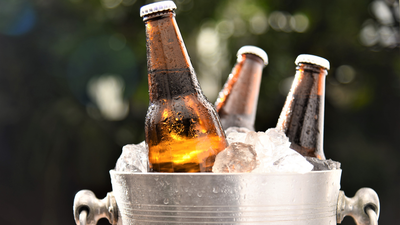
Alcohol topped Dr London’s scale with a score of ten out of ten. He described alcohol as toxic to nearly every cell in the body, affecting far more than just the liver. According to him, no level of alcohol consumption can be considered completely safe.
Long-term alcohol use has been linked to heart disease, high blood pressure, liver disorders, neurological damage, and increased cancer risk. Medical guidance from bodies such as the Indian Council of Medical Research also highlights the need for reduced alcohol intake to prevent non-communicable diseases.
Marijuana Use and Cardiovascular Risk
Regular marijuana use was rated eight out of ten. Dr London cautioned against the widespread belief that marijuana is safe simply because it is plant-based. He pointed to emerging evidence linking chronic marijuana use with increased cardiovascular risk.
He emphasised that substances inhaled or consumed regularly can have long-term effects on heart rhythm, blood pressure, and vascular health.
Processed Meats and Hidden Health Costs
Processed meats such as sausages, hot dogs, and packaged luncheon meats received a rating of five out of ten. These foods often contain nitrates and nitrites, preservatives associated with an increased risk of colon cancer and type 2 diabetes.
While occasional consumption may not pose a major threat, frequent intake can contribute to chronic inflammation and metabolic disorders, doctors warn.
Plastic Cutting Boards and Microplastic Exposure
Plastic cutting boards were also rated five out of ten due to the risk of microplastic ingestion. Dr London noted that repeated knife use can cause tiny plastic particles to enter food over time.
Studies suggest microplastics may interfere with hormonal balance, fertility, and endocrine function. Health experts recommend wooden cutting boards as a safer alternative.
Loneliness: A Silent Health Risk
Chronic loneliness was rated eight out of ten, reflecting its serious but often underestimated impact on health. Research has shown that prolonged social isolation can be as harmful as smoking or obesity.
Humans are inherently social, and lack of meaningful connection has been linked to heart disease, depression, weakened immunity, and shorter life expectancy.
A Reminder, Not a Medical Prescription
Dr London’s rankings are intended to raise awareness rather than replace professional medical advice. Individual health risks vary, and lifestyle changes should ideally be made in consultation with qualified healthcare providers.