 Pressure mounts on interim government
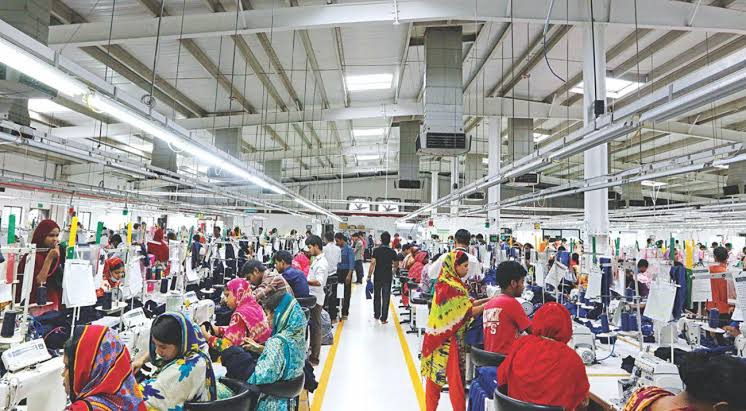
The crisis intensified after Bangladesh’s Ministry of Commerce wrote to the National Board of Revenue (NBR), recommending the withdrawal of the duty-free import facility granted under the bonded warehouse system. The system allows garment exporters to import raw materials, including yarn, without paying customs duties.
Domestic millers argue that while the scheme was designed to support exports, it is being misused, resulting in large volumes of imported yarn entering the local market and undercutting locally produced alternatives.
Indian yarn dominates imports
According to industry estimates, a significant share of duty-free yarn imports into Bangladesh originates from India. Mill owners claim that Indian yarn, entering the country without tariffs, is being sold at prices that domestic producers cannot match due to higher energy, financing and operational costs.
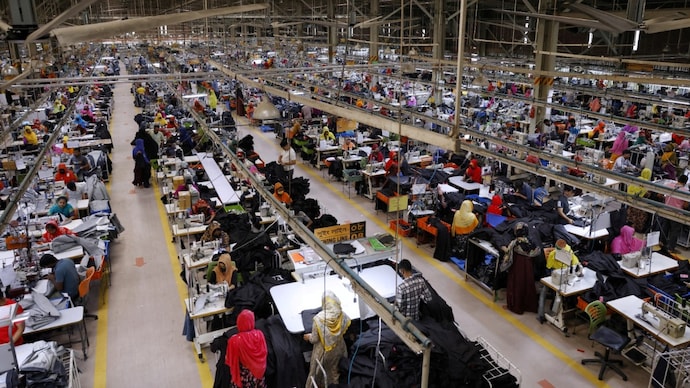
As a result, many spinning units have been forced to scale back production, while several mills have already shut down operations temporarily. Industry bodies warn that without immediate policy intervention, permanent closures and large-scale job losses could follow.
Gas shortages add to industry woes
The pressure on Bangladesh’s textile sector has been compounded by persistent gas shortages, which have disrupted production schedules and increased costs. Millers say unreliable energy supply has reduced capacity utilisation, making it even harder to compete with imported yarn.
Combined with rising interest rates and declining global demand for garments, the industry now faces what leaders describe as one of its most challenging periods in recent years.
Shutdown threat from February 1
Textile mill associations have warned that if the government does not act by the end of January, spinning mills nationwide will shut operations from February 1. Such a move could disrupt the broader apparel supply chain, which is the backbone of Bangladesh’s export-driven economy.
The textile and garment sector employs millions of workers and accounts for the bulk of Bangladesh’s foreign exchange earnings. Any prolonged disruption could have serious economic and social consequences.
Regional trade implications
The standoff also highlights growing trade tensions within South Asia, particularly between Bangladesh and India, which share deep economic ties. India is a major supplier of raw materials to Bangladesh’s garment industry, while Bangladesh remains a key market for Indian textile exports.
Trade experts note that resolving the issue will require a careful balance between supporting export competitiveness and protecting domestic manufacturing capacity.