 Transforming Industrial Waste into Infrastructure
The partnership focuses on valorising steel slag, particularly from Electric Optimization Furnace (EOF) and Ladle Refining Furnace (LRF) processes, into aggregates suitable for bituminous road construction. This initiative not only reduces industrial waste but also lessens dependence on natural aggregates and lowers the carbon footprint of road building, aligning with India’s circular economy and sustainable development goals.
MoA Signing Ceremony and Key Officials
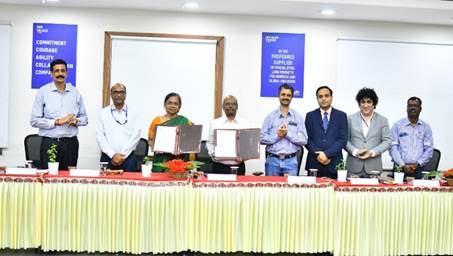
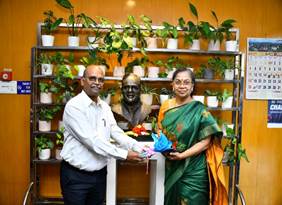
The Memorandum of Agreement (MoA) was signed at JSW Steel Salem Works in the presence of Dr. N. Kalaiselvi, Director General, CSIR and Secretary, Department of Scientific and Industrial Research (DSIR). Dr. Chalumuri Ravi Sekhar, Director, CSIR-CRRI, and Shri B. N. S. Prakash Rao, Executive Vice President and Plant Head, JSW Steel Salem Works, officially exchanged the agreement, marking the project’s commencement.
Senior scientists from CSIR-CRRI, including Dr. Vinod Karar and Mr. Satish Pandey, inventor of Steel Slag Road® technology, were present alongside senior leadership from JSW Steel Salem Works, highlighting the strong institutional commitment to this sustainable infrastructure project.
Project Scope and Expected Impact
The initiative involves laboratory characterization of steel slag, development of customized processing protocols, and construction of a demonstration road near Salem. Long-term performance monitoring will ensure the technology meets durability and safety standards. The project aims to create a replicable model for other steel plants, encouraging broader adoption of steel slag roads across India.
CSIR-CRRI’s Steel Slag Road® technology has already been successfully implemented in several Indian states by major steel producers such as Tata Steel, AMNS India, RINL, Jindal Steel, and Arjas Steel. This marks the first implementation in Tamil Nadu, promoting green technology adoption in public infrastructure projects.
Alignment with National Goals
This initiative contributes to India’s Aatmanirbhar Bharat mission, resource efficiency, and low-carbon infrastructure development. By turning industrial by-products into high-value construction materials, the project supports the country’s circular economy goals while providing a sustainable, cost-effective solution for road construction.
Experts believe the Tamil Nadu project could pave the way for wider adoption of sustainable steel slag roads, providing a model for environmentally responsible infrastructure nationwide.