 What Services Will Be Affected
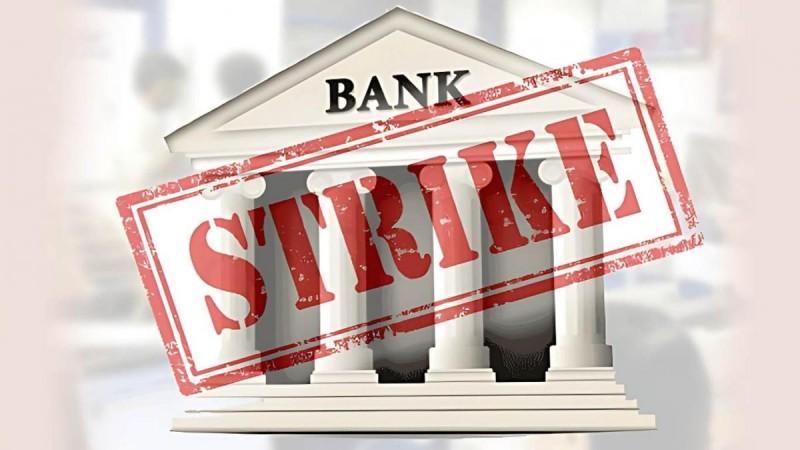
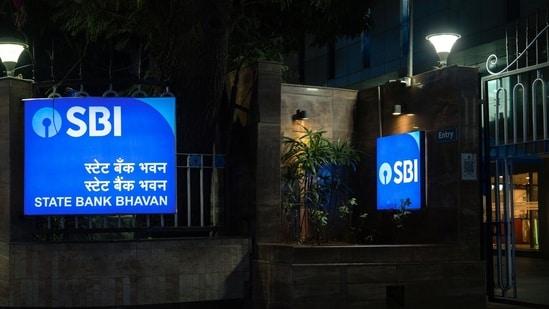
According to union representatives, routine banking operations such as cash deposits, withdrawals, cheque clearing, account-related services, and administrative work are expected to be impacted at public sector bank branches. Major lenders likely to be affected include the State Bank of India (SBI), Punjab National Bank (PNB), Bank of Baroda, and other government-owned banks.
Several public sector banks have already informed stock exchanges about the potential impact of the strike, advising customers to plan their transactions accordingly. SBI, in a regulatory filing, acknowledged that while arrangements have been made to ensure continuity, work may still be affected due to employee participation in the strike.
Private Banks and Digital Services
Private sector banks such as HDFC Bank, ICICI Bank, and Axis Bank are expected to function normally, as their employees are not part of the unions backing the strike. Customers relying on private banks may therefore face minimal disruption.
Digital banking channels including UPI payments, mobile banking apps, and internet banking services are expected to remain operational. However, ATM cash availability may be affected in certain areas due to logistical delays in cash replenishment.
Five-Day Work Week at the Centre of the Dispute
The central demand of the bank unions is the declaration of all Saturdays as holidays, effectively implementing a five-day work week. Union leaders argue that this demand was agreed upon during the 12th Bipartite Settlement signed between UFBU and the Indian Banks’ Association in March 2024, but is yet to receive formal government notification.
Currently, banks operate on the first, third, and fifth Saturdays of every month, a system that unions claim affects employee well-being and productivity.
Unions Defend Strike Decision
All India Bank Employees Association (AIBEA) General Secretary C H Venkatachalam said that the strike was unavoidable after repeated assurances failed to translate into action. He stressed that the unions had engaged in detailed discussions during conciliation proceedings but received no concrete commitment.
Echoing similar sentiments, All India Bank Officers’ Confederation (AIBOC) General Secretary Rupam Roy said the unions had already agreed to work an additional 40 minutes daily from Monday to Friday to compensate for Saturdays. He maintained that the five-day banking model would not result in a loss of man-hours.
Impact on Customers and Economy
With banks remaining closed on January 25 and 26 due to holidays, the strike on January 27 could result in three consecutive days of limited branch banking services. This may affect businesses, traders, and individuals who rely on in-person banking for urgent transactions.
Union leaders have clarified that the protest is not directed against customers but aims to create a more sustainable and efficient banking environment. They argue that a balanced work schedule would ultimately strengthen financial stability and service quality.