 Survey Flags Structural Flaws in MGNREGS
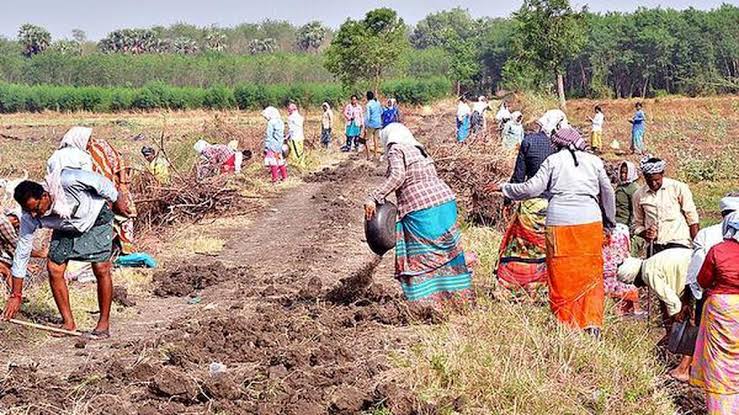
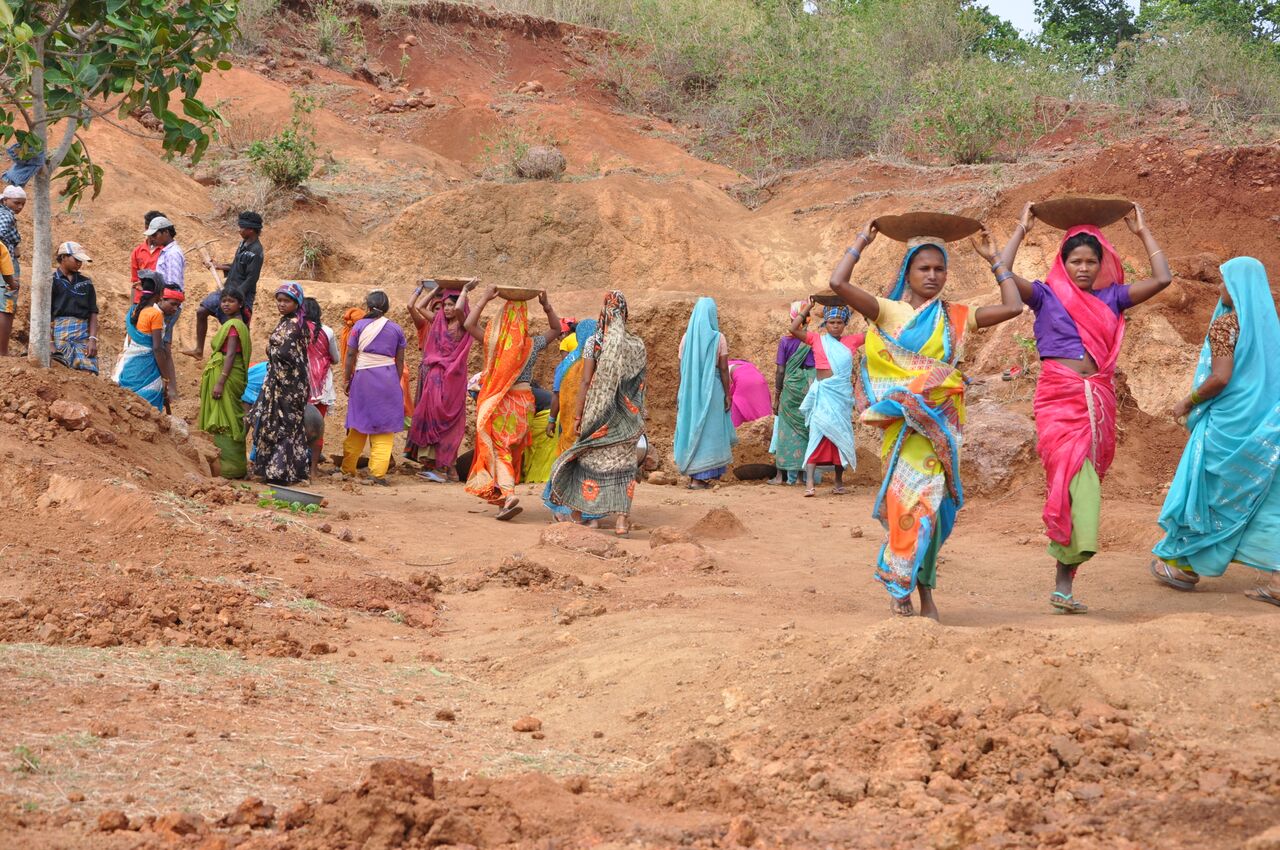
Launched in 2005, MGNREGS played a crucial role in stabilising rural incomes and providing a safety net during periods of agrarian distress, including the COVID-19 pandemic. However, the Survey notes that the scheme has long been plagued by “deep structural issues” that limit its effectiveness in today’s rural context.
Among the key concerns flagged are mismatches between expenditure and actual physical work, instances of work existing only on paper, and the increasing use of machines for tasks meant to be labour-intensive. The Survey also highlights frequent bypassing of digital attendance systems and cumulative misappropriation of funds.
Improved Rural Economy Cited as Key Factor
Citing the latest Rural Economic Conditions and Sentiments Survey (RECSS) by NABARD conducted in November 2025, the Economic Survey points to a broad-based strengthening of rural economic fundamentals.
According to the RECSS, rural India is witnessing robust consumption growth, rising household incomes, improved access to formal credit, lower inflation expectations, and better loan repayment capacity. Satisfaction levels regarding rural infrastructure have also improved markedly.
Another study referenced in the Survey indicates that rural consumption has reached a 17-quarter high, supported by steady growth in both agricultural and non-agricultural real wages.
Sharp Decline in MGNREGS Demand
The Survey underscores a steady fall in demand for MGNREGS employment over the past few years. Person-days generated under the scheme declined from a pandemic-era peak of 389.09 crore in FY21 to 183.77 crore in FY26 (up to December 31, 2025), a drop of over 53%.
This decline, it argues, coincides with a fall in rural unemployment from 3.3% in 2020–21 to 2.5% in 2023–24, suggesting that many rural households are increasingly finding work in non-farm sectors or alternative employment avenues.
Women’s Participation Rose, But Gaps Persist
The Economic Survey acknowledges that women’s participation in MGNREGS rose significantly, from 48% in FY14 to 58.1% in FY25. Despite this, it notes that only a small proportion of households were able to complete the guaranteed 100 days of work, particularly in the post-pandemic period.
The Survey concludes that while MGNREGS transformed rural employment during its early years, its existing architecture has “reached its limits” in addressing the evolving aspirations and realities of rural India.
Opposition, Activists Raise Concerns
The government’s decision has drawn sharp criticism from opposition parties and workers’ unions. Congress president Mallikarjun Kharge has alleged that scrapping MGNREGS would “enslave workers” and weaken rural livelihoods.
Activists argue that the decline in demand was artificially induced through lower budgetary allocations and technological barriers such as mandatory digital attendance, which they say excluded vulnerable workers.
Policy Shift Signals New Rural Strategy
Defending the move, the Survey stresses the need to re-examine employment guarantee programmes in light of changing rural realities. It argues that future interventions must focus on sustainable livelihoods, skill development, and productive asset creation rather than short-term wage support.