 How the Infection Was Identified
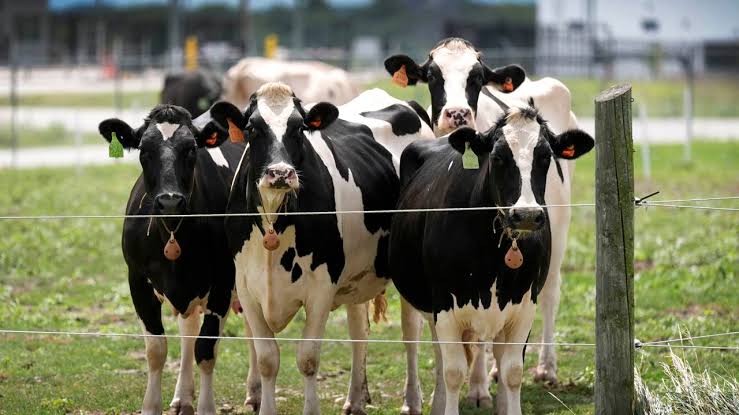
According to the Dutch Ministry of Agriculture, the discovery followed the death of a cat at a dairy farm in Friesland province in December 2025. The cat later tested positive for the H5N1 virus, prompting authorities to conduct precautionary testing of cattle at the same location.
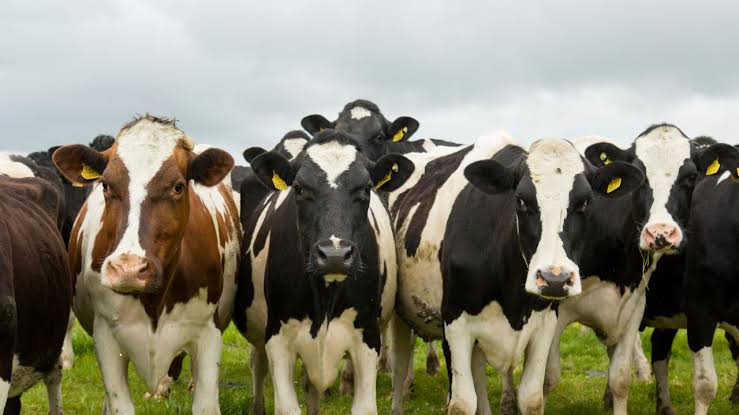
Blood and milk samples were collected from 20 cows on the farm. One cow showed antibodies to avian influenza in its milk, indicating prior exposure, though active virus was not detected. Officials stressed that no additional cows or nearby farms showed signs of infection.
Milk Safety and Human Risk
The affected cow had experienced mastitis and mild respiratory symptoms earlier but was isolated, and its milk was never processed for public consumption. Authorities confirmed that all milk from the farm underwent pasteurisation, a process known to inactivate influenza viruses.
“There is very little chance that virus from the infected cow entered the food chain,” the agriculture ministry said, reassuring consumers about dairy safety. The Netherlands’ food safety systems remain fully operational and vigilant.
Bird Flu’s Expanding Host Range
Avian influenza, particularly the H5N1 strain, traditionally circulates among wild aquatic birds such as ducks and geese and frequently spreads to poultry like chickens and turkeys. Over recent years, however, the virus has shown an increasing ability to cross species barriers.
Cattle infections linked to H5N1 were first documented in the United States in 2024, primarily among dairy herds. Human infections associated with cattle exposure have remained rare and mild, mostly affecting farm workers.
Wider Impact Across Europe
Since October 2025, the Netherlands has recorded multiple outbreaks of avian influenza among poultry farms. More than 1.5 million birds, including chickens, ducks and turkeys, were culled to contain the spread.
The detection of antibodies in cattle adds a new dimension to Europe’s monitoring efforts, though experts emphasise that the case does not indicate widespread transmission among livestock.
Is Bird Flu Dangerous to Humans?
While human infections with H5N1 are uncommon, the virus can cause severe illness in rare cases, particularly following close contact with infected birds or contaminated environments. Symptoms may include fever, cough, breathing difficulties and, in severe cases, pneumonia.
Health authorities in India, where avian influenza outbreaks have occurred periodically, continue to advise strict hygiene, avoidance of contact with sick birds and consumption of properly cooked poultry.
Monitoring and Preparedness
Dutch officials have stated that continuous monitoring will remain in place, particularly in farms where multiple animal species coexist. International agencies such as the World Health Organization and the Food and Agriculture Organization are also tracking developments closely.
For now, experts agree that the discovery underscores the importance of early detection and surveillance rather than signalling an immediate public health emergency.