 Drivers as Owners, Not Contractors
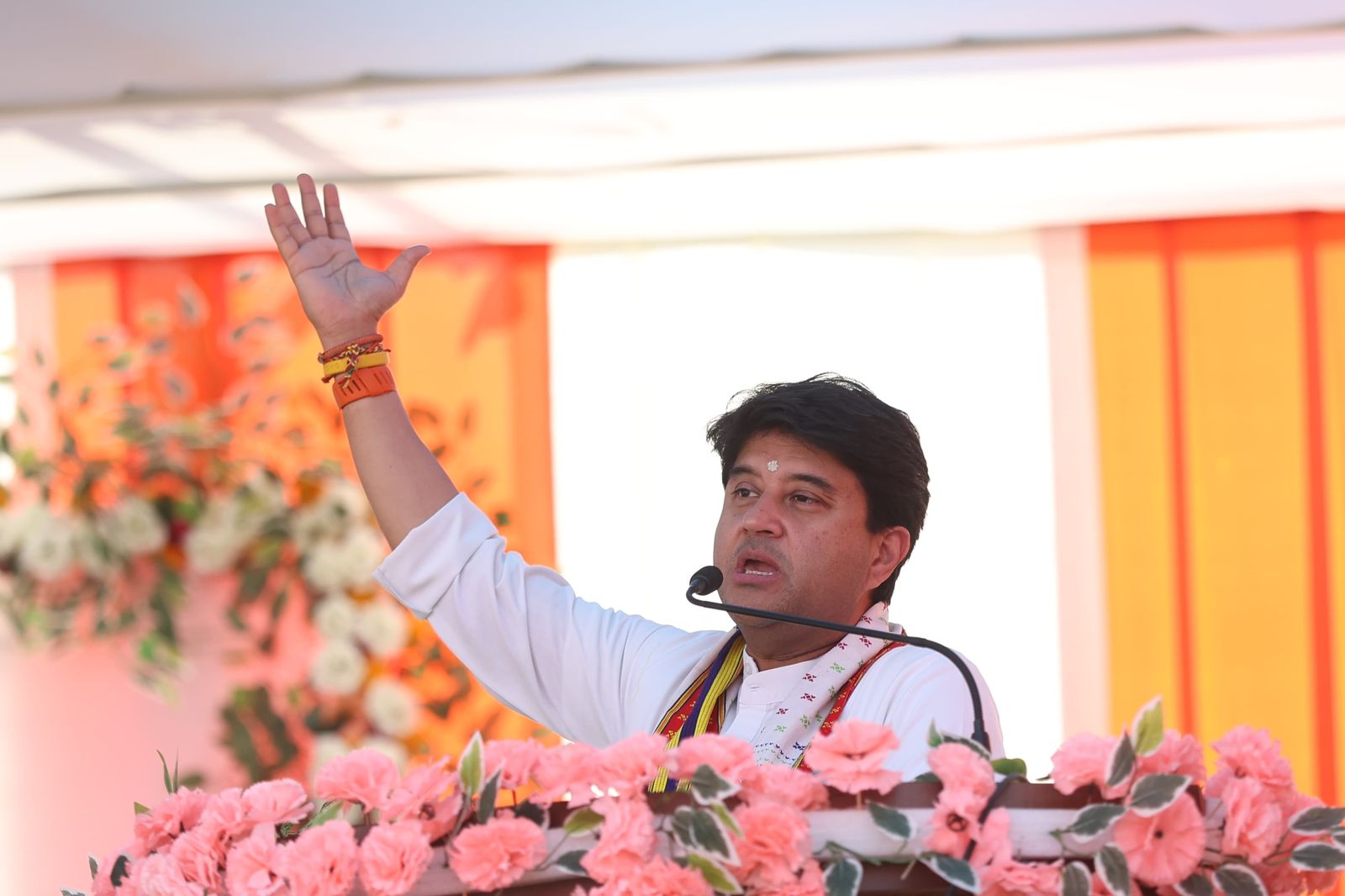
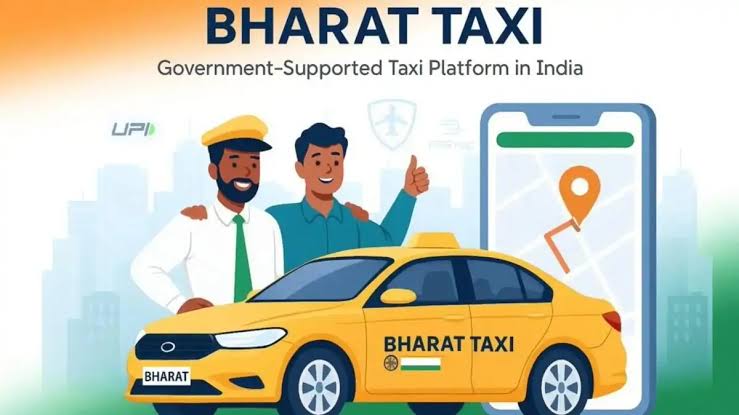
Addressing the gathering, Shri Amit Shah emphasized that Bharat Taxi is not a government-run service but a cooperative-driven platform where drivers are the real owners. Each Sarathi becomes a shareholder with a maximum share capital of just ₹500, ensuring that ownership remains inclusive and accessible.
Unlike conventional app-based taxi platforms, Bharat Taxi will not deduct any commission from drivers’ earnings. Payments made by passengers will be transferred directly and instantly into the Sarathi’s bank account. The platform’s objective, Shah said, is not corporate profit maximization but income enhancement for its driver-owners.
Inspired by India’s Cooperative Success Stories
Drawing parallels with successful cooperative institutions such as Amul, IFFCO, and KRIBHCO, the Union Minister highlighted how small individual contributions can build large, people-owned enterprises. He said the cooperative model has already transformed millions of lives in India and is now ready to expand into newer sectors like urban transport.
Under the governance structure, Sarathis will elect their representatives to the Board every five years, ensuring participatory decision-making and accountability—an aspect described as the “soul of cooperation.”
Strong Focus on Women’s Safety
A key feature of Bharat Taxi is its emphasis on women’s safety and dignity. The platform will introduce a ‘Sarathi Didi’ option, enabling women passengers to choose rides exclusively driven by women Sarathis. This feature is expected to offer safe, affordable, and respectful travel options, particularly for short urban commutes.
The Bharat Taxi app is also equipped with SOS alerts, real-time ride monitoring, and a multi-level grievance redressal system. Dedicated helplines and assistance centers have already been established in Delhi-NCR, with nationwide expansion planned.
Rapid Adoption and Strategic Partnerships
Within just eight months of pilot operations in Delhi and Gujarat, Bharat Taxi has recorded faster onboarding of drivers and passengers than any other taxi service in comparable timelines. In Delhi-NCR alone, over 2.5 lakh drivers and 8.5 lakh passengers have joined the platform.
The cooperative has signed Memorandums of Understanding with nine major institutions, including Delhi Traffic Police, DMRC, Airports Authority of India, State Bank of India, and Paytm. These partnerships aim to strengthen airport operations, last-mile connectivity, digital payments, and access to affordable vehicle financing.
Social Security for Gig Workers
All Sarathis associated with Bharat Taxi will be encouraged to register on the e-Shram portal, enabling access to government social security schemes. Registered drivers will be eligible for health insurance coverage of up to ₹5 lakh under Ayushman Bharat and other welfare benefits announced in the Union Budget 2025–26.
Top-performing Sarathis were felicitated during the launch event and provided personal accident insurance and family health cover, reinforcing the platform’s commitment to driver welfare.
Nationwide Expansion Roadmap
Bharat Taxi is currently operational in select cities across Gujarat and Delhi-NCR. However, the government has outlined an ambitious plan to expand the service across all major cities and states within the next three years—from Kashmir to Kanyakumari and from Dwarka to Kamakhya.
Officials believe the cooperative taxi model could redefine India’s gig economy by ensuring fair earnings, dignity of labour, and shared prosperity, while offering passengers a transparent and reliable mobility option.