 Patient History and Timeline of Infection
According to senior scientific officer Sharmin Sultana of the IEDCR, the patient, a woman in her forties, began showing symptoms consistent with Nipah virus infection on January 21. Initial signs included fever, headache, muscle pain, weakness, vomiting, and loss of appetite.
As the illness progressed, the woman developed more severe neurological symptoms such as excessive salivation, confusion, disorientation, and convulsions. Her condition deteriorated rapidly, prompting her referral to a tertiary-level hospital on January 27 after she became unconscious.
Despite medical intervention, the patient could not be saved. Laboratory testing later confirmed Nipah virus infection as the cause of death, officials said.
Link to Raw Date Palm Sap
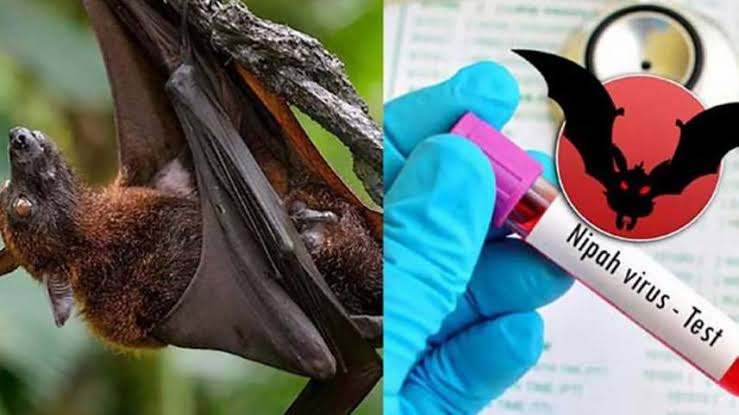
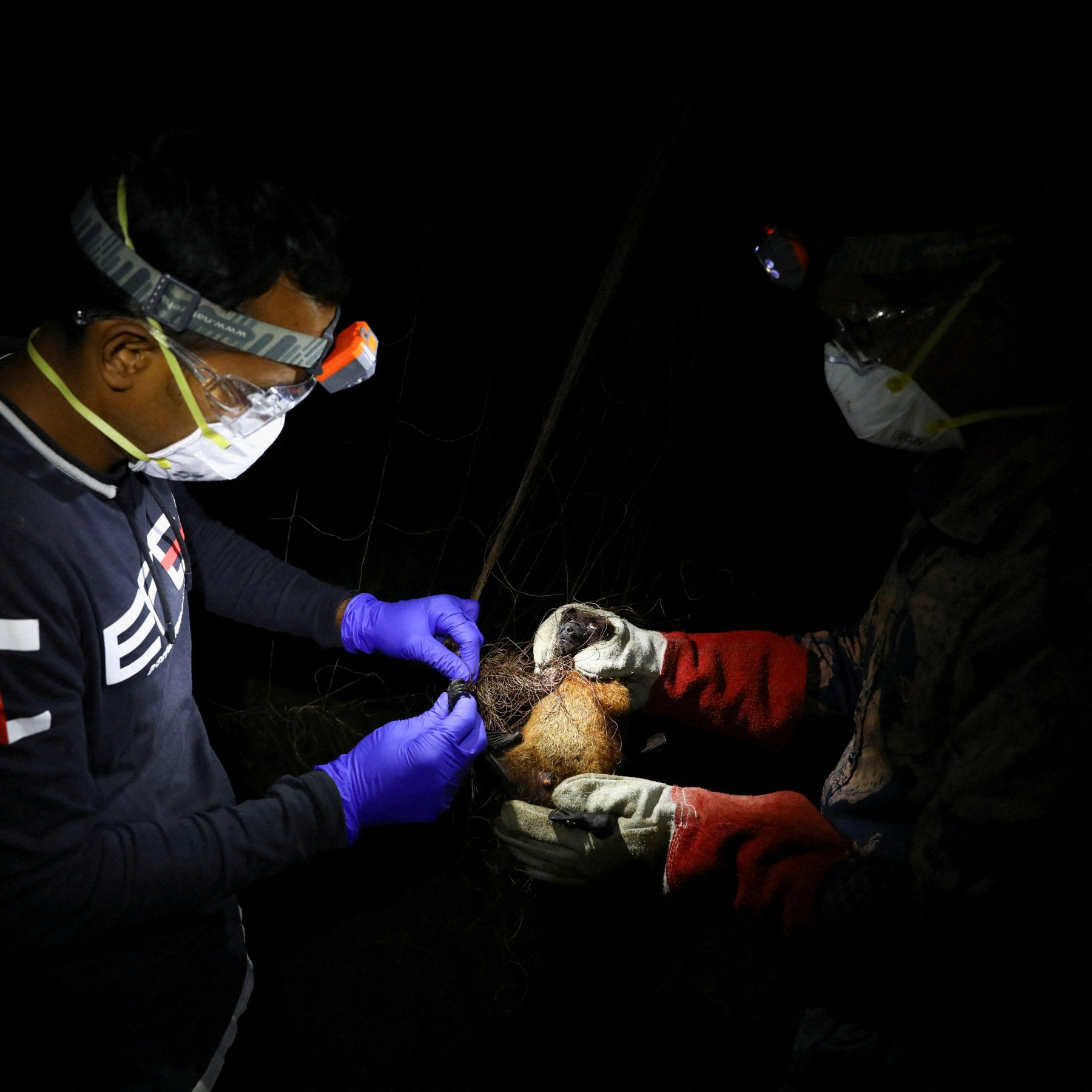
Health officials stated that preliminary investigations indicate the woman had consumed raw date palm sap prior to falling ill. The sap is often contaminated by fruit bats, which are natural carriers of the Nipah virus.
Bangladesh has long struggled with Nipah outbreaks linked to the seasonal consumption of raw date juice, especially in rural areas. The virus is transmitted when bats infect the sap with saliva or urine while feeding on collection pots attached to date palm trees.
Public health campaigns have repeatedly warned against drinking unprocessed sap, recommending boiled or covered sap collection methods to reduce contamination risks.
Nipah Virus in Bangladesh: A Persistent Threat
Bangladesh first detected Nipah virus infections in humans in 2001. Since then, cases have been reported almost every year, typically during the winter months when date palm sap harvesting peaks.
The virus is known for its high fatality rate, often ranging between 40 and 75 percent, according to the World Health Organization (WHO). In 2025 alone, Bangladesh recorded four laboratory-confirmed fatal cases of Nipah virus infection.
Unlike many viral diseases, Nipah virus can also spread through close human-to-human contact, particularly among caregivers and family members, making early detection and isolation critical.
Symptoms and Health Advisory
Nipah virus infection typically begins with flu-like symptoms such as fever, headache, muscle pain, and vomiting. In severe cases, it can cause encephalitis, leading to seizures, altered consciousness, and coma.
Health authorities in Bangladesh have urged citizens to seek immediate medical attention if symptoms appear after consuming raw date palm sap or after close contact with infected individuals.
The government has also intensified surveillance and awareness drives in high-risk districts, advising people to avoid raw sap and maintain strict hygiene practices.
Regional Implications and Vigilance
The confirmed death has also drawn attention in neighboring countries, including India, where health authorities closely monitor Nipah developments due to cross-border public health risks. India has previously reported Nipah outbreaks, particularly in Kerala.
Experts stress that continued public education, early diagnosis, and behavioral changes remain the most effective tools to prevent Nipah virus transmission, as there is currently no specific antiviral treatment or licensed vaccine for the disease.
As Bangladesh navigates another year of Nipah virus vigilance, health officials emphasize that avoiding raw date palm sap remains the single most effective preventive measure.