 Background of the Boycott Threat
The uncertainty surrounding the marquee encounter emerged after the Pakistan government initially instructed its national team not to play against India during the group stage of the multi-nation tournament. Acting on these directions, the PCB invoked the “force majeure” clause, citing government orders as the reason for potential non-participation.
The move raised serious concerns within the ICC, which sought clarity on whether the PCB had exhausted all available avenues to resolve the impasse under the tournament’s Terms of Participation. The governing body subsequently asked the PCB to justify its position and efforts to avoid a standoff.
ICC Officials Step In
In a key development, senior ICC officials Imran Khawaja and Mubashir Usmani arrived in Lahore to hold direct discussions with PCB leadership. The visit signaled the ICC’s intent to find a workable solution and ensure that political issues do not overshadow the integrity of the tournament.
Sources indicated that the talks focused on logistical assurances, diplomatic sensitivities, and the broader implications of cancelling the India vs Pakistan match, which remains the biggest commercial driver of ICC events.
Financial and Tournament Impact
The prospect of the match being called off had alarmed not only the ICC but also Sri Lanka Cricket (SLC), one of the co-hosts of the tournament. SLC formally warned the PCB that the absence of the fixture would result in significant financial losses and negatively impact the tournament’s image in the island nation.
Broadcasters and sponsors, for whom the India-Pakistan rivalry delivers peak viewership, had also expressed concerns behind the scenes. The ICC is understood to have emphasized these commercial realities during its discussions with the PCB.
Pakistan’s Participation Confirmed
While the boycott threat loomed over the India fixture, the Pakistan government had already cleared the national team’s participation in the rest of the T20 World Cup. Pakistan are scheduled to play all their matches in Colombo and Pallekele, beginning with their clash against the Netherlands.
Both India and Pakistan have started their campaigns on a winning note, with India defeating the United States and Pakistan overcoming the Netherlands in their opening matches.
Why the Match Matters
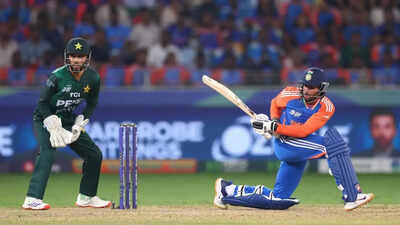
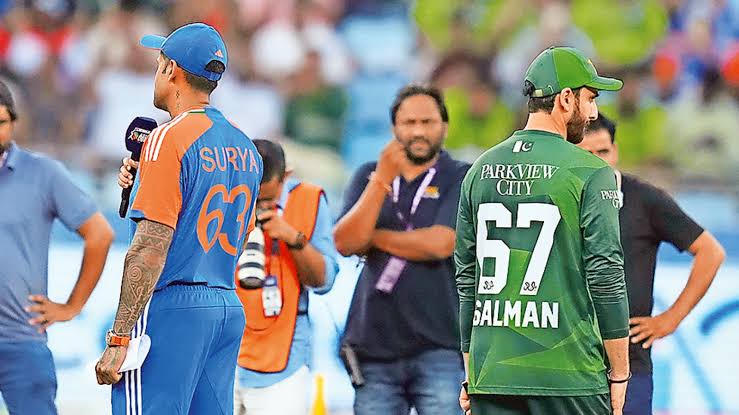
Beyond sporting rivalry, an India vs Pakistan match carries diplomatic, emotional, and commercial significance. It often acts as a litmus test for the ICC’s ability to navigate geopolitical complexities while keeping the sport insulated from external pressures.
With dialogue now progressing positively, cricket fans worldwide can cautiously look forward to the blockbuster encounter that defines global T20 tournaments.