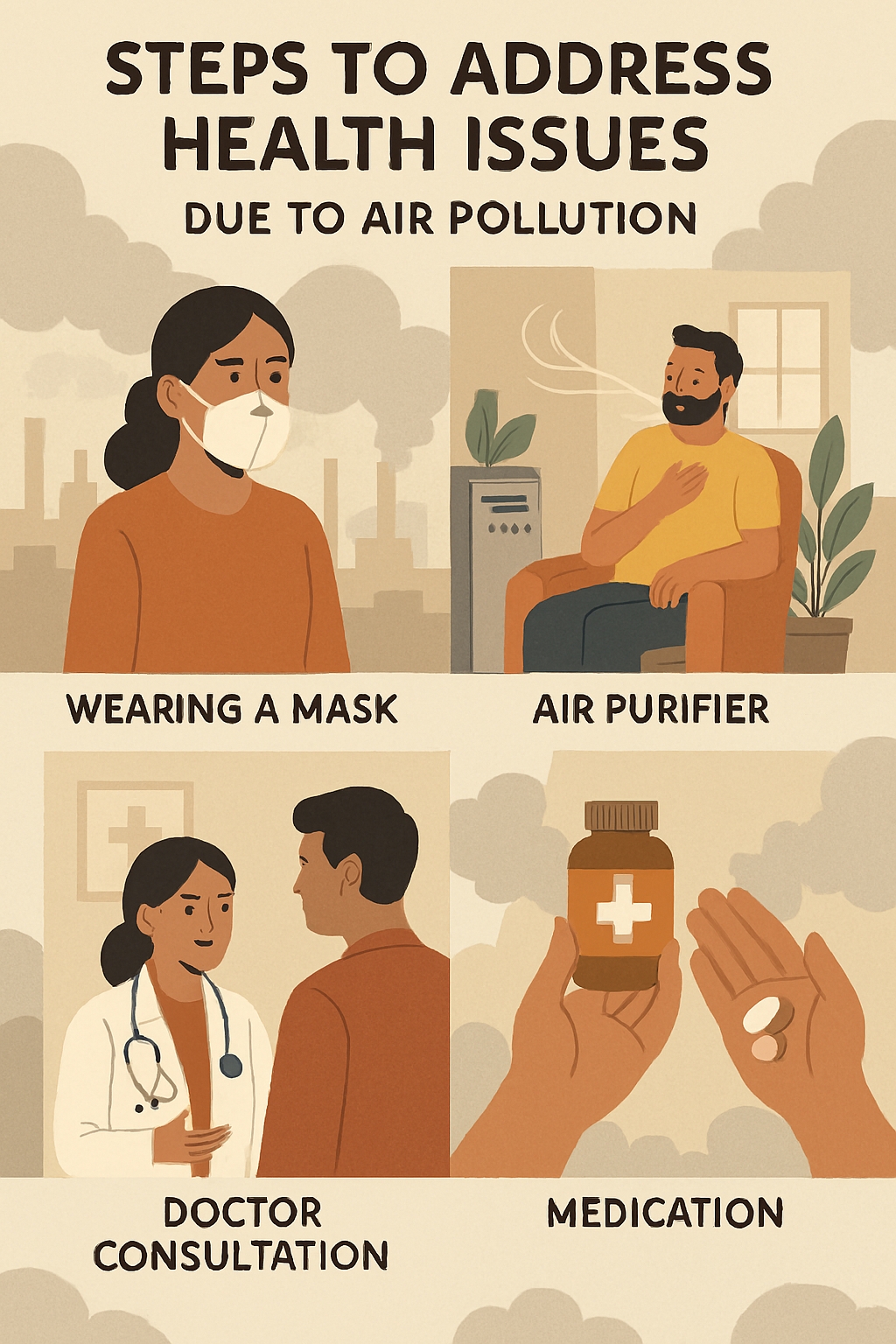
The Government of India has intensified its efforts to address health issues linked to air pollution by combining expert medical guidance, climate-health planning, public awareness campaigns, and clean air initiatives. The Union Ministry of Health and Family Welfare reaffirmed this commitment in Parliament, highlighting a multi-pronged strategy focused on prevention, preparedness, and protection of vulnerable populations.
 Expert Group Formed to Guide Respiratory Health Policy
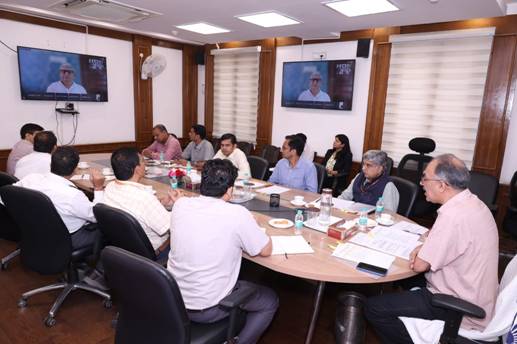
To strengthen evidence-based policymaking, a Technical Expert Group has been constituted under the chairpersonship of the Director General of Health Services. The group is mandated to provide specialised guidance on chronic respiratory diseases, particularly COPD and asthma, which are increasingly reported in urban and industrial regions.
The expert panel will advise the government on clinical protocols, surveillance mechanisms, and public health responses, ensuring that interventions remain scientifically robust and aligned with emerging health trends. Officials said the initiative aims to bridge gaps between environmental data and health system preparedness.
National Programme Links Climate Change and Health
Since 2019, the Ministry has been implementing the National Programme for Climate Change and Human Health (NPCCHH), a flagship initiative designed to address climate-sensitive health risks, including those arising from air pollution. The programme focuses on awareness creation, capacity building, institutional preparedness, and cross-sectoral partnerships.
Under NPCCHH, the Health Adaptation Plan for diseases related to air pollution has been developed to guide states in strengthening health systems at institutional and community levels. All 36 States and Union Territories have prepared State Action Plans on Climate Change and Human Health, each containing a dedicated chapter on air pollution mitigation and health protection strategies.
Public Advisories, Training, and Early Warning Systems
The government regularly issues public health advisories to States and Union Territories, recommending practical measures to reduce exposure during periods of poor air quality. Nationwide awareness campaigns are conducted annually around World Environment Day, the International Day of Clean Air for Blue Skies, and National Pollution Control Day.
Dedicated training modules on air pollution-related illnesses have been developed for programme managers, doctors, nurses, ASHA workers, and frontline staff. Special focus has been placed on vulnerable groups such as women, children, traffic police, and municipal workers who face higher exposure risks.
In addition, early warning alerts and air quality forecasts disseminated by the India Meteorological Department help health authorities and communities prepare timely responses, particularly during severe pollution episodes.
Clean Cooking, Sanitation, and Clean Air Initiatives
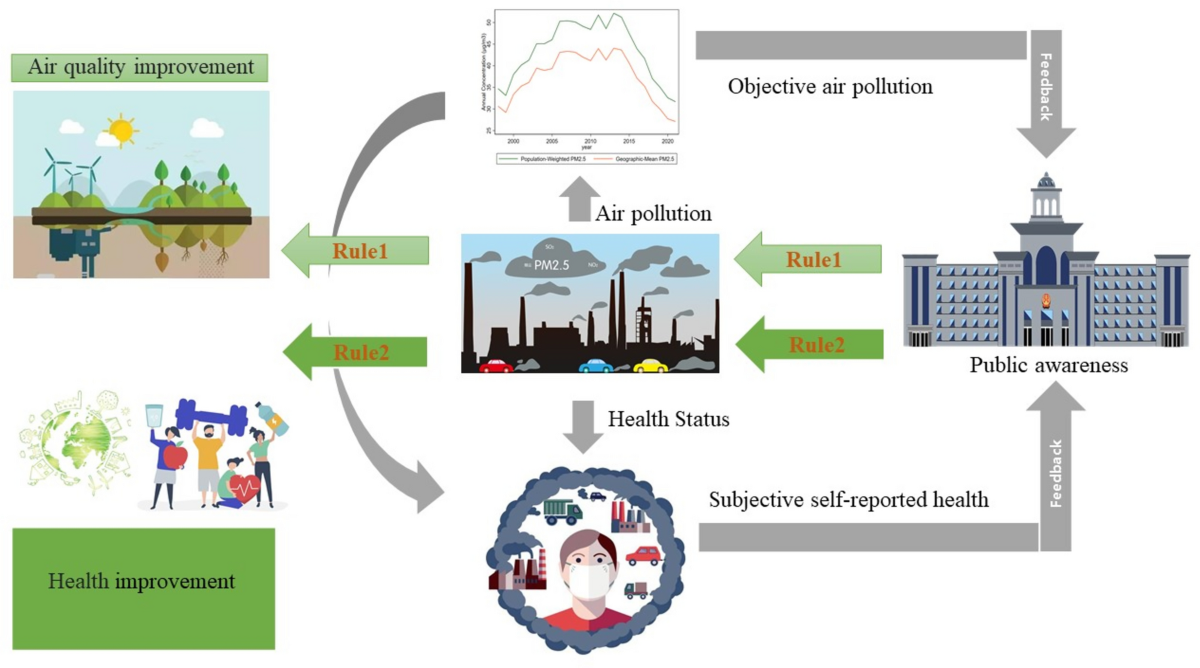
Complementing health-sector measures, the government has implemented broader welfare and environmental programmes to tackle pollution at its source. The Pradhan Mantri Ujjwala Yojana promotes clean cooking fuel by providing LPG connections to women from economically weaker households, significantly reducing indoor air pollution.
The Swachh Bharat Mission, with its emphasis on sanitation, waste management, and “Swachh Hawa,” plays a crucial role in improving ambient air quality. Meanwhile, the Ministry of Environment, Forest and Climate Change’s National Clean Air Programme, launched in 2019, serves as a national strategy to systematically reduce air pollution levels across cities.
According to health officials, coordinated action across ministries remains essential to safeguarding public health while addressing environmental challenges.