 Coordinated Action to Protect Clean Sport
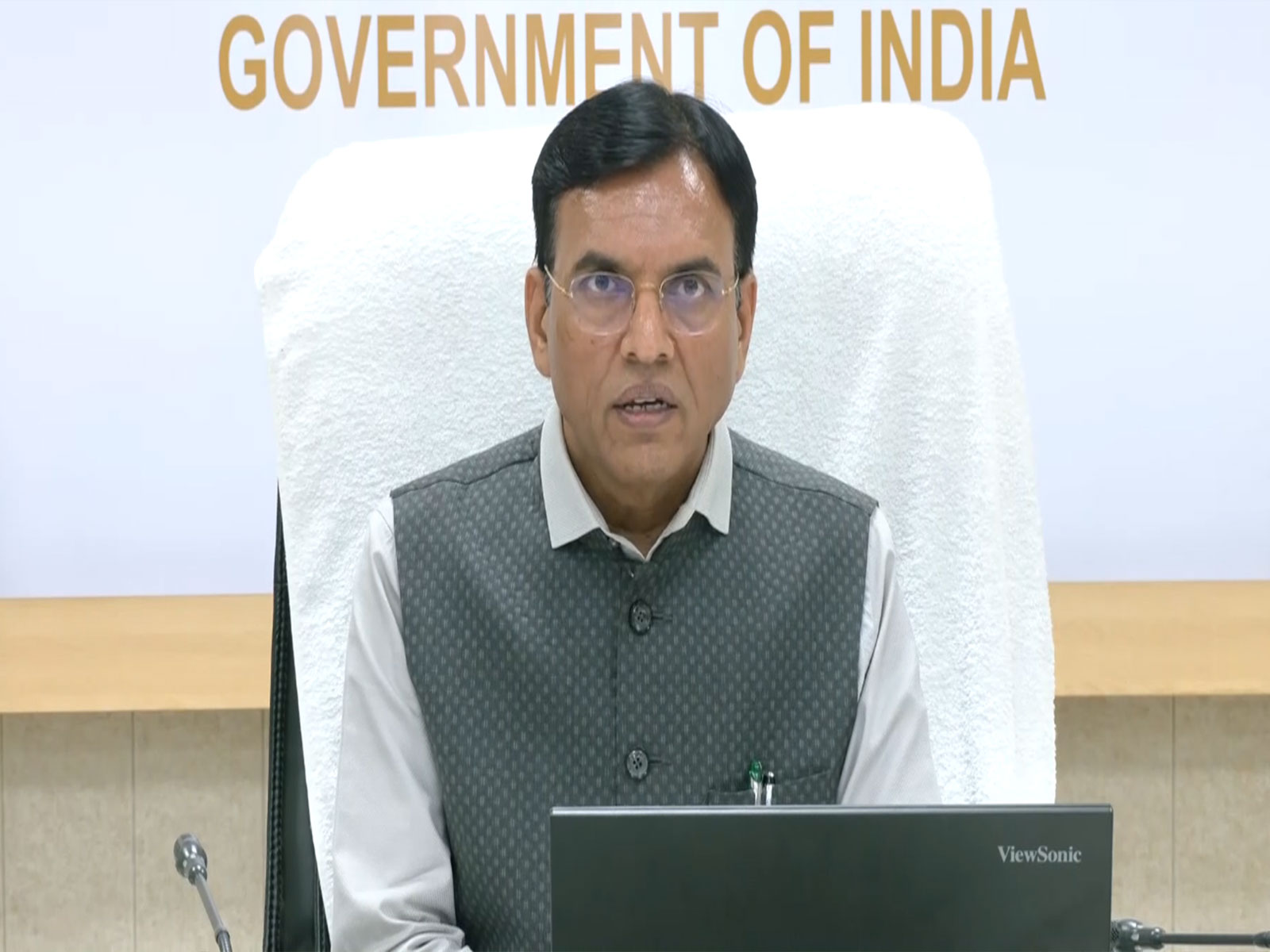
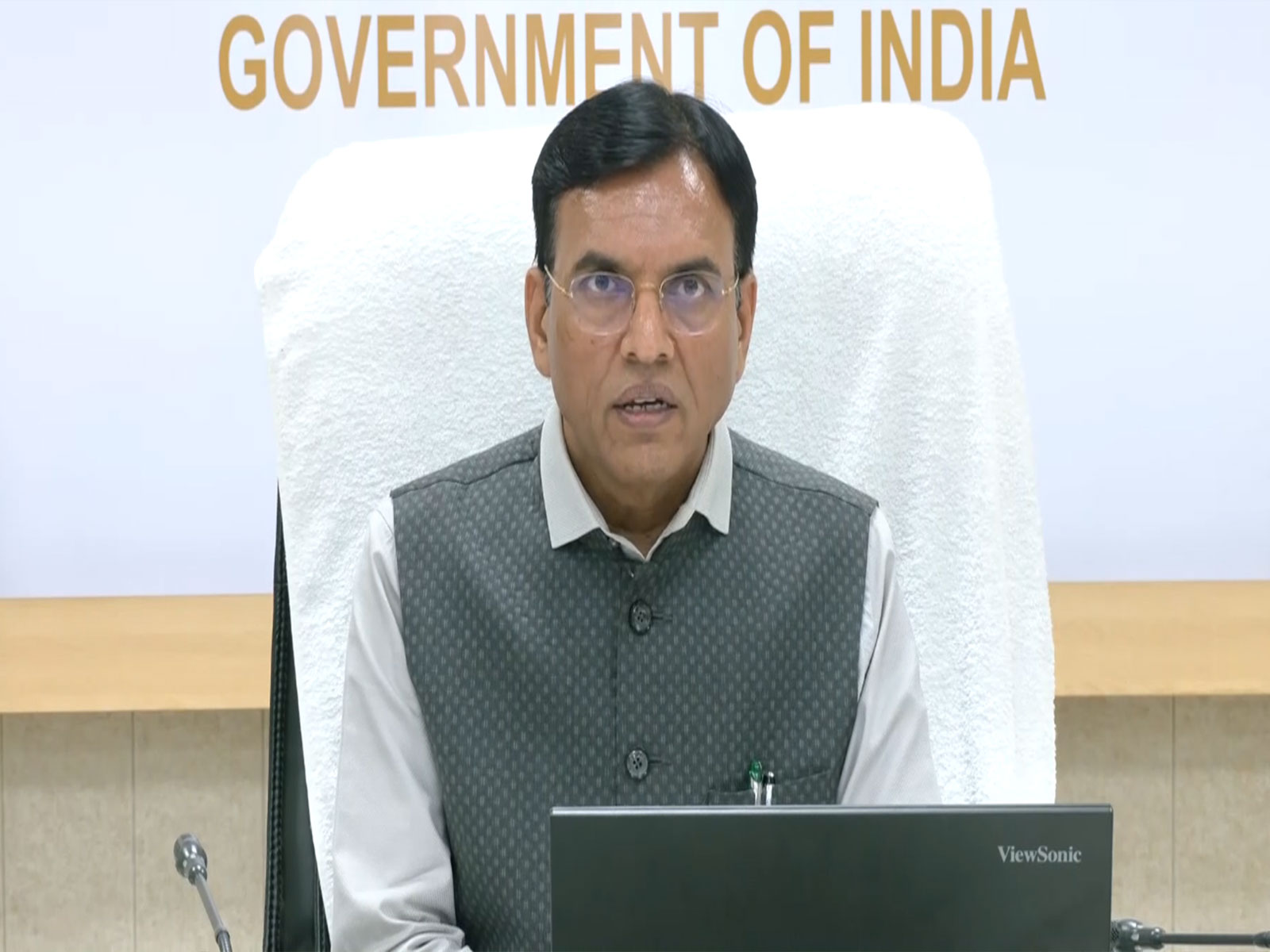
During the meeting, Secretary (Sports) Hari Ranjan Rao conducted a comprehensive review of anti-doping initiatives undertaken by various ministries and agencies. He emphasized the need for coordinated enforcement action to prevent doping at its source.
Rao highlighted that protecting athlete health and preserving the integrity of sport require sustained vigilance, enhanced regulatory oversight and increased awareness among athletes and coaches.
He stressed that India’s anti-doping framework must remain aligned with international standards to safeguard the country’s global sporting reputation.
Emerging Challenges: Supplements and Online Sales
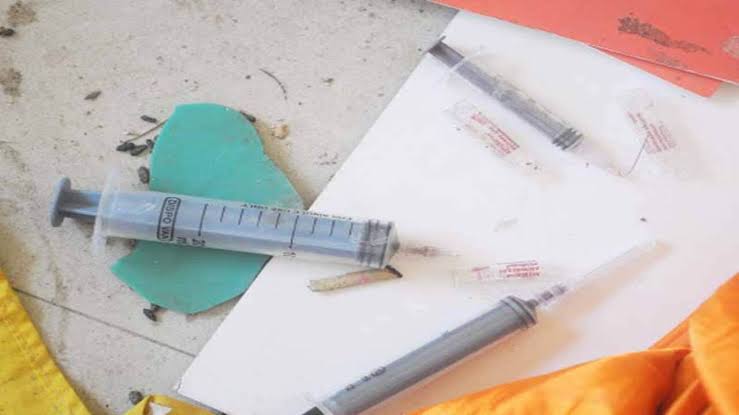
Stakeholders discussed the growing problem of contaminated and mislabelled nutritional supplements, which often expose athletes to inadvertent doping violations. The misuse of prescription medicines and the online sale of prohibited or unapproved substances were also identified as significant concerns.
Officials called for tighter surveillance of e-commerce platforms and stronger action against entities promoting banned substances.
The meeting underlined the importance of enforcing provisions of the Drugs and Cosmetics Act, 1940, particularly regulations governing Schedule H drugs that can be sold only on valid prescriptions.
Stronger Testing and Laboratory Capacity
Participants deliberated on enhancing sample collection, increasing the frequency of testing and evaluating laboratory capacity to meet rising demands. Greater coordination with accredited laboratories was considered essential to maintain credibility and transparency.
In this context, collaboration with the Food Safety and Standards Authority of India (FSSAI) was emphasized to ensure that nutritional supplements undergo rigorous testing and certification.
Strengthened intelligence-sharing mechanisms among enforcement agencies were also proposed to detect and deter doping networks more effectively.
Awareness and Grievance Redressal
Beyond enforcement, the National Compliance Platform highlighted the importance of structured anti-doping awareness programmes for athletes, coaches and support staff. Education campaigns are expected to reduce the risk of unintentional violations.
Officials also discussed establishing accessible grievance redressal mechanisms to address athlete concerns promptly and transparently.
The broader objective, they noted, is to create a culture of clean sport that prioritizes ethics, fairness and athlete welfare.
Whole-of-Government Approach
The meeting saw participation from key ministries and organisations, including the Ministries of External Affairs, Home Affairs and Law & Justice, along with the Central Drugs Standard Control Organisation (CDSCO), the Food Safety and Standards Authority of India (FSSAI), the Narcotics Control Bureau (NCB), the National Anti-Doping Agency (NADA), the Sports Authority of India and the Paralympic Committee of India.
This multi-agency engagement reflects a whole-of-government strategy to curb doping comprehensively from regulating pharmaceutical supply chains to strengthening border enforcement and international cooperation.
Officials reiterated that sustained coordination and information exchange among stakeholders remain critical to addressing evolving doping threats.
Safeguarding India’s Sporting Integrity
The fourth meeting of the National Compliance Platform reaffirmed the government’s commitment to promoting clean sport and protecting athlete health.
By integrating regulatory vigilance, technological tools and awareness initiatives, the Ministry of Youth Affairs & Sports aims to create a robust anti-doping ecosystem.